
Tackling Food Waste at Whole Foods
Reducing Waste Through Donation
Whole Foods, a leading US grocery chain, has faced scrutiny over its handling of unsold food products. The issue has gained attention in recent years due to social media. In 2026, the company's approach to reducing food waste was under the spotlight.
Latest news
 Costco's Frozen Dumpling Lineup, Ranked From Least To Most Tasty
 Best stainless-steel frying pans 2026: expert-tested picks for searing, eggs and daily cooking
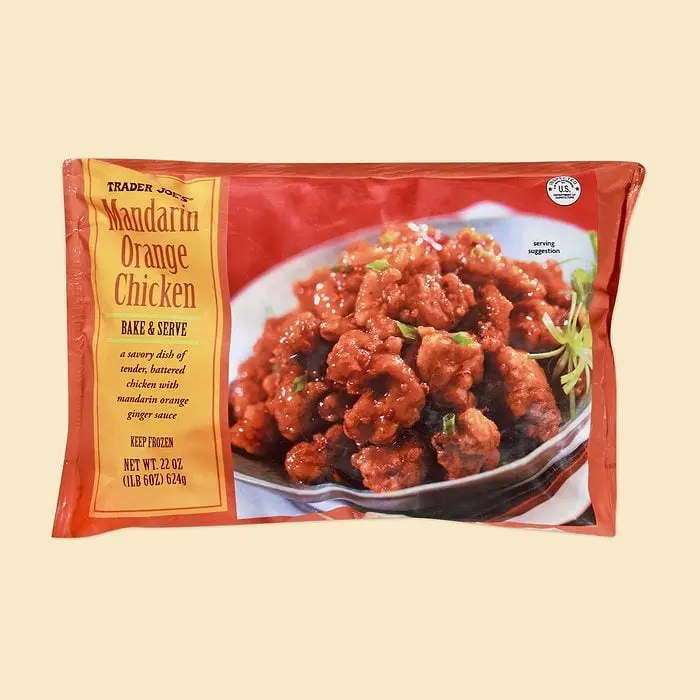 Trader Joe’s First‑Time Shopper Guide: Must‑Try Items
 Panda Express vs P.F. Chang's: Which Orange Chicken Is Healthier?
The grocery chain has been working to minimize its environmental footprint by implementing various strategies to reduce waste. Whole Foods' efforts to address food waste involve donating unsold products to those in need and composting items that are no longer suitable for consumption.
Can Grocery Stores Really Make a Difference?
Whole Foods donates a significant portion of its unsold food to local food banks and other organizations that help feed the hungry. This not only reduces waste but also supports the local community. The company has partnerships with various organizations to ensure that surplus food is distributed effectively.
The company's food donation program is part of a broader effort to reduce waste across its operations. By working with suppliers and implementing efficient inventory management systems, Whole Foods aims to minimize the amount of food that goes to waste.
Grocery stores like Whole Foods play a significant role in reducing food waste, given the large quantities of products they handle. By adopting sustainable practices, such as donating unsold food and composting, these retailers can make a substantial impact. The success of such initiatives depends on effective partnerships with suppliers, charities, and local communities.
Frequently Asked Questions
As consumers become increasingly environmentally conscious, companies like Whole Foods are under pressure to demonstrate their commitment to sustainability. The outcome of these efforts will be crucial in shaping the future of the retail industry.
What happens to unsold food at Whole Foods? Whole Foods donates unsold food to local food banks and composts items that are no longer edible. How does Whole Foods reduce food waste? The company implements efficient inventory management and donates surplus food to those in need. What impact can grocery stores have on food waste? Grocery stores can significantly reduce food waste by adopting sustainable practices, such as donation and composting programs.
Content written by Henry Cross for fancy-meals.com editorial team, AI-assisted.