Is Bringing Your Own Salt to a Restaurant Finally Acceptable?
The Etiquette of Personal Condiments
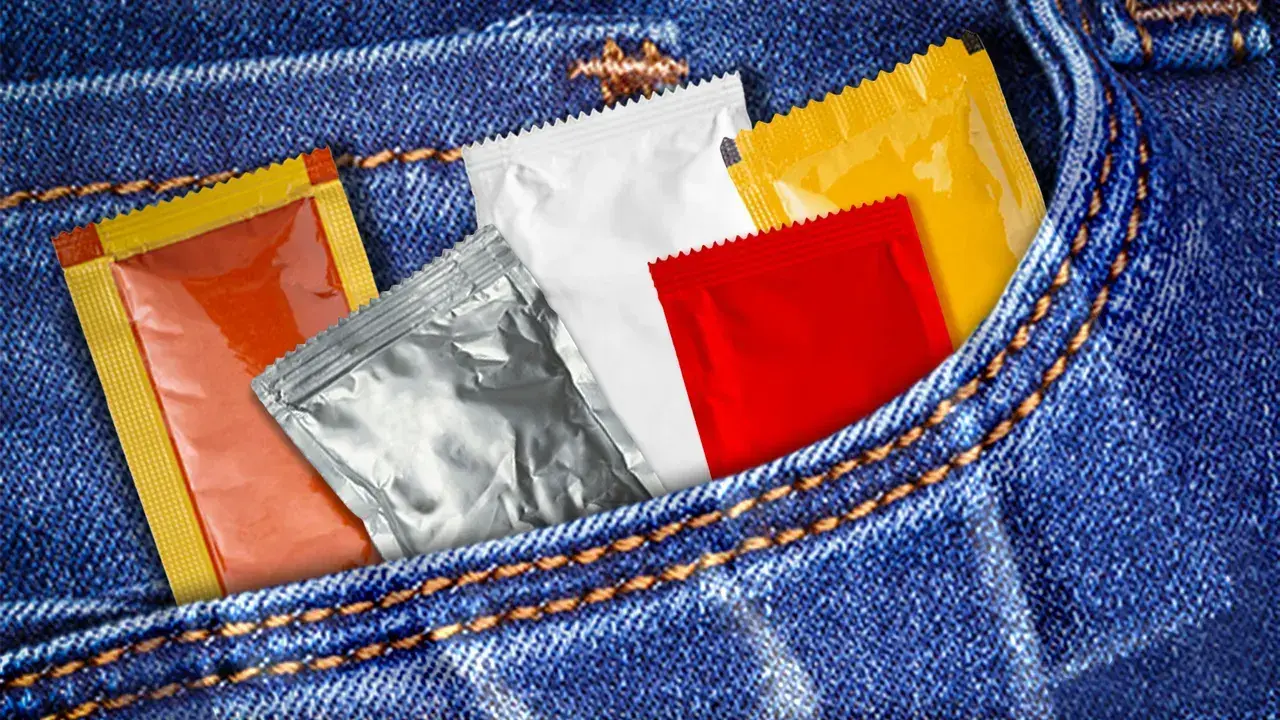
A growing number of diners now carry personal condiment kits into restaurants, challenging traditional dining etiquette. This trend involves bringing items like sea salt, hot sauce, or specific spices to customize meals. The practice has become noticeably more common in recent months. Food culture experts are debating whether this behavior signals a shift in expectations. Many patrons feel comfortable doing so without hesitation.
Latest news
 Costco's Frozen Dumpling Lineup, Ranked From Least To Most Tasty
 Best stainless-steel frying pans 2026: expert-tested picks for searing, eggs and daily cooking
 Trader Joe’s First‑Time Shopper Guide: Must‑Try Items
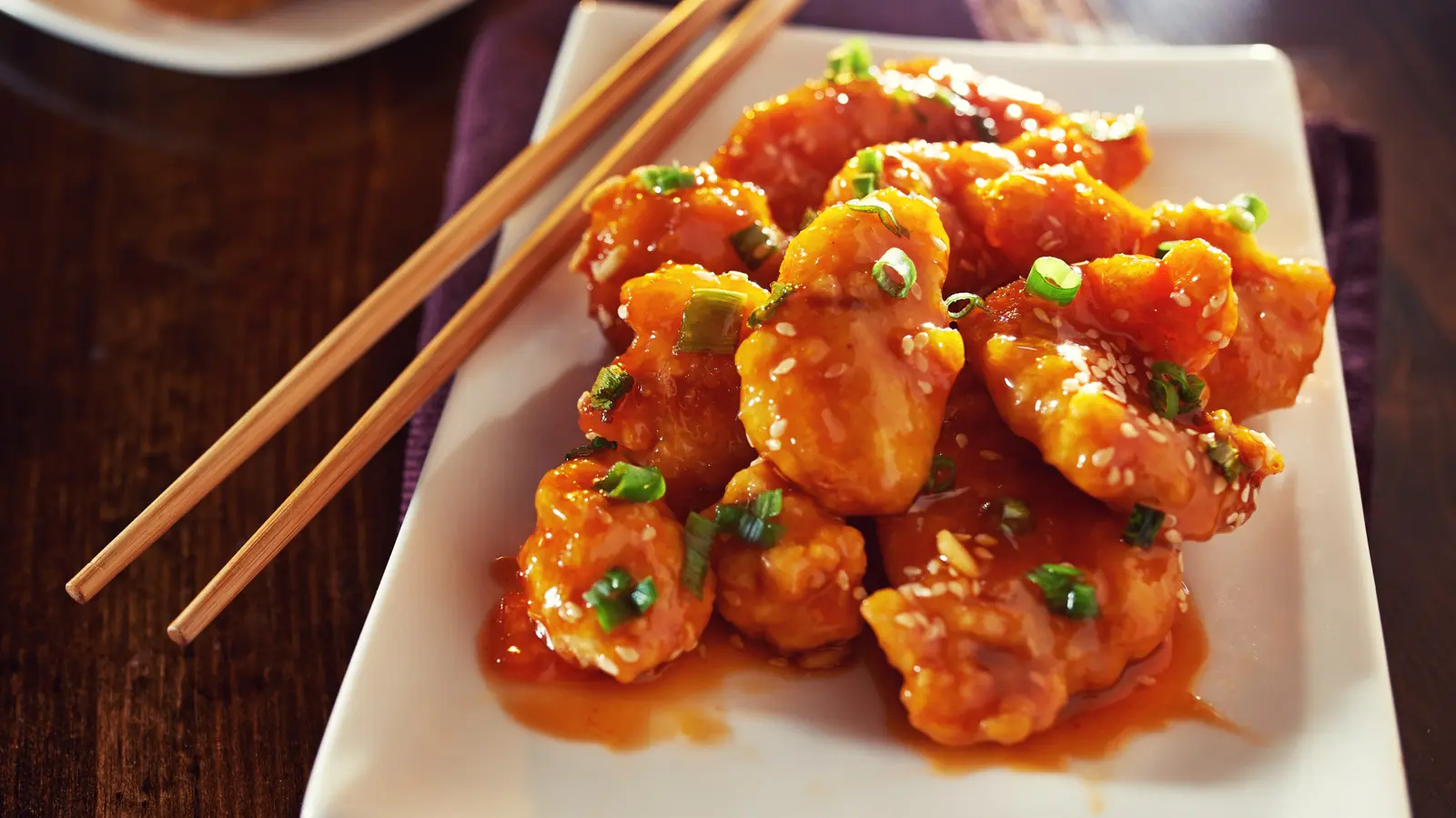 Panda Express vs P.F. Chang's: Which Orange Chicken Is Healthier?
Restaurants often provide standard condiments, but individual preferences vary widely. Some diners seek specific flavors that house brands do not offer. Others have dietary restrictions requiring particular seasonings. The act of unpacking a small container at the table can feel intrusive to some observers. However, many chefs acknowledge that taste is subjective. Personal seasoning allows guests to control the final flavor profile of their dish. This autonomy appeals to those who find standard restaurant seasoning too bland or too strong.
Social norms around bringing outside food items remain fluid. Most etiquette guides suggest asking staff before placing personal items on the table. This simple courtesy prevents awkwardness for both diners and servers. A dedicated condiment kit should be neat and organized. Messy packets or leaking bottles create a negative impression. The goal is to enhance the meal, not disrupt service. Many high-end establishments welcome guests who know exactly what they want. Conversely, casual eateries may view the extra effort as unnecessary. Context matters significantly when deciding whether to bring your own stash.
Does It Burden the Staff?
Diners often cite specific reasons for carrying these items. Sea salt is popular among steak lovers who prefer flaky crystals over granular options. Hot sauce enthusiasts might travel with a favorite brand unavailable locally. Some individuals bring their own olive oil for salads or pasta dishes. These choices reflect a desire for consistency across different dining experiences. It ensures the meal meets personal standards regardless of location. The trend highlights a broader movement toward customization in food service.
Servers generally appreciate clear communication about special requests. If a diner brings their own seasoning, staff should be informed. This allows servers to manage table space and avoid confusion. It prevents the assumption that house condiments are sufficient. A polite note to the server minimizes potential friction. Most hospitality professionals understand that guests have diverse palates. They rarely mind the extra item if handled respectfully. The key lies in presentation and timing. Unpacking a large collection mid-meal can distract from the dining experience. Keeping the process quick and discreet maintains the flow of service.
Frequently Asked Questions
The future of dining etiquette will likely continue to evolve. As personalization becomes a standard expectation, restaurants may adapt. Some might offer more variety in condiment stations to reduce the need for outside items. Others may explicitly welcome guest-brought seasonings to enhance satisfaction. For now, the decision rests on individual comfort levels. Diners must weigh their preference against social perception. The trend suggests that rigid rules are giving way to flexible norms. Ultimately, the goal remains a positive experience for everyone involved.
Should I ask permission before using my own salt? Yes, it is polite to inform your server. This ensures they are aware of your needs and can accommodate you properly.
Is it rude to bring multiple condiments? It depends on the setting. In casual environments, it is usually fine. In formal dining, keep it minimal and ask first.
Content written by Isabelle Fontaine for fancy-meals.com editorial team, AI-assisted.