How To Make Your Salad Restaurant-Style With Pantry Staples
Fresh herbs, dried fruits, or even a spoonful of jam can introduce unexpected
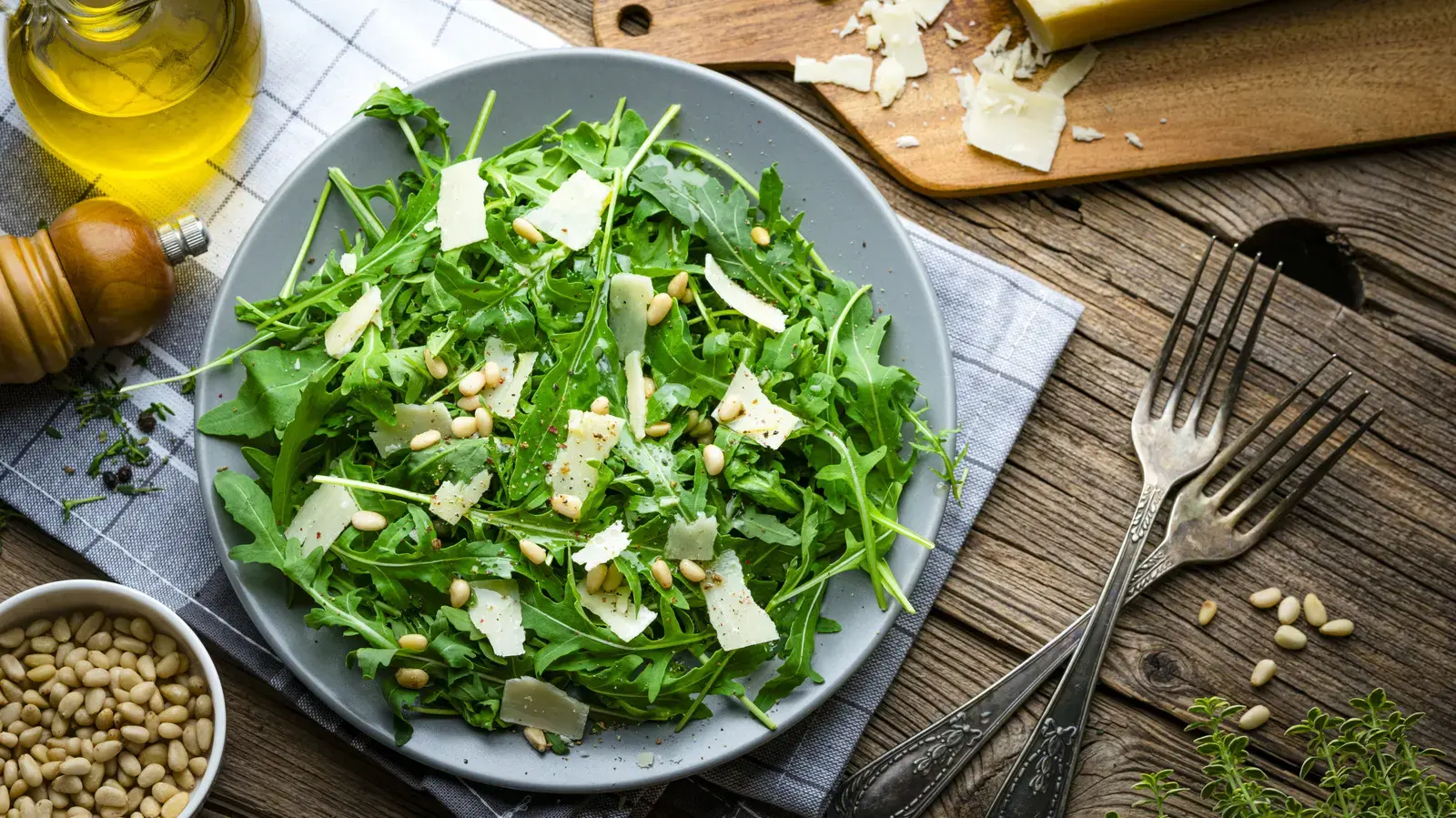
Creating a restaurant-quality salad at home is simpler than many believe, using only basic pantry ingredients. With thoughtful combinations of oil, acid, salt, and crunch, anyone can elevate a simple bowl of greens into a dish that rivals those served in upscale eateries. This approach focuses on balance and texture rather than expensive or hard-to-find components. The foundation lies in dressing: a classic vinaigrette made from olive oil, vinegar or lemon juice, Dijon mustard, a touch of honey or sugar, and seasonings. Whisking these together creates an emulsion that coats leaves evenly without sogginess. Adding depth comes from ingredients like toasted nuts, seeds, or croutons made from stale bread—transforming leftovers into satisfying crunch.
Latest news
 The Ultimate Homemade Chili Recipe for Cold Weather
 The Nutritional Power of Pumpkin Beyond Seasonal Desserts
 A Culinary Journey Through the 30th Epcot International Food and Wine Festival
 Burger King Unleashes Hello Kitty Kids' Meal with Ultra-Rare Golden Collectible
Fresh herbs, dried fruits, or even a spoonful of jam can introduce unexpected sweetness or brightness. Building Layers of Flavor and Texture Start with sturdy greens like romaine or kale, which hold up better to dressing than delicate varieties. Massaging tougher leaves with a bit of oil and salt softens them while enhancing flavor. Incorporate contrasting elements: something creamy (like avocado or cheese), something tangy (pickled vegetables or capers), and something salty (olives or anchovies). Each component should be distinct yet harmonious, ensuring every bite offers variety. Toasting spices such as cumin or coriander in a dry pan before adding them to the dressing unlocks deeper aroma. A final sprinkle of flaky sea salt or cracked pepper just before serving adds a finishing touch that mimics restaurant technique.
The key is tasting as you go—adjusting acidity, sweetness, and salt until the
The key is tasting as you go—adjusting acidity, sweetness, and salt until the dressing sings. What If You Don’t Have Fresh Produce? Even without garden-fresh vegetables, pantry staples can shine. Roasted or grilled canned beans, marinated artichoke hearts, or sun-dried tomatoes bring richness and umami. Quick-pickled onions made with vinegar, sugar, and salt take minutes to prepare and add zing. Leftover grains like quinoa or farro turn a side salad into a hearty meal. The goal is not perfection but creativity—using what’s on hand to create something thoughtful and delicious. These methods prove that great salad doesn’t require a trip to the market or a specialty store. By focusing on technique and balance, home cooks can consistently craft vibrant, satisfying dishes that feel indulgent yet are rooted in simplicity.
Over time, this mindset shifts salad from an afterthought to a centerpiece of everyday eating. Frequently Asked Questions What’s the best oil to use for homemade dressing? Extra-virgin olive oil works well for most vinaigrettes due to its fruity flavor, but neutral oils like grapeseed or avocado oil are better when you want other ingredients to shine. For Asian-inspired dressings, sesame oil adds depth in small amounts. How do I keep greens crisp after dressing? Dress the salad just before serving, or keep dressing on the side and toss lightly when ready to eat. Storing washed greens in a container with a dry paper towel helps absorb moisture and prolongs crispness. Can I make dressing ahead of time? Yes, most vinaigrettes improve after sitting for 30 minutes as flavors meld.
Store in a sealed jar in the refrigerator for up to a week—bring to room temperature and shake well before using.
Content written by Victoria Lane for fancy-meals.com editorial team, AI-assisted.