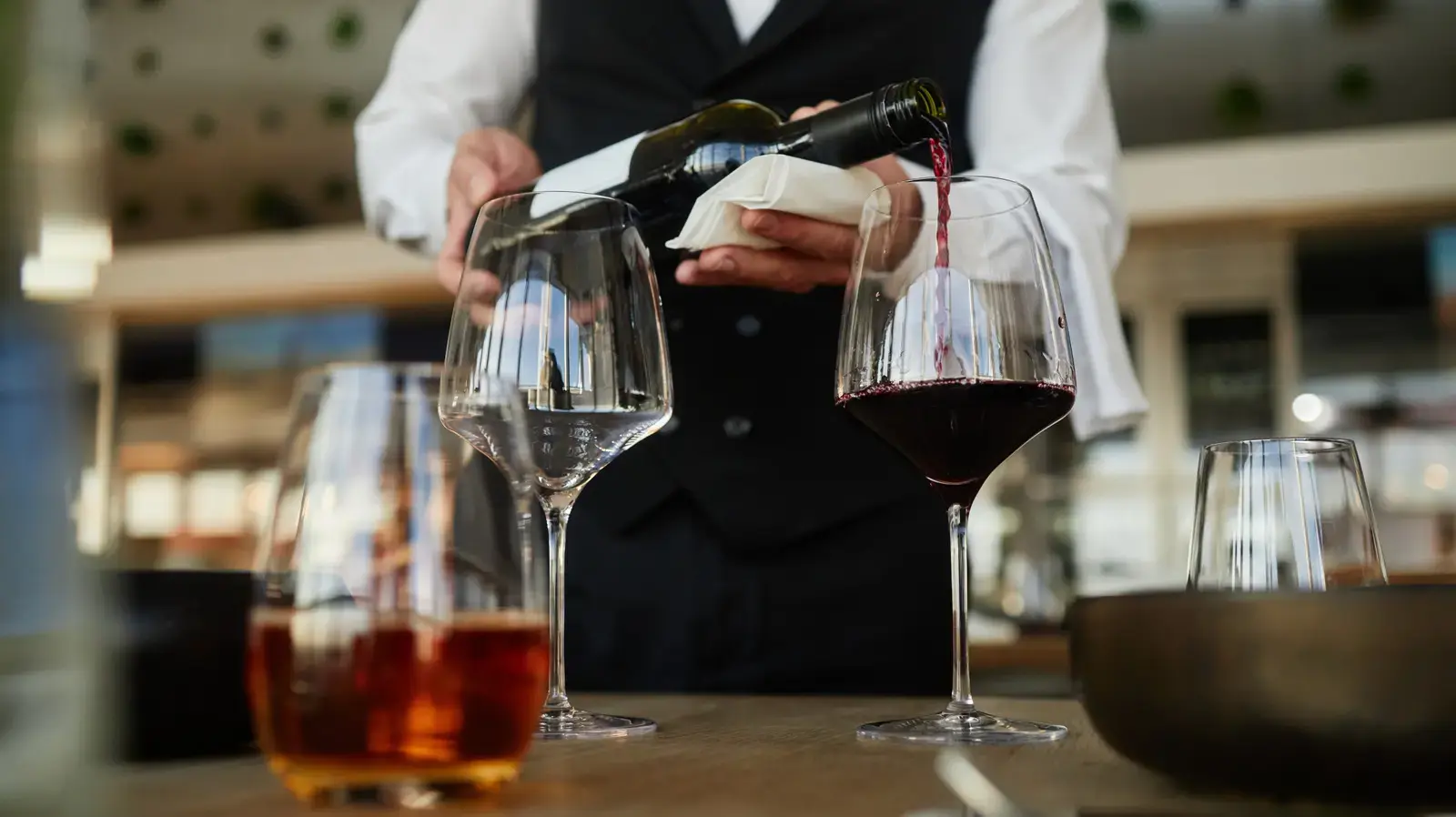
Key Wine Pairing Rule to Elevate Your Restaurant Experience
The Science Behind Harmonizing Wine and Food Flavors
Understanding the right wine pairing can transform a meal into a memorable culinary journey. Autumn Swiers explores this concept in her article published September 13, 2026, highlighting how thoughtful wine choices enhance dining experiences at restaurants.
Latest news
 Prosciutto Elevates the Classic Grilled Cheese Sandwich
 Costco Frozen Shrimp Rivals Steakhouse Appetizers
 Skip Store‑Shelf German Chocolate for This Rich Duncan Hines Cake Mix
 Severed Sun: A Blood-Red Bourbon Halloween Cocktail
The core principle revolves around balancing the wine’s characteristics with the dish’s flavors. Wine experts emphasize that acidity, tannins, and sweetness should complement, not clash with, the food’s dominant notes. For example, a rich, fatty dish requires a wine with high acidity to cleanse the palate, while delicate flavors call for lighter, less tannic options.
Wine pairing relies on sensory science. Acidity in wine, like in a crisp Sauvignon Blanc, cuts through creamy textures, making each bite feel lighter. Tannins in red wines, such as Cabernet Sauvignon, enhance the perception of protein and fat in meats. Sweet wines balance spicy dishes by countering heat, while similar flavor profiles in wine and food create a seamless transition between courses.
How to Apply This Rule When Ordering Wine?
Restaurants often design menus with these principles in mind. A chef might pair a grilled salmon with a buttery Chardonnay, knowing the wine’s oak and fruit notes echo the dish’s richness. Conversely, a simple salad with vinaigrette pairs best with a light, mineral-driven Pinot Grigio to avoid overwhelming the freshness.
When selecting a wine, consider the dish’s primary flavors and cooking method. Avoid pairing heavy, tannic reds with delicate fish or light whites with robust, grilled meats. Instead, match intensity levels: a bold pasta dish pairs with a full-bodied red, while a seafood stew complements a crisp white. If unsure, ask the sommelier for a recommendation based on the meal’s components.
The rule also suggests avoiding overly complex wines with simple dishes. A basic pasta primavera doesn’t need a wine with intricate tannins or heavy oak. Simplicity in pairing allows both wine and food to shine without competing for attention.
Why is wine pairing important? Proper pairing enhances flavors, creating a balanced and satisfying dining experience. It allows each element to highlight the other’s best qualities.
Frequently Asked Questions
What if I prefer a different wine than suggested? Personal preference matters. While guidelines exist, choosing a wine you enjoy ensures a pleasant experience. Communication with staff can help find a compromise that works for both the dish and your taste.
Can wine pairing work with non-meat dishes? Absolutely. Vegetarian and vegan dishes benefit from pairing as well. For example, a creamy risotto pairs well with a buttery Chardonnay, while grilled vegetables complement a medium-bodied Merlot.
This rule transforms casual dining into an artful experience, encouraging mindful choices that elevate every bite and sip.
Content written by Lucas Carter for fancy-meals.com editorial team, AI-assisted.