
Your Potato Salad Gets a Creamy Twist with Cottage Cheese
Why Cottage Cheese Works Better Than Mayo
A new trend is reshaping the classic potato salad, replacing traditional mayonnaise with cottage cheese for a lighter, fresher taste. Food bloggers and home cooks are sharing recipes that swap out half or all of the mayo for this dairy staple, citing improved texture and flavor. The change has gained traction on social media platforms, where users post photos of vibrant, creamy salads that look both appetizing and healthier.
Latest news
 Moe's Southwest Grill Menu Items Ranked from Worst to Best
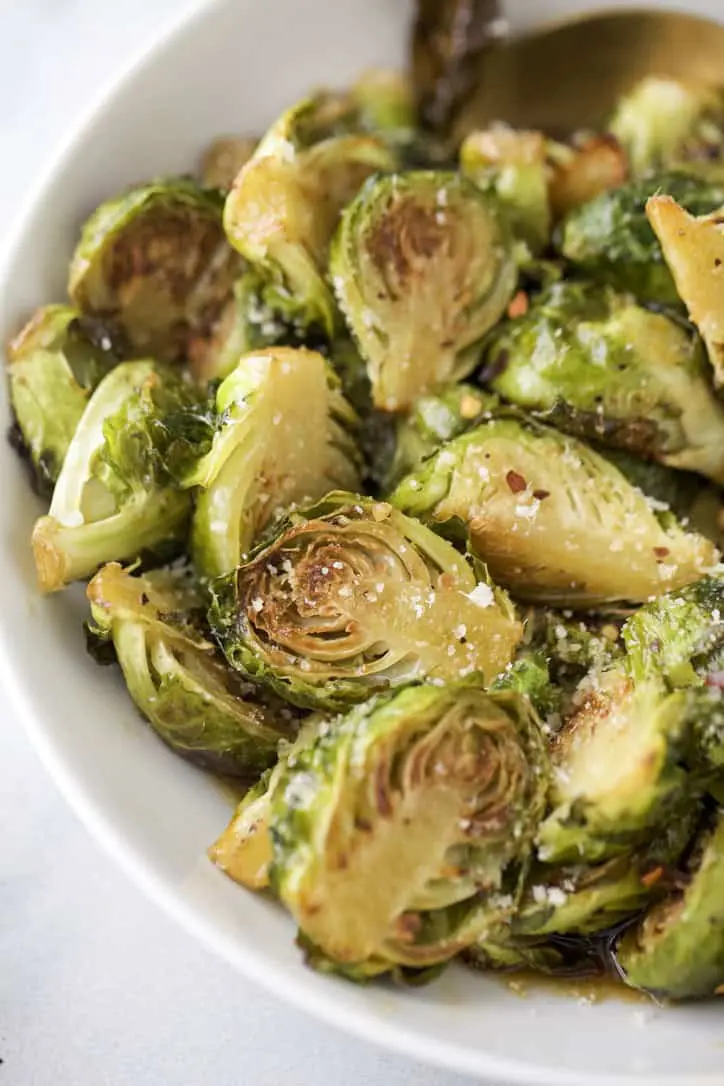 Hot Honey Brussels Sprouts: A Sweet‑Spicy Side That Turns Heads
 Turn Your Pasta Sauce Into a Nutritional Powerhouse
 West Coast IPAs vs East Coast IPAs: A Flavor Battle Across the United States
The shift began when a popular cooking forum posted a recipe that used cottage cheese as the base. The idea was simple: cottage cheese’s mild tang and creamy consistency could mimic mayo while cutting calories and adding protein. The recipe quickly went viral, prompting chefs to experiment with variations that include Greek yogurt, avocado, or a mix of both. Many reviewers note that cottage cheese reduces the heaviness of traditional potato salad and gives the dish a lighter mouthfeel.
Cottage cheese’s curd structure creates a silky texture that coats each potato cube without making the salad feel greasy. Its natural acidity balances the sweetness of onions and the saltiness of pickles, enhancing overall flavor. Nutritionists point out that cottage cheese contains about 12 grams of protein per cup, compared to 0 grams in mayo, and offers fewer calories and less saturated fat. This makes the salad a more nutritious option for those watching their intake. Additionally, the curds hold together well during mixing, preventing the salad from becoming watery—a common complaint with low‑fat dressings.
Can You Use Any Dairy? What About Lactose‑Free Options?
Many home cooks report that the cottage cheese version is easier to prepare. It requires less whisking, as the curds naturally blend with the other ingredients. The result is a salad that looks creamy yet feels light on the palate. Some variations include a splash of lemon juice or a pinch of dill to add brightness, while others fold in chopped hard‑boiled eggs for extra richness. The versatility of cottage cheese allows it to pair well with both traditional and modern flavor profiles.
Yes, dairy alternatives can be used, but the texture may differ. Lactose‑free cottage cheese offers the same protein content while avoiding dairy sensitivity. Non‑dairy options like tofu or vegan ricotta can mimic the curd texture, but they may not provide the same tangy flavor. Some chefs recommend blending a dairy‑free yogurt with a small amount of plant‑based milk to achieve a smoother consistency. However, the classic cottage cheese remains the most reliable substitute for achieving the desired creamy yet airy mouthfeel.
The trend is not limited to backyard barbecues. Restaurants are incorporating the cottage‑cheese potato salad into their seasonal menus, citing customer demand for lighter, healthier options. Food writers note that the dish’s popularity may grow as consumers become more health‑conscious and open to experimenting with traditional recipes.
What Happens When You Switch to Cottage Cheese?
Switching to cottage cheese can lower the calorie count by up to 30 percent, while boosting protein intake. The salad’s shelf life may be slightly shorter because dairy products can spoil faster than mayo, so it is best served within a day of preparation. Despite this, many diners appreciate the fresh taste and improved texture. As the trend spreads, grocery stores are beginning to stock specialty cottage cheeses labeled „low‑fat” or „high‑protein,” making it easier for consumers to try the new recipe.
In the long term, this shift could influence how other classic dishes are adapted. The cottage‑cheese potato salad demonstrates that a simple ingredient swap can transform a familiar comfort food into a healthier, equally satisfying option.
Frequently Asked Questions
Is cottage cheese safe for people with dairy allergies? Cottage cheese is a dairy product, so it is not suitable for those with severe lactose intolerance or a cow’s milk allergy. Lactose‑free varieties can be a better choice for those with mild sensitivity.
Can I use Greek yogurt instead of cottage cheese? Greek yogurt offers a similar creamy texture and high protein, but it is thinner and may require thickening with a small amount of milk or a binder like mustard to match the consistency of cottage cheese.
How long does the cottage‑cheese potato salad stay fresh? Store it in an airtight container in the refrigerator and consume within 24 hours for optimal taste and safety. Refrigeration slows bacterial growth but does not prevent spoilage indefinitely.
Content written by [email protected] (Fernanda Arnaud) for fancy-meals.com editorial team, AI-assisted.