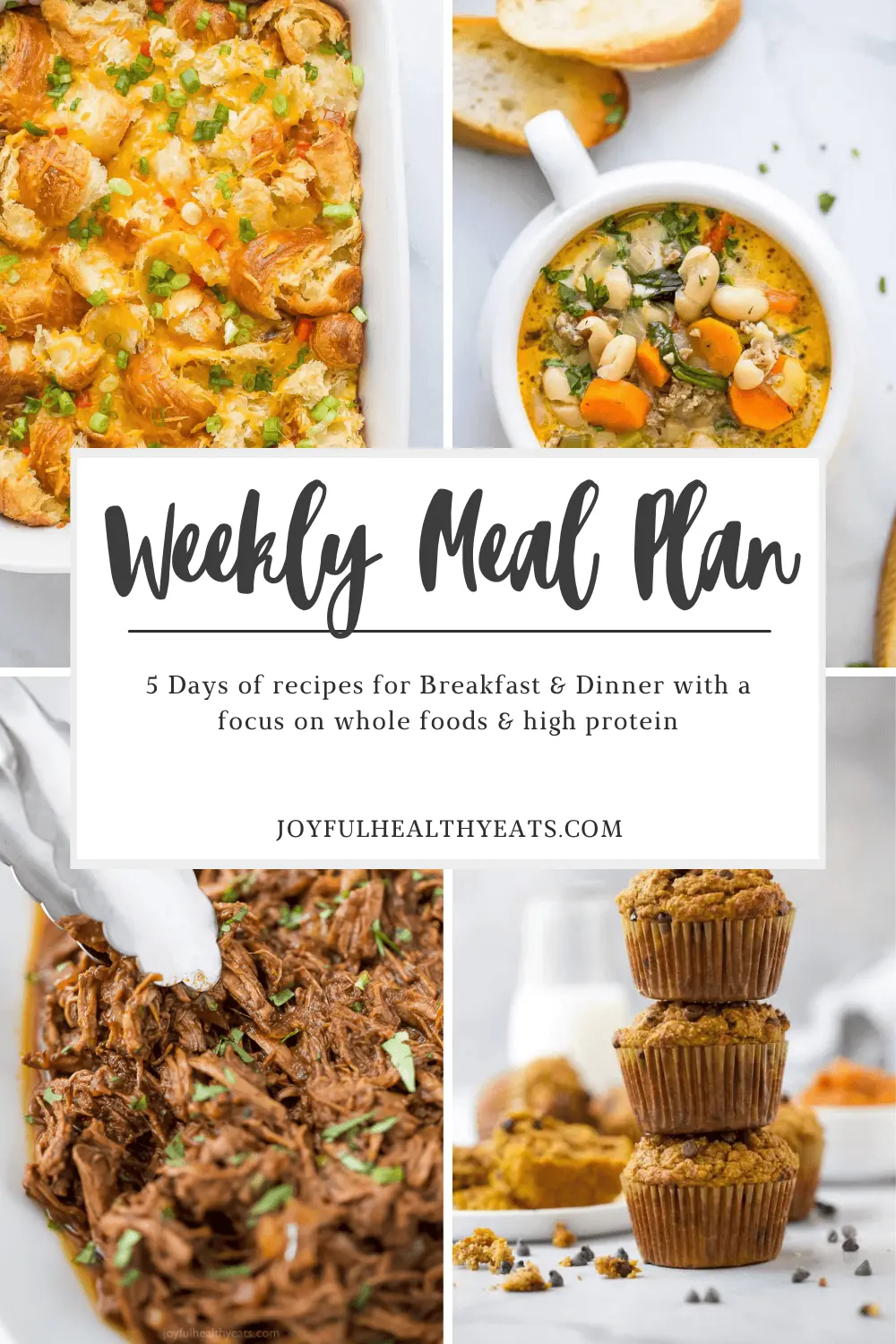
Weekly Meal Plan #39 Offers Five Days of Simple High-Protein Breakfasts and Dinners
How Does This Plan Support Daily Protein Needs Without Complexity?
A new weekly meal plan released on October 3, 2026, provides five days of easy-to-prepare breakfast and dinner recipes using real, wholesome ingredients with a focus on high protein content. Designed for home cooks seeking nutritious meals without complicated steps, the plan emphasizes whole foods and balanced nutrition. Created by Krista, the plan is structured to support healthy eating habits through accessible, ingredient-driven recipes. It avoids processed components and prioritizes simplicity for busy schedules.
Latest news
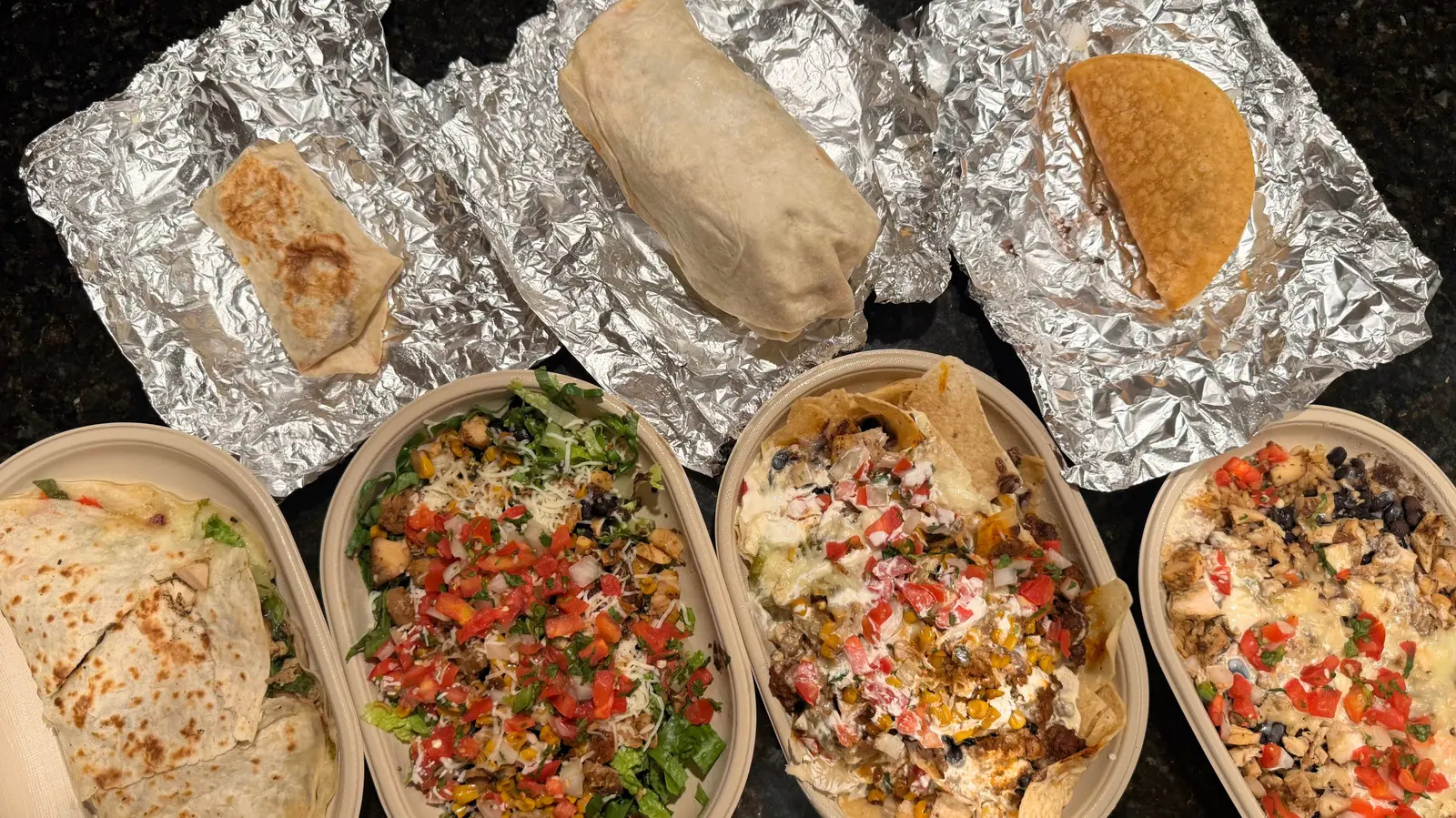 Moe's Southwest Grill Menu Items Ranked from Worst to Best
 Hot Honey Brussels Sprouts: A Sweet‑Spicy Side That Turns Heads
 Turn Your Pasta Sauce Into a Nutritional Powerhouse
 West Coast IPAs vs East Coast IPAs: A Flavor Battle Across the United States
The meal plan includes detailed instructions for each day, featuring breakfast options like egg-based dishes, Greek yogurt bowls, and protein smoothies, alongside dinners centered on lean proteins such as chicken, fish, and legumes paired with vegetables and whole grains. Each recipe is crafted to deliver sustained energy and satiety while minimizing prep time. Krista emphasizes that the plan is adaptable, allowing substitutions based on dietary preferences or seasonal availability. The approach avoids restrictive dieting in favor of sustainable, enjoyable eating patterns rooted in whole food nutrition.
What Makes These Recipes Suitable for Long-Term Healthy Eating?
Each meal in the plan is designed to deliver approximately 20–30 grams of protein per serving, aligning with dietary guidelines for muscle maintenance and metabolic health. Breakfasts often combine eggs, dairy, or plant-based proteins with fiber-rich fruits or oats, while dinners pair grilled or baked proteins with roasted vegetables and quinoa or brown rice. Krista notes that the recipes use minimal ingredients—typically five to seven per dish—to reduce shopping and preparation burden. This structure helps users meet protein goals consistently without relying on supplements or elaborate cooking techniques.
The plan avoids refined sugars, excessive sodium, and artificial additives, focusing instead on nutrient-dense foods that support energy levels and overall well-being. By rotating protein sources and incorporating varied vegetables, it promotes dietary diversity and reduces meal fatigue. Krista highlights that the flexibility built into the plan encourages adherence, as users can swap ingredients based on what’s fresh or affordable. This adaptability, combined with the emphasis on real food, positions the plan as a practical tool for building lasting healthy habits rather than a short-term fix.
Can I adjust the meal plan for vegetarian preferences? Yes, the plan allows for easy substitutions such as tofu, tempeh, or legumes in place of animal proteins while maintaining similar protein levels and meal structure.
Frequently Asked Questions
Are the recipes suitable for meal prepping in advance? Most breakfast and dinner components can be prepared ahead of time, with grains and proteins storing well for up to four days in the refrigerator.
Do the recipes require special equipment or hard-to-find ingredients? No, all recipes use standard kitchen tools and common grocery items available at most supermarkets, ensuring accessibility for home cooks.
Content written by Krista for fancy-meals.com editorial team, AI-assisted.