Ultimate Tomato Sandwich: A Fresh Twist on a Classic
From Farm to Table: Why Freshness Matters
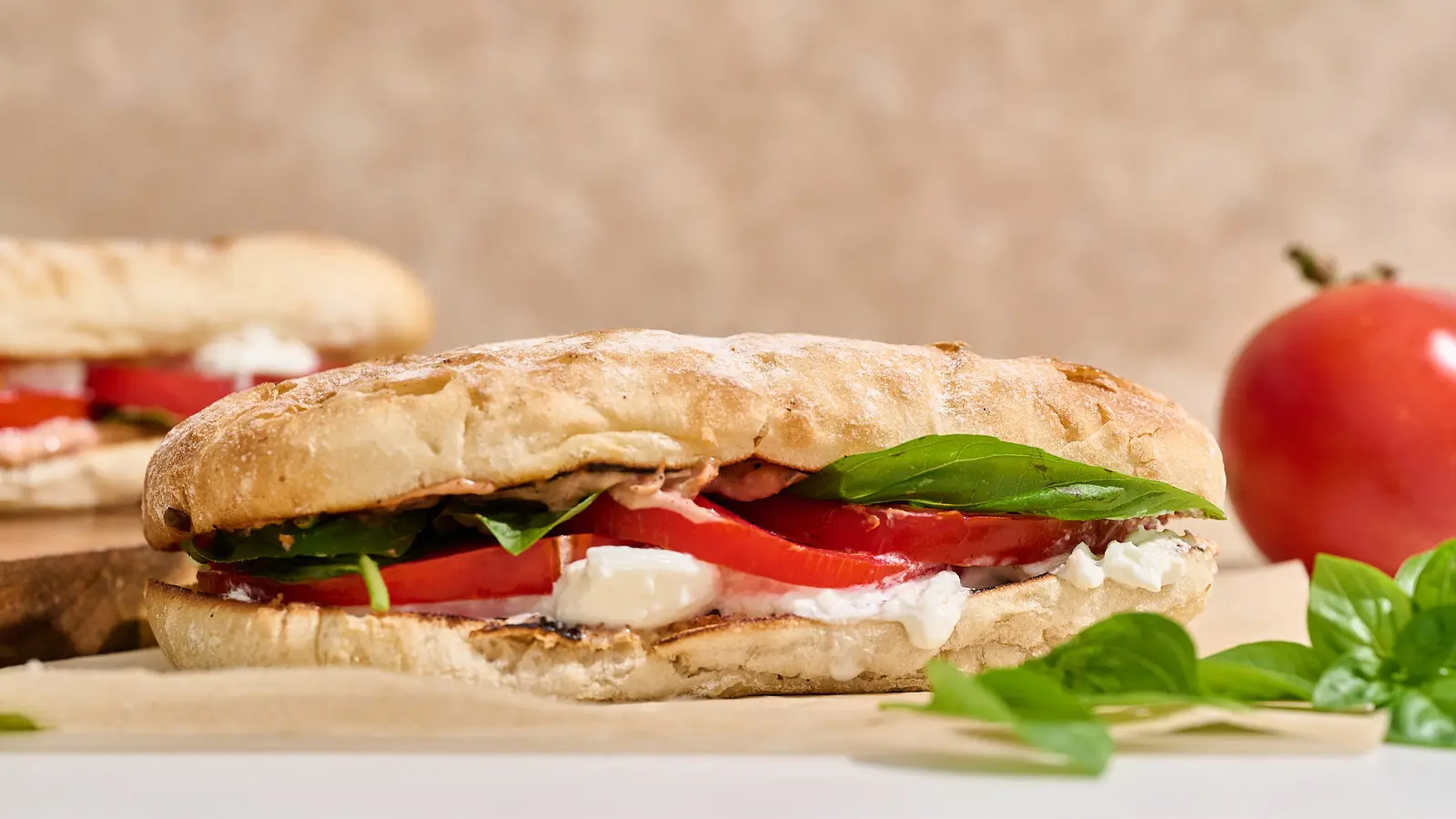
A vibrant tomato sandwich has been reimagined by culinary writers who argue that the humble ingredient deserves a spotlight. The new version, unveiled in October 2026, promises a burst of flavor that goes beyond the ordinary. It features ripe tomatoes, fresh basil, creamy mozzarella, and a crusty bread base, all drizzled with a splash of olive oil and a pinch of sea salt. The recipe is intended for anyone with access to a garden or a local farmer’s market, making it both seasonal and sustainable.
Latest news
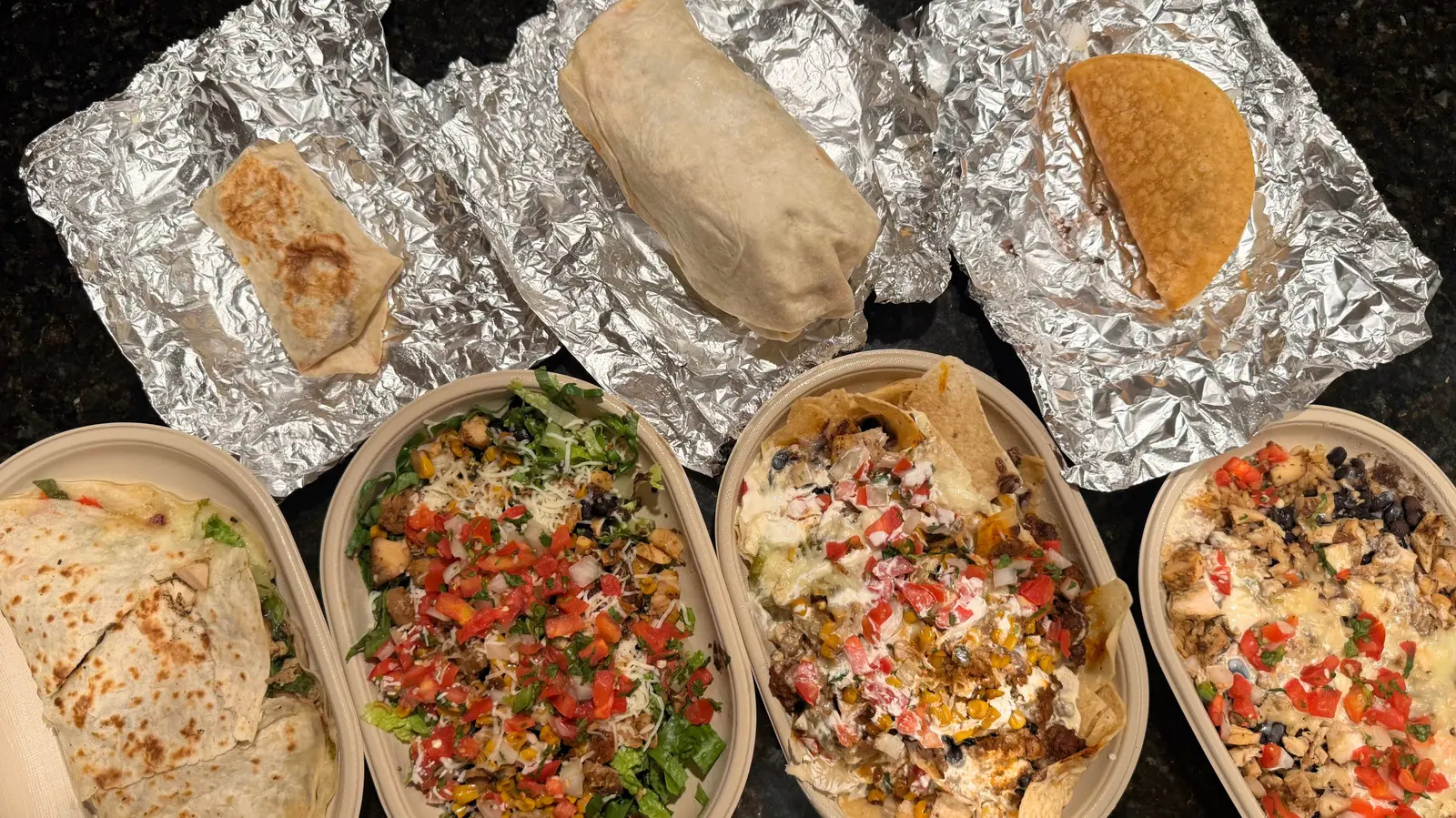 Moe's Southwest Grill Menu Items Ranked from Worst to Best
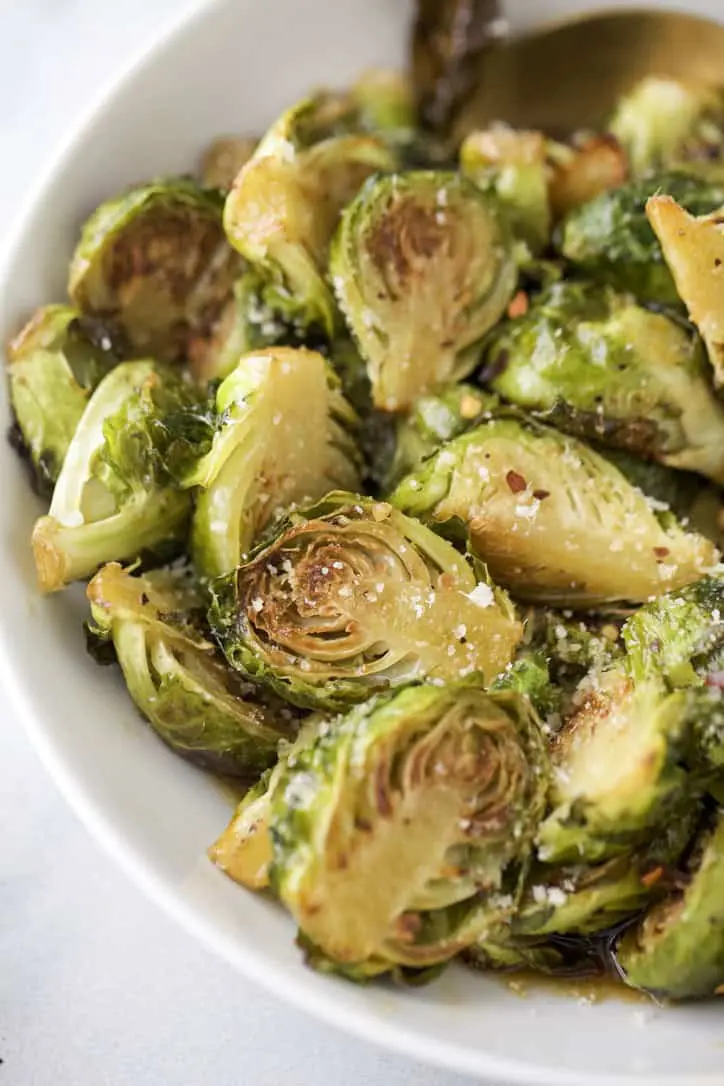 Hot Honey Brussels Sprouts: A Sweet‑Spicy Side That Turns Heads
 Turn Your Pasta Sauce Into a Nutritional Powerhouse
 West Coast IPAs vs East Coast IPAs: A Flavor Battle Across the United States
The creators emphasize that the key to a standout sandwich lies in the quality of the tomatoes. They recommend selecting fruit that is firm yet yields slightly under pressure, ensuring a juicy bite. The tomatoes are sliced thin and layered with basil leaves that add a fragrant, slightly peppery note. A generous spread of mozzarella provides a mellow, creamy counterpoint, while the bread—whether ciabatta, sourdough, or a rustic baguette—offers a sturdy, slightly chewy backbone. The final touch is a drizzle of extra‑virgin olive oil, a sprinkle of sea salt, and a dash of freshly cracked black pepper.
The recipe’s appeal hinges on the freshness of its components. Garden‑grown tomatoes, harvested at peak ripeness, deliver a natural sweetness that canned or out‑of‑season fruit cannot match. Local farmers’ markets often offer varieties that are both flavorful and visually striking, with colors ranging from deep crimson to bright ruby. By choosing these, cooks can elevate the sandwich’s aesthetic as well as its taste.
Can a Simple Sandwich Transform Dinner?
Fresh basil, another cornerstone of the sandwich, is prized for its aromatic oils. When paired with mozzarella, the basil’s herbaceous notes create a harmonious balance that lifts the entire dish. Chefs note that the mozzarella should be soft and not overly salty, allowing the basil and tomato to shine. The bread’s role is equally important; a crusty exterior provides texture, while a soft interior prevents the sandwich from becoming soggy when the tomatoes release their juices.
The question of whether a tomato sandwich can replace a full dinner is answered by the sandwich’s versatility. It can be served as a light lunch, a hearty snack, or even a starter for a larger meal. When paired with a side of mixed greens or a small bowl of tomato soup, the sandwich becomes a complete, balanced dish. Moreover, the recipe encourages experimentation: adding a slice of avocado, a sprinkle of pine nuts, or a drizzle of balsamic glaze can tailor the sandwich to individual tastes.
The broader implication is a shift toward mindful eating. By focusing on seasonal, locally sourced ingredients, diners can reduce their carbon footprint while enjoying a meal that is both satisfying and nutritious. The sandwich’s simplicity also makes it accessible to novice cooks, inviting them to explore fresh produce and basic techniques without feeling overwhelmed.
Frequently Asked Questions
What type of bread works best for this sandwich? A crusty loaf such as ciabatta or sourdough provides the ideal balance of crunch and chew. Avoid overly soft breads that may become soggy.
How can I keep the sandwich from getting soggy? Use thick tomato slices, lightly salt them to draw out excess moisture, and consider toasting the bread before assembly. A quick drizzle of olive oil adds flavor without adding too much liquid.
Can I make this sandwich ahead of time? It is best enjoyed fresh, but if you must prepare it in advance, keep the tomato slices separate and assemble just before serving to maintain texture.
Content written by Tasting Table for fancy-meals.com editorial team, AI-assisted.