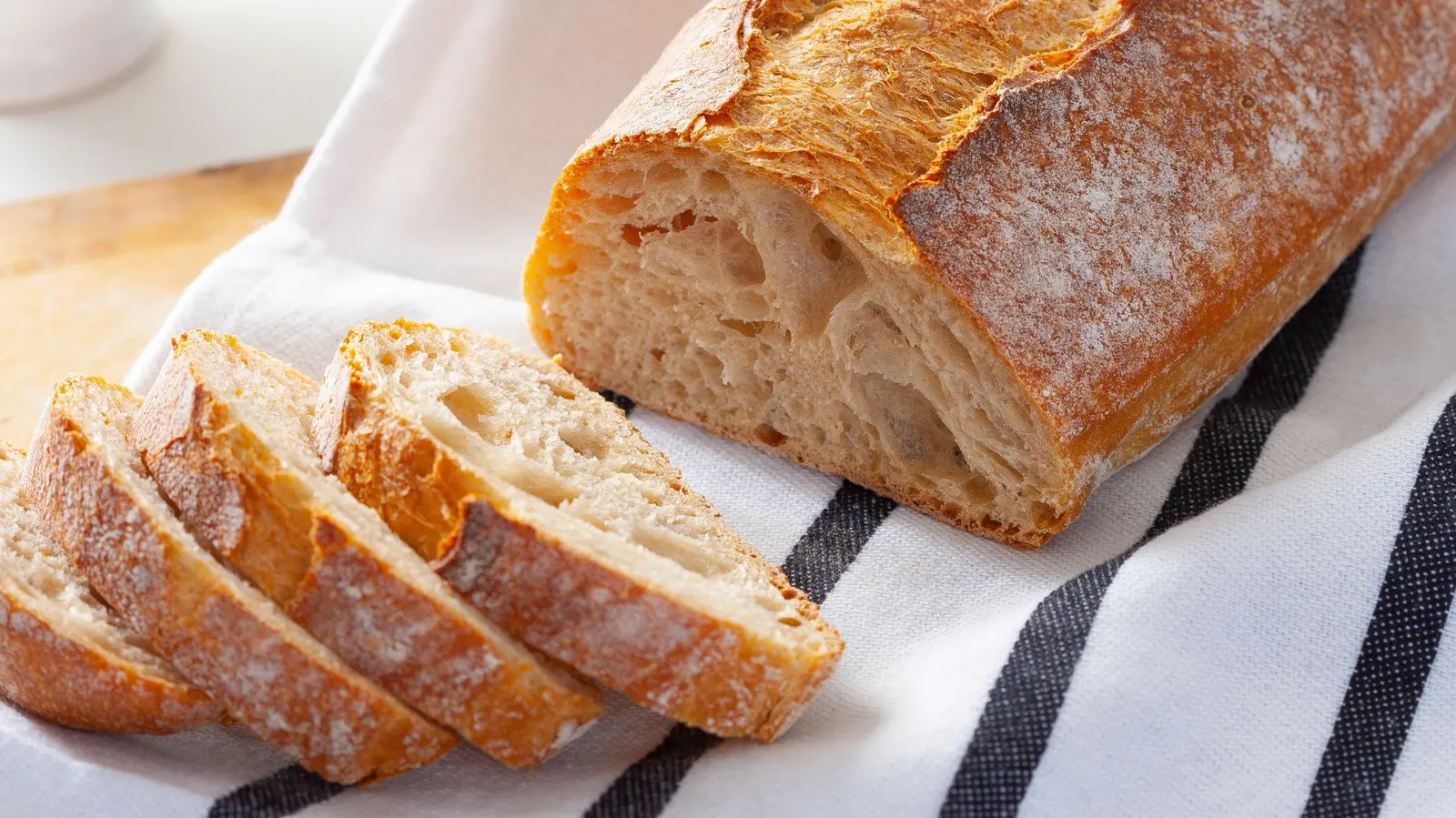
Sourdough Bread Gets a Tangy Twist When Water Is Swapped for Milk
Milk’s Role in Fermentation: A Closer Look
A baker in Portland, Oregon, announced a simple tweak to the classic sourdough recipe: replace the water with whole milk. The change, tested over a three‑week period, produced a loaf with a richer flavor and a softer crumb, according to the baker’s own measurements. The experiment began in late August, and the first batch was baked on September 2, 2026, at the city’s popular „Bread & Butter” café.
Latest news
 Costco's Frozen Dumpling Lineup, Ranked From Least To Most Tasty
 Best stainless-steel frying pans 2026: expert-tested picks for searing, eggs and daily cooking
 Trader Joe’s First‑Time Shopper Guide: Must‑Try Items
 Panda Express vs P.F. Chang's: Which Orange Chicken Is Healthier?
The idea came from a curiosity about how dairy can influence fermentation. Milk contains lactose, a sugar that yeast can digest, and proteins that strengthen gluten. When the baker substituted milk for water, the dough rose faster and the final loaf had a subtle caramel note. The baker noted that the dough’s hydration level was slightly lower, yet the loaf remained moist and airy. „It’s like giving the yeast a snack,” the baker explained, „and the proteins give the crumb a silkier feel.”
Is This Milk Swap Worth the Extra Cost?
Scientists say that lactose can act as an additional food source for yeast, boosting activity during the bulk fermentation stage. The extra sugar also encourages the growth of lactic acid bacteria, which deepen the sour flavor. In addition, the casein proteins in milk help form a stronger gluten network, resulting in a loaf that holds its shape better during baking. The baker measured the loaf’s pH at 4.2, slightly lower than the typical 4.5–4.7 range for sourdough, indicating a more acidic environment that can enhance flavor complexity.
The baker also experimented with different milk types. Whole milk produced the richest loaf, while skim milk yielded a lighter crumb but less pronounced tang. Adding a tablespoon of butter to the dough further increased moisture retention, giving the loaf a buttery finish that paired well with smoked salmon on a sandwich.
Many home bakers wonder whether the extra expense of milk is justified. The baker estimates that a 2‑liter bottle of whole milk costs about $2.50, compared with $1.00 for the same volume of water. However, the improved flavor and texture may offset the cost for those who value a premium loaf. „If you’re baking for a crowd or a special event, the milk version can be a game‑changer,” the baker advised. „For everyday loaves, you might stick with water, but the milk version is worth trying at least once.”
Frequently Asked Questions
The baker also noted that the milk‑based dough can be stored for up to 48 hours in the refrigerator, allowing for flexible baking schedules. The dough’s slightly higher acidity helps preserve the loaf, reducing mold growth compared to traditional water‑based sourdough.
The bakery plans to offer a „Milk‑Sourdough” option next month, and the baker hopes the experiment will inspire other bakers to explore dairy alternatives. The move could also appeal to consumers looking for a richer, more indulgent bread experience without compromising the traditional sourdough character.
Content written by [email protected] (Macy Sandel) for fancy-meals.com editorial team, AI-assisted.