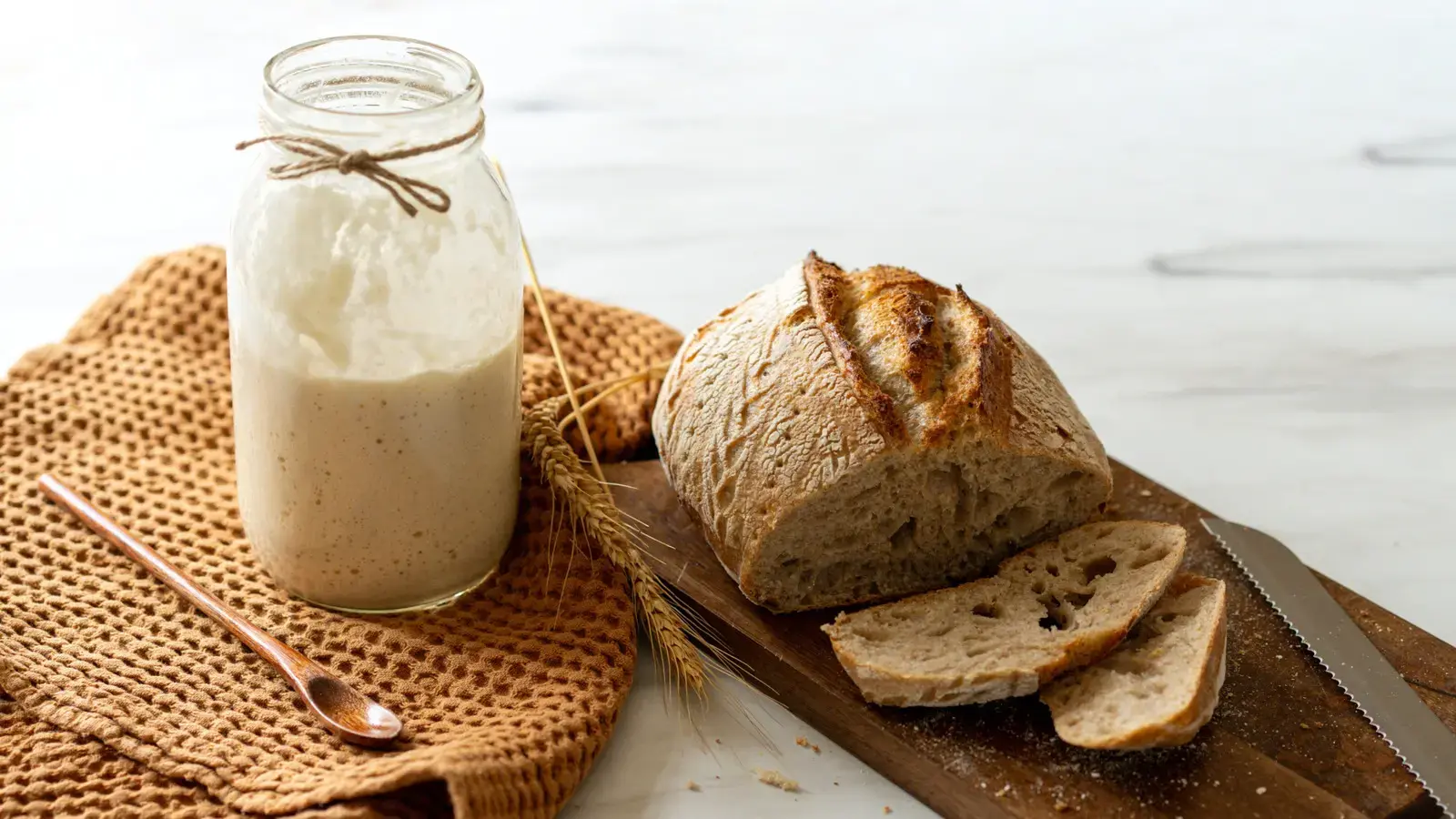
Forget About Water: Using These Liquids Can Make Sourdough Bread 10X Better
The lactose in milk does not ferment fully, leaving residual sugar that aids in
Bakers seeking to elevate their sourdough loaves are discovering that replacing water with alternative liquids can dramatically enhance flavor and texture. This simple swap, gaining traction among home bakers, transforms basic recipes into more complex and satisfying breads without requiring advanced techniques or specialty ingredients. The method involves substituting all or part of the water in a sourdough recipe with liquids such as milk, beer, coffee, or fruit juices. These alternatives introduce sugars, acids, and proteins that interact with the fermentation process, influencing crust development, crumb structure, and taste. For example, milk adds richness and promotes browning, while beer contributes maltiness and can improve rise due to its carbonation and yeast content. How Different Liquids Affect Fermentation and Flavor Using milk in sourdough results in a softer crumb and a slightly sweet, tender loaf that stays fresh longer.
Latest news
 The Ultimate Homemade Chili Recipe for Cold Weather
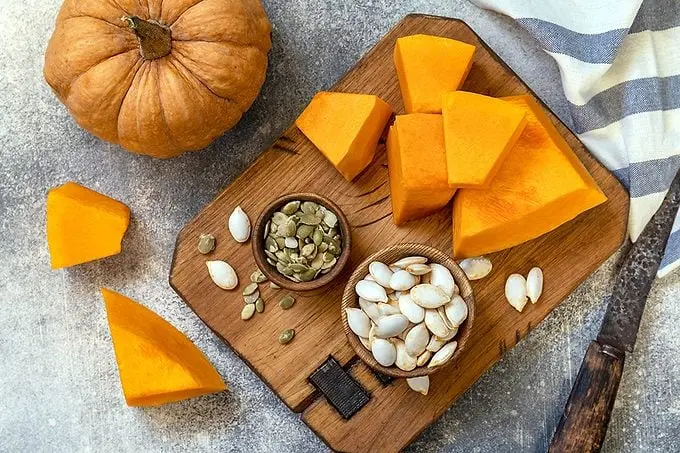 The Nutritional Power of Pumpkin Beyond Seasonal Desserts
 A Culinary Journey Through the 30th Epcot International Food and Wine Festival
 Burger King Unleashes Hello Kitty Kids' Meal with Ultra-Rare Golden Collectible
The lactose in milk does not ferment fully, leaving residual sugar that aids in caramelization during baking. Beer, particularly darker varieties like stouts or porters, adds deep malty notes and can create a more open crumb structure due to extra gases. Coffee, when used cold-brewed and unsweetened, introduces a subtle bitterness that complements the bread’s natural tang without overpowering it. Fruit juices, such as orange or apple, bring brightness and a hint of sweetness, though bakers should reduce added sugar in the recipe to avoid excessive browning. What Happens If You Use Too Much Acidic Liquid? Excessive acidity from liquids like citrus juice or vinegar-based drinks can weaken gluten strands, leading to a denser loaf with poor volume. Experts recommend limiting acidic substitutions to no more than 25% of the total liquid to maintain proper dough strength.
Similarly, alcoholic liquids should be used in moderation, as high alcohol
Similarly, alcoholic liquids should be used in moderation, as high alcohol content can inhibit yeast activity. Balancing these elements ensures the starter remains active and the dough develops properly during fermentation. Bakers experimenting with liquid substitutions report noticeable improvements in aroma and mouthfeel, with some noting that their breads pair better with specific foods—beer-based loaves with cheese, coffee-infused versions with chocolate spreads. The technique allows for seasonal variations, such as using spiced apple cider in fall or cold brew in summer. Frequently Asked Questions Can I use flavored yogurt or kefir as a liquid substitute? Yes, plain kefir or yogurt works well and adds tanginess and tenderness, but avoid sweetened or flavored versions that may disrupt fermentation balance. Will using beer make my bread taste alcoholic? No, the alcohol evaporates during baking, leaving behind only the malt and hop flavors that enhance the bread’s depth.
Is it safe to use hot liquids like freshly brewed coffee? No, hot liquids can kill the yeast and starter cultures; always cool alternatives to room temperature before mixing.
Content written by Tasting Table for fancy-meals.com editorial team, AI-assisted.