Smart Home Chef Creates Versatile Cream Of Anything Powder From Pantry Staples
Two tablespoons of this blend mixed with one cup of hot water or broth produces
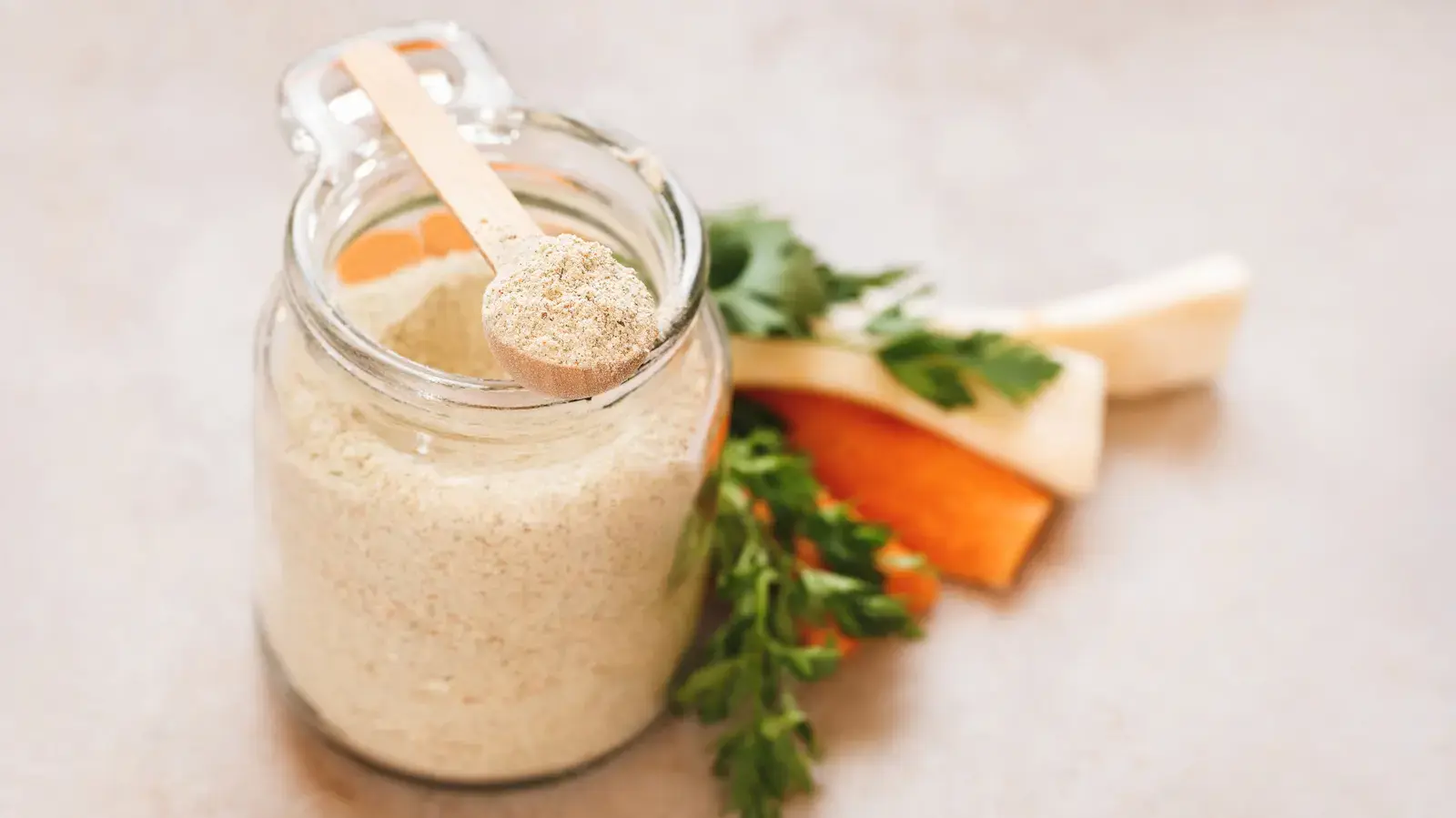
A home cooking enthusiast has developed a simple powder blend using common pantry ingredients to replace canned cream soups in recipes. Amanda Berkey shared the method in October 2026, explaining how mixing flour, powdered milk, butter powder, and seasonings creates a convenient substitute. The mixture stores well and can be reconstituted with hot liquid when needed, offering a solution for missing ingredients during meal preparation. The technique addresses a frequent kitchen dilemma where recipes call for specific canned soups like cream of mushroom or cream of chicken, which may not be readily available. By combining equal parts all-purpose flour and nonfat dry milk powder with half the amount of butter powder, then adding salt, pepper, and optional herbs such as thyme or garlic powder, users create a base that mimics the texture and flavor profile of condensed soups.
Latest news
 Moe's Southwest Grill Menu Items Ranked from Worst to Best
 Hot Honey Brussels Sprouts: A Sweet‑Spicy Side That Turns Heads
 Turn Your Pasta Sauce Into a Nutritional Powerhouse
 West Coast IPAs vs East Coast IPAs: A Flavor Battle Across the United States
Two tablespoons of this blend mixed with one cup of hot water or broth produces a smooth, thick liquid suitable for casseroles, sauces, or soups. Berkey notes the powder keeps for months in an airtight container away from moisture, making it a reliable backup for spontaneous cooking. How Does This Powder Compare To Store-Bought Alternatives Unlike commercial cream soups that often contain preservatives and high sodium levels, the homemade version allows full control over ingredients and salt content. Berkey emphasizes that while the flavor is neutral enough to adapt to various dishes, adding sautéed onions or mushrooms enhances it for specific applications like green bean casserole. Testing showed the reconstituted mixture achieves a similar viscosity to canned soup when heated, though it lacks the exact caramelized notes from long-simmered versions.
The cost per batch is significantly lower than purchasing multiple specialty
The cost per batch is significantly lower than purchasing multiple specialty cans, particularly beneficial for those who use such soups infrequently. What Are The Limitations Of This Substitute The powder works best in recipes where the soup acts as a thickener or flavor base rather than the primary ingredient, such as in tuna noodle casserole or potato soup. It may not replicate the depth of flavor in dishes relying heavily on the soup’s distinct taste, like certain Asian-inspired cream-based sauces. Berkey advises against using it in recipes requiring acidic ingredients like tomato juice, which can cause curdling when mixed with dairy components. For optimal results, she recommends whisking the powder into cold liquid first before heating to prevent lumps, a step that ensures smooth integration into hot preparations. Frequently Asked Questions How long does the homemade cream of anything powder last when stored properly?
When kept in a sealed container in a cool, dry place, the powder remains usable for up to six months without losing its thickening properties or flavor integrity. Can this powder be made gluten-free or dairy-free? Yes, substituting rice flour for all-purpose flour and using plant-based milk powder creates a version suitable for those with gluten or dairy sensitivities, though texture may vary slightly. Is it necessary to toast the flour before mixing it with other ingredients? Toasting the flour is optional and adds a nutty undertone, but raw flour works effectively as long as the mixture is cooked thoroughly when reconstituted to eliminate any raw taste.
Content written by [email protected] (Amanda Berkey) for fancy-meals.com editorial team, AI-assisted.