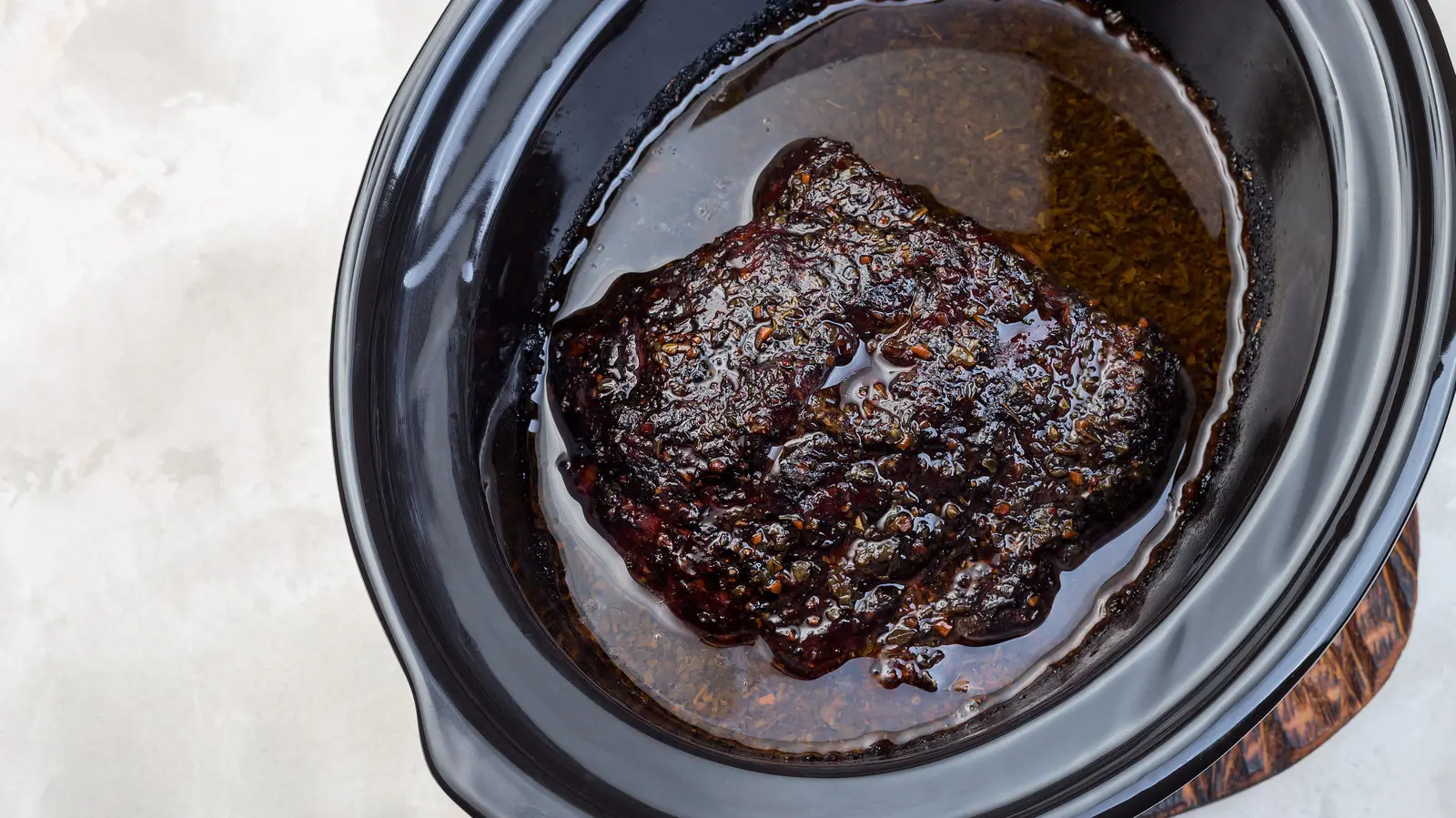
Pot Roast Gets Major Upgrade With One Vintage Condiment
Why This Century-Old Condiment Works Best
A simple addition to the classic pot roast recipe can dramatically enhance its flavor profile. The key ingredient is a bottle of Heinz 57 Seasoning Sauce, a product first introduced in 1911. This condiment brings a distinct balance of tangy sweetness to the dish. It effectively cuts through the richness of the slow-cooked meat. Home cooks are discovering this vintage trick to elevate their Sunday dinners. The result is a more complex and satisfying meal.
Latest news
 Costco's Frozen Dumpling Lineup, Ranked From Least To Most Tasty
 Best stainless-steel frying pans 2026: expert-tested picks for searing, eggs and daily cooking
 Trader Joe’s First‑Time Shopper Guide: Must‑Try Items
 Panda Express vs P.F. Chang's: Which Orange Chicken Is Healthier?
Heinz 57 was originally formulated as an all-purpose seasoning sauce. It contains a blend of spices, vinegar, and sugar. These components interact well with the collagen-rich beef used in pot roasts. The acidity helps tenderize the meat further during the long cooking process. Meanwhile, the subtle sweetness complements the savory depth of the braising liquid. Many traditional recipes rely solely on wine or broth for liquid. Adding this specific sauce introduces a layer of umami that standard ingredients lack. The flavor profile becomes rounder and less one-dimensional.
The sauce acts as a natural deglazing agent. When added to the pan before braising, it captures browned bits from the meat. These caramelized solids dissolve into the liquid, creating a robust base. Cooks report that even small amounts make a noticeable difference. A single splash is often enough to transform the entire pot. The vintage nature of the product adds a nostalgic element to the cooking experience. It connects modern home kitchens with early twentieth-century culinary practices.
How To Integrate The Sauce Without Overpowering Flavors
Timing is critical when incorporating Heinz 57 into your recipe. Do not add the sauce at the very beginning of the searing process. Instead, wait until the meat has developed a deep brown crust. Pour the sauce directly into the hot pan to deglaze. Scrape up the fond, which is the flavorful residue stuck to the bottom. Then, add your primary braising liquid, such as beef stock or red wine. Stir gently to combine all elements. The mixture should simmer slowly for several hours. This allows the flavors to meld and penetrate the fibers of the meat.
Avoid adding too much of the condiment. The goal is enhancement, not dominance. Start with a modest amount and taste the liquid before serving. You can always add more later if needed. The sauce pairs particularly well with root vegetables like carrots and potatoes. These starchy items absorb the seasoned liquid as they cook. They become soft and infused with the tangy notes. The final dish offers a harmonious balance of sweet, sour, and savory elements.
Frequently Asked Questions
Can I substitute another brand of seasoning sauce? Yes, you can use other seasoned vinegars or Worcestershire sauce. However, the specific blend in Heinz 57 provides a unique sweetness. Other substitutes may alter the flavor profile significantly.
How much sauce should I use for a standard roast? Start with two to three tablespoons for a medium-sized cut of beef. Adjust based on personal preference and the size of the meat. Taste the braising liquid before adding salt.
Does the sauce change the color of the meat? The sauce may darken the braising liquid slightly. The meat itself will retain its natural cooked color. The visual change is minimal and usually unnoticeable.
Content written by [email protected] (Alan Bradley) for fancy-meals.com editorial team, AI-assisted.