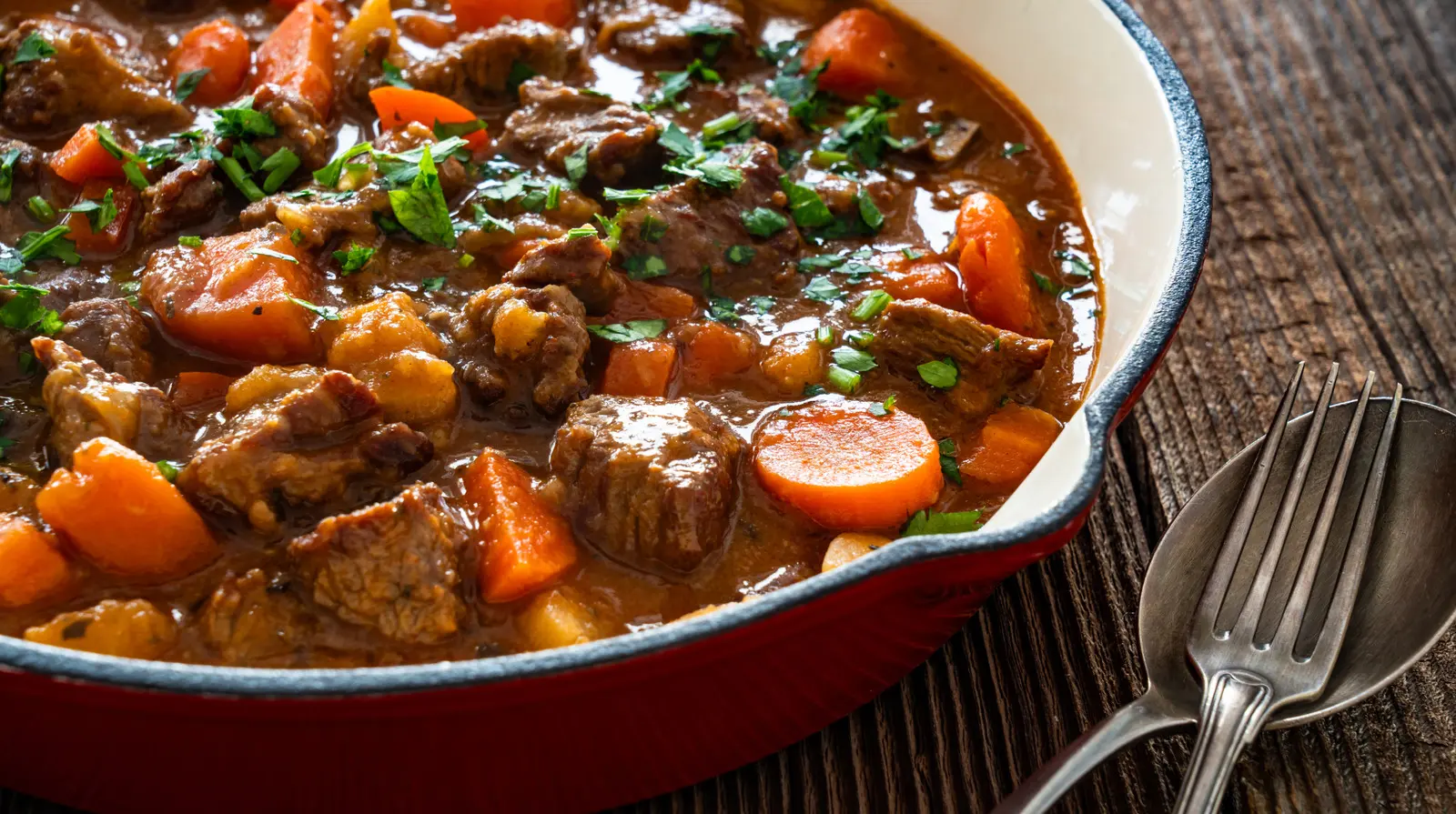
Pot Roast Gets a Fall Twist with Apple Cider
How the Cider Works Its Magic in the Slow‑Cook Process
When autumn settles in, kitchens shift to hearty, comforting meals. A classic pot roast, slow‑cooked in a heavy pot, becomes even more inviting when apple cider is added. Home cooks in the United States are discovering that a splash of cider enriches the meat’s flavor profile and adds a subtle sweetness that pairs beautifully with seasonal spices.
Latest news
 Prosciutto Elevates the Classic Grilled Cheese Sandwich
 Costco Frozen Shrimp Rivals Steakhouse Appetizers
 Skip Store‑Shelf German Chocolate for This Rich Duncan Hines Cake Mix
 Severed Sun: A Blood-Red Bourbon Halloween Cocktail
Apple cider, a non‑filtered, unpasteurized apple juice, brings a natural tartness and fruitiness to the dish. By simmering the roast with the cider, the liquid reduces into a glaze that coats the meat, infusing it with a caramelized, autumnal taste. The acidity also helps break down connective tissue, making the beef tender and juicy. Chefs note that the cider’s subtle sweetness balances the savory broth, creating a layered flavor that feels both rustic and refined.
In a typical pot roast, the meat is seared, then cooked with broth, onions, carrots, and herbs. Replacing or supplementing the broth with apple cider changes the chemistry of the dish. The cider’s sugars caramelize during the long, low‑heat cooking, forming a glossy coating that enhances the roast’s appearance. The natural acids cut through the fat, brightening the overall taste. Many home cooks report that the final texture is more succulent, with a tender bite that melts in the mouth. The cider also imparts a subtle apple note that evokes fall harvests, making the meal feel seasonally appropriate.
Is This Simple Addition Worth the Effort?
Chefs suggest adding the cider after the initial sear and before the roast goes into the oven or slow cooker. A ratio of one cup of cider for every two pounds of beef works well. Some recipes call for a splash of red wine or a dash of balsamic vinegar, but the cider alone delivers a balanced flavor without overpowering the dish.
Yes, adding apple cider to pot roast can transform a familiar recipe into a memorable meal. The extra step—pouring the cider into the pot—takes no more than a few minutes and requires no special equipment. The resulting dish is richer, more aromatic, and visually appealing. For families seeking a comforting dinner that feels festive, the cider-enhanced pot roast offers a quick way to elevate everyday cooking.
The trend also aligns with a growing interest in seasonal and locally sourced ingredients. Apple cider is widely available in grocery stores during the fall, and many farmers’ markets sell fresh, unfiltered varieties. By choosing a local cider, diners can support regional producers while enjoying a dish that reflects the season’s bounty.
Frequently Asked Questions
Can I use sweetened cider or only unsweetened? Both work, but unsweetened cider allows you to control the sweetness. Sweetened cider adds extra sugar, which can make the glaze overly sweet.
What if I’m allergic to apples? If you have an apple allergy, avoid cider. You can substitute with a light apple‑flavored broth or a mild fruit wine, but the flavor profile will differ.
Will the cider affect cooking time? No, the cider does not change the cooking duration. It simply reduces during the same low‑heat process, creating a glaze rather than altering the roast’s timing.
Content written by Tasting Table for fancy-meals.com editorial team, AI-assisted.