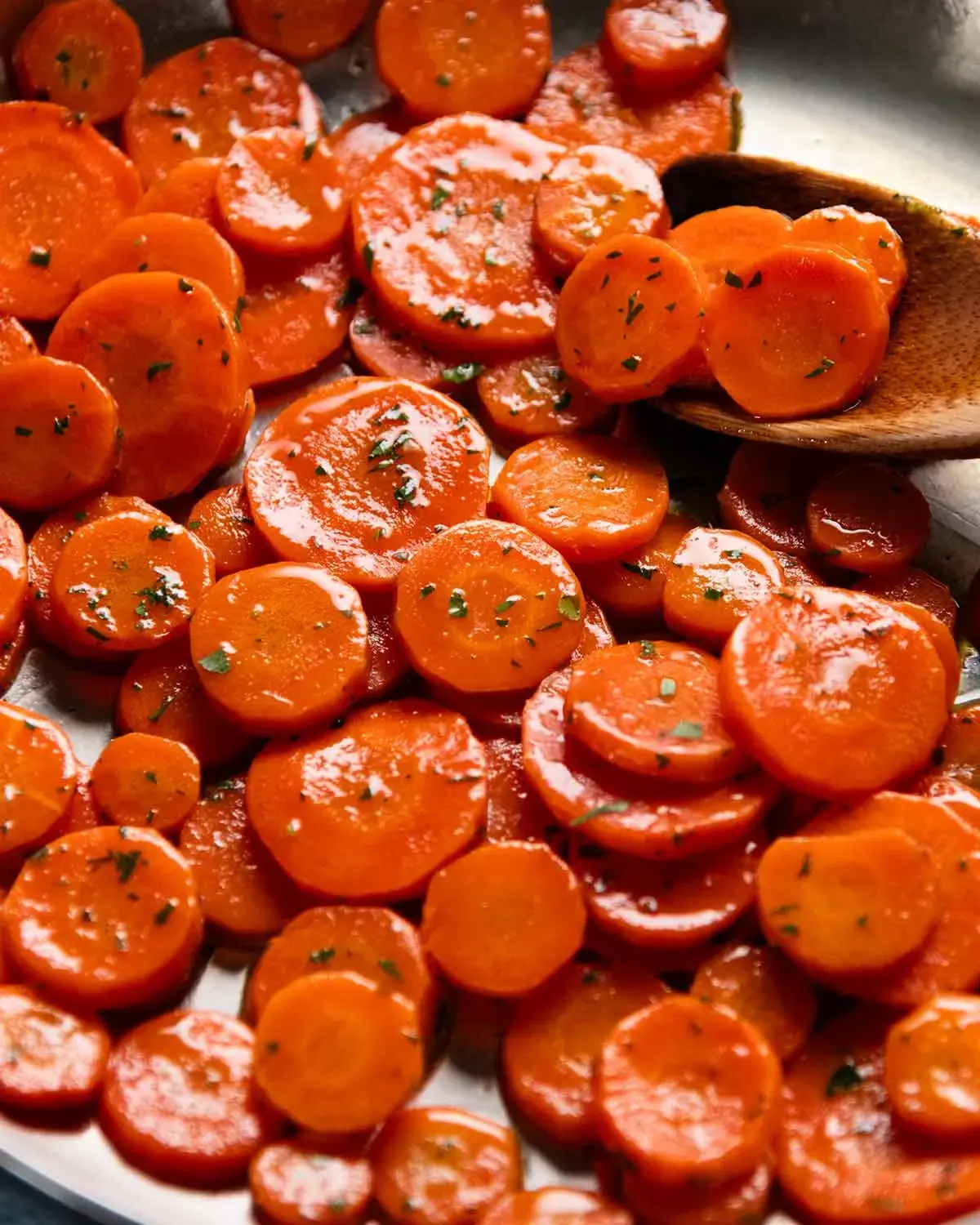
French Glazed Carrots: The Secret of Carottes Vichy
The Heritage of Carottes Vichy
In French culinary tradition, seemingly simple dishes often hide profound elegance and rich history. Glazed carrots, known as Carottes Vichy or Carottes Glacées, are a prime example. This recipe, shared by renowned chef JB, demonstrates how minimal ingredients yield spectacular results. Unlike standard glazed versions that rely on heavy sugar or honey, this style remains delicate. The cooking process transforms the liquid into a rich, buttery glaze without overpowering the natural vegetable flavor.
Latest news
 Moe's Southwest Grill Menu Items Ranked from Worst to Best
 Hot Honey Brussels Sprouts: A Sweet‑Spicy Side That Turns Heads
 Turn Your Pasta Sauce Into a Nutritional Powerhouse
 West Coast IPAs vs East Coast IPAs: A Flavor Battle Across the United States
The name Vichy honors the famous French town known for its mineral-rich springs. Traditionally, local cooks used this mineral water to boil carrots for unique texture and taste. JB notes this was one of the first dishes he learned in culinary school. It remains an absolute classic across French bistros, fine dining venues, and family kitchens alike. This side dish endures because of its deceptive simplicity and flawless final taste.
A crucial aspect of this recipe involves abandoning traditional boiling and draining. Discarding the cooking water washes away valuable nutrients and flavors down the sink. Instead, chefs cook the carrots directly in the vessel where the glaze eventually forms. Consequently, all intense vegetable juices concentrate in the final sauce, creating a much deeper tasting experience. The outcome transforms a humble vegetable into a prominent meal component with remarkable visual and flavor appeal.
The Technique of Pan-Glazing
Achieving the best results requires careful ingredient selection. JB and the author both stress the importance of buying organic carrots. This represents the single vegetable where paying a slightly higher price truly matters. The cost difference is negligible, but the taste impact is massive. Organic carrots taste noticeably sweeter, offer a stronger carrot aroma, and provide superior texture.
The recipe calls for 800 grams of peeled carrots cut into round slices exactly six millimeters thick. Chefs should never discard the peelings. Instead, keep them to prepare a sustainable and useful homemade vegetable broth.
Sweetness is used with great restraint. The recipe avoids generous cups of sugar, using only four teaspoons of white sugar for the entire batch. This dramatic reduction creates a sophisticated flavor profile that avoids any artificial taste. Unsalted butter remains the mandatory fat for an authentic French result. While substituting olive oil is technically possible, culinary traditionalists view this minor deviation with amusement. Two tablespoons of butter create a creamy foundation that binds everything together.
Balancing Sweetness, Fats, and Salt
Salt choice heavily influences the final seasoning. The recipe specifies standard table salt or kosher salt. Because fine table salt is denser, cooks must halve the amount to prevent over-salting. Conversely, lighter and pricier flaky salt requires a fifty percent increase to compensate. Water serves as the cooking medium, allowing carrots to soften slowly while remaining semi-submerged.
An unusual yet essential tool for this technique is the „cartouche.”This term refers to a circle of parchment paper placed directly over the simmering carrots. It captures steam to ensure fast, even cooking while allowing controlled water evaporation. This evaporation is vital for reducing the liquid into a glossy glaze. Using a standard lid takes ten minutes longer and cooks less evenly.
The Magic of the Cartouche
Making a cartouche takes only twenty-seven seconds. Take a sheet of parchment paper slightly larger than your pan and fold it diagonally into a sharp point. Trim the paper where it meets the pan's edge, then unfold it to reveal a perfectly sized circle. This clever method also works wonderfully for lining cake pans.
The cooking process begins by selecting a wide, deep pan. Place the water, butter, sugar, and salt inside over medium-high heat. Bring the mixture to a boil for thirty seconds to completely dissolve the sugar. Add the carrot slices, stir well, and reduce the heat to a gentle simmer.
Place the cartouche directly on top so it touches the liquid and carrots. Cook undisturbed for fifteen minutes without lifting the paper until all the water vanishes.
Content written by Nagi for fancy-meals.com editorial team, AI-assisted.