
Eggplant Parmesan: A Simple Italian-American Classic
Why Less Is More in the Breading
Eggplant parmesan is a beloved Italian-American dish that often gets overcomplicated in home kitchens and restaurants alike. Some recipes bury the vegetable under thick layers of breadcrumbs, masking its natural flavor with excess filler. The traditional method, however, keeps things straightforward: slice the eggplant, salt it to draw out moisture, dredge lightly in flour, fry until golden, then layer with rich tomato sauce, fresh mozzarella, and Parmigiano-Reggiano. This approach lets the eggplant shine through while delivering the comforting, savory depth the dish is known for.
Latest news
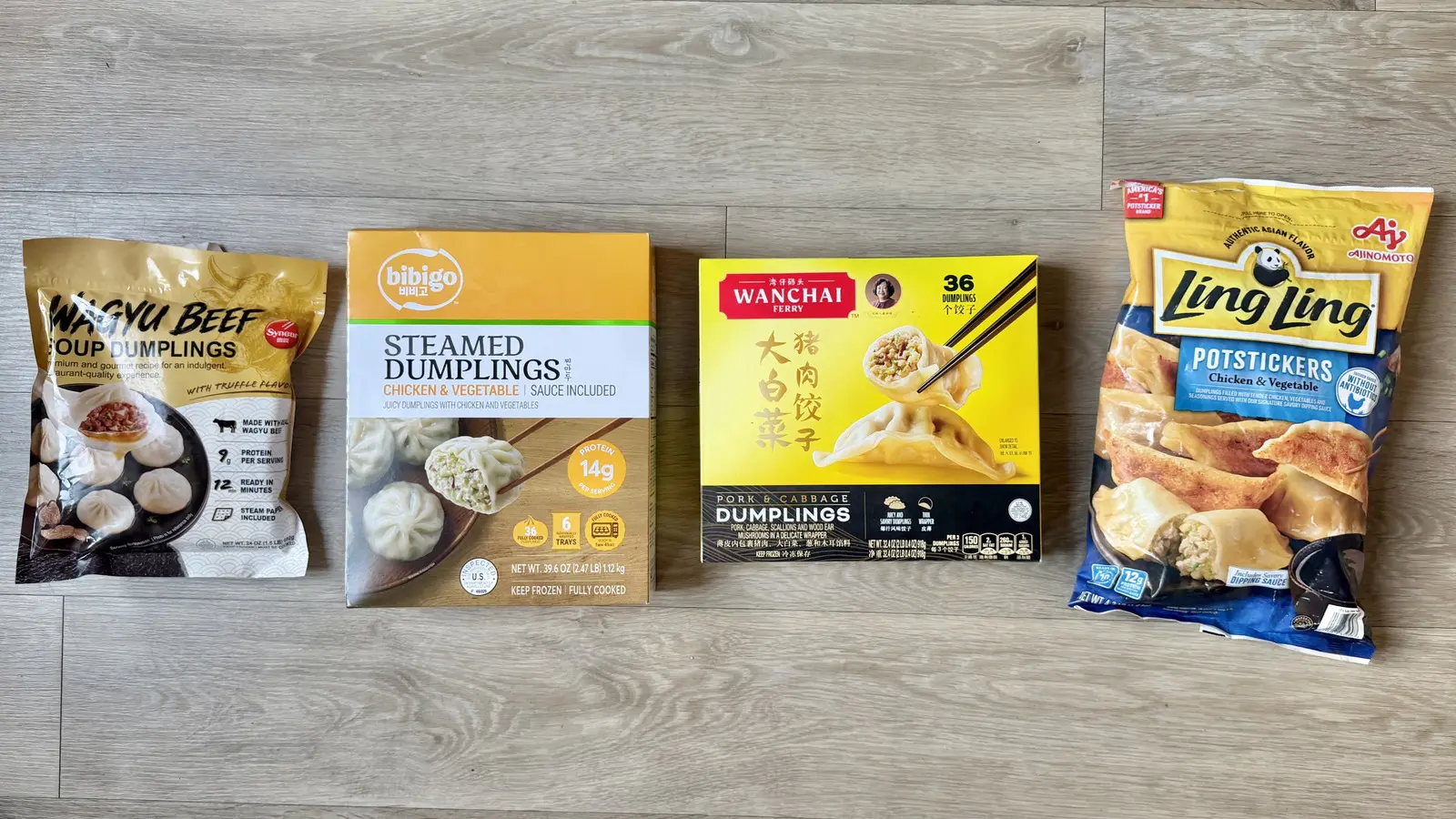 Costco's Frozen Dumpling Lineup, Ranked From Least To Most Tasty
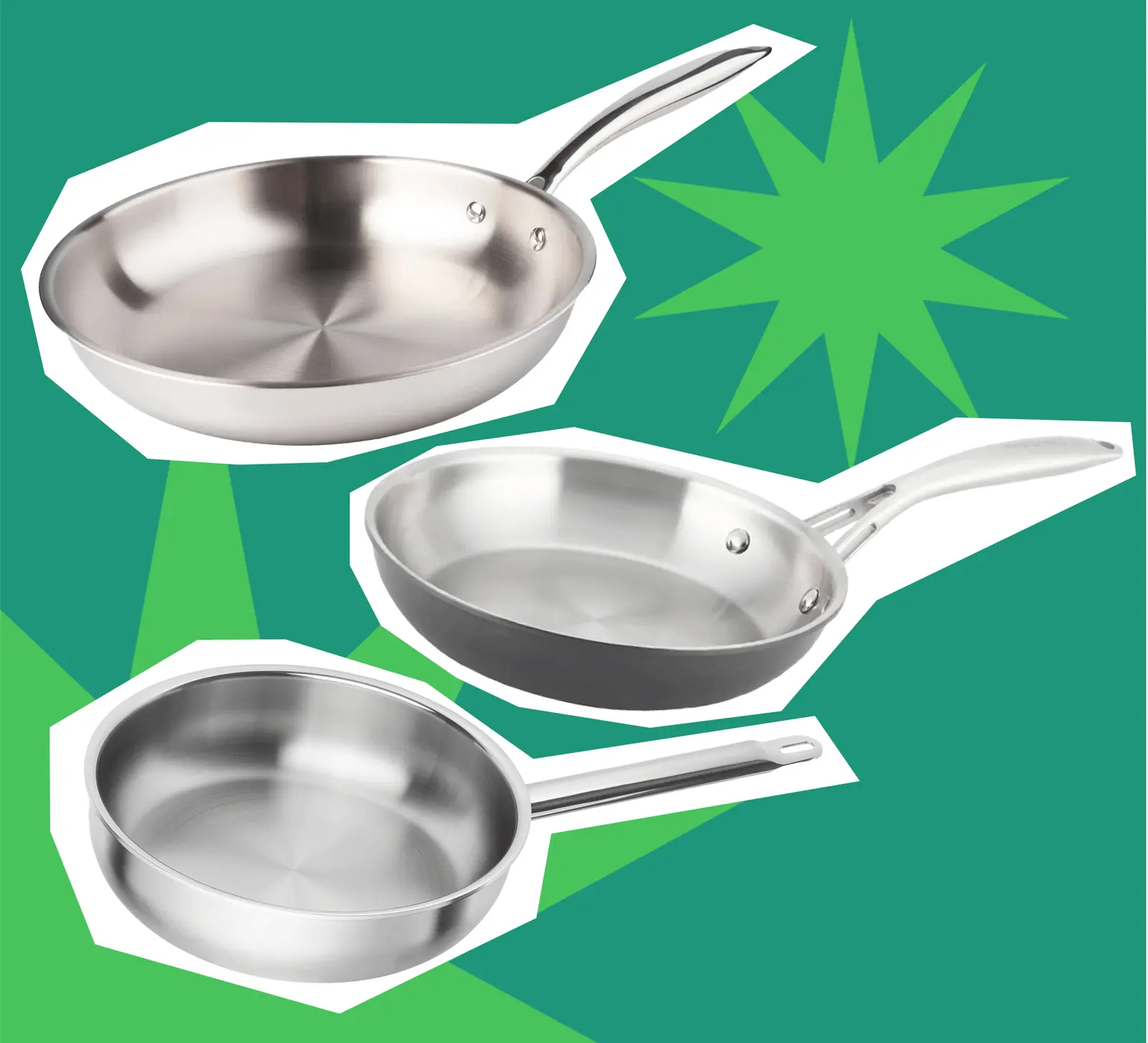 Best stainless-steel frying pans 2026: expert-tested picks for searing, eggs and daily cooking
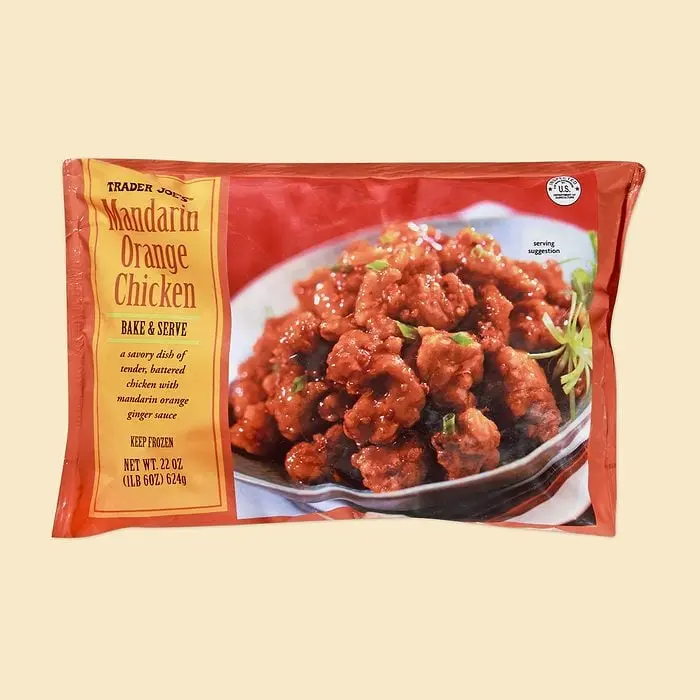 Trader Joe’s First‑Time Shopper Guide: Must‑Try Items
 Panda Express vs P.F. Chang's: Which Orange Chicken Is Healthier?
Many modern versions of eggplant parmesan rely heavily on breadcrumbs to create a crispy exterior, but this can overwhelm the delicate taste of the eggplant. Salting and draining the slices before cooking helps remove bitterness and excess water, ensuring a firmer texture when fried. Using only flour for dredging creates a light crust that crisps up without becoming heavy or doughy. Once fried, the eggplant layers absorb the tomato sauce just enough to stay moist without turning soggy. The cheese—melted mozzarella and sharp Parmigiano—adds richness without needing a thick breadcrumb barrier to hold it together. Purists argue that this simpler technique honors the dish’s roots while improving its balance of flavors and textures.
How Does Salt Affect the Final Dish?
Salting the eggplant before frying serves two key purposes: it draws out moisture that could cause splattering during frying and reduces any inherent bitterness. After letting the salted slices sit for about 30 minutes, they are rinsed and patted dry before being floured and fried. This step ensures the eggplant fries evenly and achieves a golden-brown exterior without absorbing too much oil. Skipping this step can lead to a greasy, watery result, undermining the dish’s structure. While some cooks skip salting for convenience, those who follow the traditional method note a noticeable improvement in both texture and taste.
Is it necessary to fry the eggplant, or can it be baked instead? While baking is a common alternative for a lighter version, frying provides the authentic texture and flavor that defines traditional eggplant parmesan. Baking can work if done at high heat with a light oil spray, but it may not achieve the same crisp-tender result.
Frequently Asked Questions
Can I use other cheeses besides mozzarella and Parmigiano? Fresh mozzarella and Parmigiano-Reggiano are recommended for their melt and flavor profile, but substitutions like provolone or pecorino can be used in a pinch. Avoid pre-shredded cheeses with anti-caking agents, as they don’t melt as smoothly.
How far ahead can I prepare eggplant parmesan? The dish can be assembled up to a day in advance and refrigerated before baking. Add a few extra minutes to the baking time if starting cold. Leftovers reheat well and often taste better the next day as the flavors meld.
Content written by Kalle Bergman for fancy-meals.com editorial team, AI-assisted.