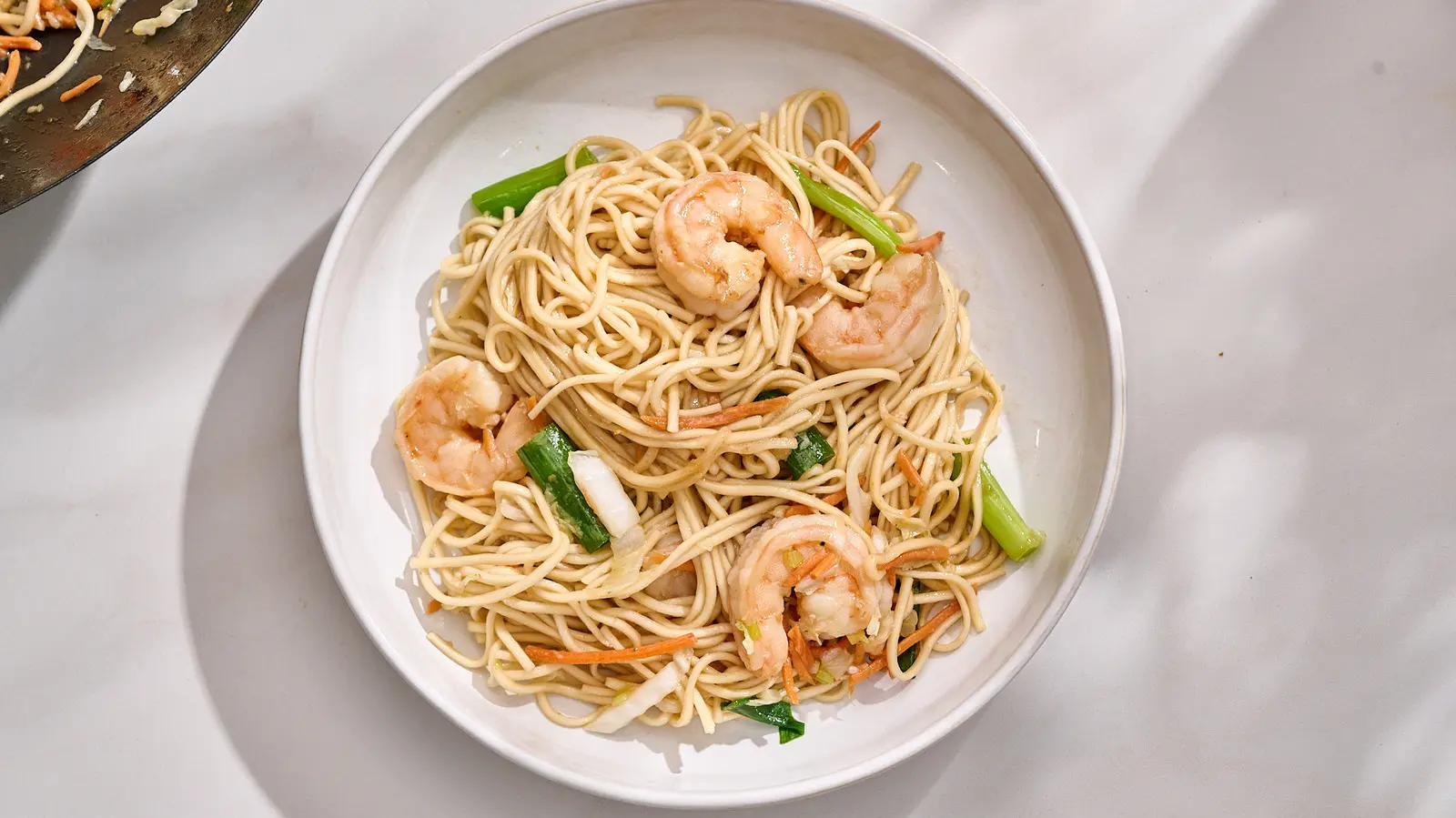
Classic Shrimp Lo Mein Recipe
How to Achieve Restaurant-Style Texture at Home
A beloved takeout favorite gets a homemade makeover in this classic shrimp lo mein recipe, offering a satisfying blend of tender shrimp, chewy noodles, and savory sauce that can be prepared in under 30 minutes. Developed by Michelle McGlinn and the Tasting Table staff, the dish captures the essence of Chinese-American comfort food without requiring hard-to-find ingredients or advanced techniques. Ideal for busy weeknights, it brings restaurant-quality flavor directly to the kitchen using pantry staples and fresh produce.
Latest news
 Moe's Southwest Grill Menu Items Ranked from Worst to Best
 Hot Honey Brussels Sprouts: A Sweet‑Spicy Side That Turns Heads
 Turn Your Pasta Sauce Into a Nutritional Powerhouse
 West Coast IPAs vs East Coast IPAs: A Flavor Battle Across the United States
The recipe centers on stir-frying shrimp with garlic and ginger before combining them with lo mein noodles, shredded carrots, bell peppers, and scallions in a rich sauce made from soy sauce, oyster sauce, sesame oil, and a touch of sugar. Cooking the noodles separately ensures they retain their signature springy texture, while high-heat stir-frying creates the essential wok hei flavor that defines authentic lo mein. The balance of salty, sweet, and umami notes makes this dish deeply satisfying, and the quick cooking time preserves the shrimp’s tenderness.
What Makes This Version Healthier Than Typical Takeout?
The key to replicating takeout quality lies in proper preparation and timing. Noodles should be cooked al dente and rinsed with cold water to stop the cooking process, preventing them from becoming mushy when added to the wok. Shrimp cook rapidly—just 1–2 minutes per side—and should be removed from heat as soon as they turn pink to avoid toughness. Using a well-seasoned wok or large skillet over high heat allows ingredients to sear quickly, locking in flavor and creating slight charring that enhances depth. Tossing everything together in the sauce off direct heat helps the noodles absorb moisture without breaking apart.
Unlike many restaurant versions that rely on excessive oil and sodium, this recipe allows control over ingredients, enabling lower-sodium soy sauce and reduced sugar without sacrificing taste. Fresh vegetables add fiber and nutrients, while lean shrimp provides high-quality protein with minimal fat. By avoiding deep-frying and using minimal oil for stir-frying, the dish remains light yet filling. Home cooks can also customize spice levels with chili garlic sauce or fresh chilies, tailoring the meal to dietary preferences while maintaining authenticity.
Can I substitute the shrimp with another protein? Yes, chicken, beef, or tofu work well as alternatives; adjust cooking times accordingly to ensure proper doneness.
Frequently Asked Questions
Is it possible to make this dish gluten-free? Using tamari instead of soy sauce and gluten-free lo mein noodles makes the recipe suitable for those avoiding gluten.
How long do leftovers last, and how should they be reheated? Stored in an airtight container, leftovers keep for up to three days in the refrigerator and are best reheated in a skillet over medium heat to restore texture.
Content written by Tasting Table for fancy-meals.com editorial team, AI-assisted.