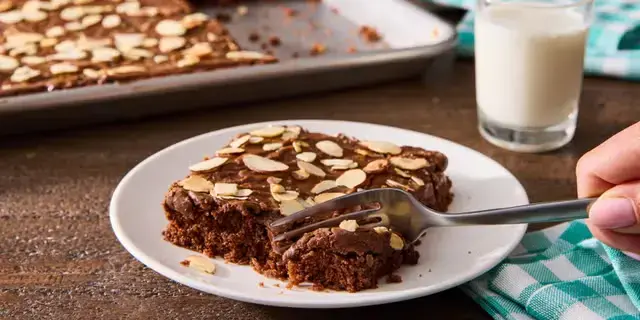
Chocolate Cake Remains the Undisputed Dessert Favorite Across Celebrations
The All‑Purpose Appeal of Chocolate Cake
Chocolate lovers across the country are still crowing about a timeless treat: chocolate cake. From birthday parties to casual potlucks, the rich, moist dessert shows up on every menu, and chefs like Ladd Drummond claim nothing can top it. The trend shows no sign of fading, even as new flavors emerge.
Latest news
 Moe's Southwest Grill Menu Items Ranked from Worst to Best
 Hot Honey Brussels Sprouts: A Sweet‑Spicy Side That Turns Heads
 Turn Your Pasta Sauce Into a Nutritional Powerhouse
 West Coast IPAs vs East Coast IPAs: A Flavor Battle Across the United States
The cake’s popularity stems from its versatility and emotional pull. Bakers can layer it with buttercream, drizzle it with ganache, or bake it as a simple sheet for quick service. Recipes such as Ree’s chocolate sheet cake have become staples, proving that a single, well‑executed version can satisfy a crowd. Home cooks appreciate the forgiving nature of the batter, while professionals rely on its ability to carry bold decorations.
Chocolate cake’s success lies in its balance of flavor and texture. Cocoa powder delivers deep, bittersweet notes, while sugar and butter create a tender crumb. When baked correctly, the cake stays moist for days, making it ideal for advance preparation. Its neutral base also welcomes endless variations—fruit fillings, espresso infusions, or even chili hints—without losing its core identity.
Can Home Bakers Match Professional Bakery Standards?
Cultural factors reinforce its status. In many families, the first slice of chocolate cake signals the start of a celebration, embedding the dessert in memory. Restaurants often feature it as a signature item, knowing it draws repeat customers. Even in holiday spreads, chocolate cake competes with pies and tarts, proving its universal appeal. The combination of taste, adaptability, and nostalgia ensures it remains a go‑to choice for both amateur bakers and seasoned pastry chefs.
Many wonder whether a home kitchen can replicate the flawless finish seen in upscale bakeries. The answer is increasingly yes, thanks to accessible tools and refined recipes. Modern mixers, silicone molds, and precise temperature controls allow amateurs to achieve consistent results. Ree’s sheet cake, for example, uses a simple one‑bowl method that reduces over‑mixing, a common pitfall for novices.
Expert bakers advise focusing on ingredient quality. Fresh, high‑cocoa dark chocolate and real butter elevate flavor far beyond boxed mixes. Accurate measuring, especially of leavening agents, prevents dense outcomes. Finally, allowing the cake to cool completely before frosting prevents cracks and ensures a smooth finish. With these practices, home bakers can deliver cakes that rival boutique offerings, delighting guests and boosting confidence in the kitchen.
The continued love for chocolate cake signals a broader trend toward comfort foods that blend tradition with creativity. As more people experiment with flavor twists and decorative techniques, the classic cake will likely evolve while retaining its core charm. Expect to see new variations in cafés and home kitchens alike, each paying homage to the beloved staple while pushing its boundaries.
Frequently Asked Questions
What makes a chocolate cake stay moist after baking? Moisture retention depends on the ratio of fat to flour and the inclusion of ingredients like sour cream or coffee, which lock in moisture and enhance flavor.
Is it necessary to use cocoa powder instead of melted chocolate? Cocoa powder offers a lighter texture and stronger chocolate flavor, while melted chocolate adds richness. Many recipes combine both for depth and structure.
How can I prevent a cracked top on my chocolate cake? Avoid opening the oven door early, bake at a moderate temperature, and let the cake cool gradually on a wire rack. A gentle cooling process reduces surface tension that causes cracks.
Content written by Henry Cross for fancy-meals.com editorial team, AI-assisted.