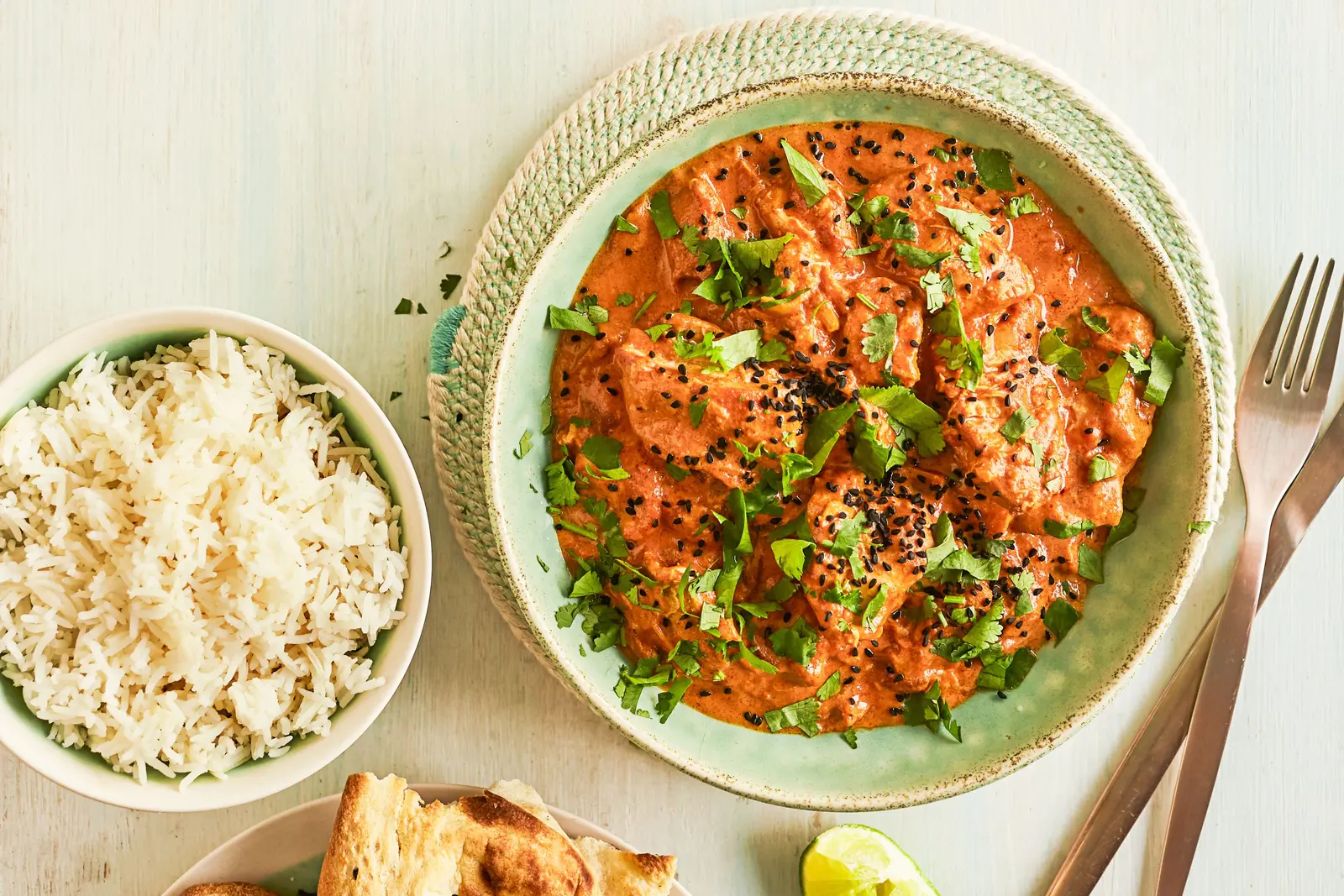
Celebrate National Curry Week with the Top Ten Crowd‑Favoured Recipes
From Street‑Style Heat to Home‑Cooked Comfort
National Curry Week is underway, and food lovers across the country are turning to Good Food’s curated list of ten beloved curry dishes. The collection spans hearty Indian one‑pot meals, vegetable‑rich dhal, and milder options for those who shy away from heat. Whether you crave a take‑away‑style feast or a slow‑cooked family dinner, the guide promises something for every palate and skill level.
Latest news
 Costco's Frozen Dumpling Lineup, Ranked From Least To Most Tasty
 Best stainless-steel frying pans 2026: expert-tested picks for searing, eggs and daily cooking
 Trader Joe’s First‑Time Shopper Guide: Must‑Try Items
 Panda Express vs P.F. Chang's: Which Orange Chicken Is Healthier?
Good Food compiled the selection by analysing user ratings, social media buzz, and seasonal trends. The editors aimed to showcase dishes that are both authentic and accessible, highlighting recipes that require minimal fuss for beginners while still satisfying seasoned cooks. The list also reflects a growing demand for plant‑forward meals, with several vegetarian and vegan curries featured. By promoting these recipes during National Curry Week, the site hopes to inspire home cooks to experiment with spices and broaden their culinary repertoire.
The top spot goes to a classic chicken tikka masala that balances smoky char with a creamy tomato base. Home cooks praise its straightforward technique: marinate chicken, sear, then simmer in a spiced sauce. For vegans, a lentil dhal with mustard greens steals the show, offering protein‑rich comfort without dairy. Meanwhile, a shrimp madras delivers a punchy, coconut‑laden heat that mimics popular take‑away flavors.
Why Are Home‑Made Curries Gaining Momentum?
Seasoned chef Anita Patel notes, „These recipes capture the essence of regional Indian cooking while remaining doable in a typical kitchen. The spice blends are pre‑measured, so even novices can achieve depth of flavor.” The guide also includes a milder paneer butter masala, perfect for children or those sensitive to chilies, and a slow‑cooked lamb rogan josh that benefits from a day‑long marination.
Consumer surveys reveal a 27 % rise in home cooking of ethnic dishes over the past two years, driven by increased access to global ingredients and a desire for healthier meals. Curries, with their blend of spices, vegetables, and lean proteins, fit neatly into this trend.
Nutritionists point out that many of the featured recipes incorporate legumes, leafy greens, and spices known for anti‑inflammatory properties, such as turmeric and cumin. „Making curry at home lets you control salt and oil levels, turning a traditionally indulgent dish into a balanced option,” says dietitian Mark Liu.
As National Curry Week progresses, retailers report a surge in sales of cumin, coriander, and garam masala, indicating that the campaign is translating into pantry restocks. Culinary schools also note higher enrollment in spice‑blending workshops, suggesting a lasting shift toward adventurous home cooking.
Frequently Asked Questions
What is the easiest curry recipe for a complete beginner? The lentil dhal with mustard greens requires only a handful of steps: rinse lentils, sauté aromatics, add spices and water, then simmer until tender. No advanced techniques are needed.
Can I adjust the heat level in these recipes? Yes. Most recipes list a chili amount that can be reduced or omitted. Adding a splash of yogurt or coconut milk can also mellow spiciness without compromising flavor.
Do I need special equipment to make these curries? A sturdy pot or deep skillet, a wooden spoon, and basic measuring spoons are sufficient. A spice grinder is optional but can enhance freshness.
Content written by Helen Salter for fancy-meals.com editorial team, AI-assisted.