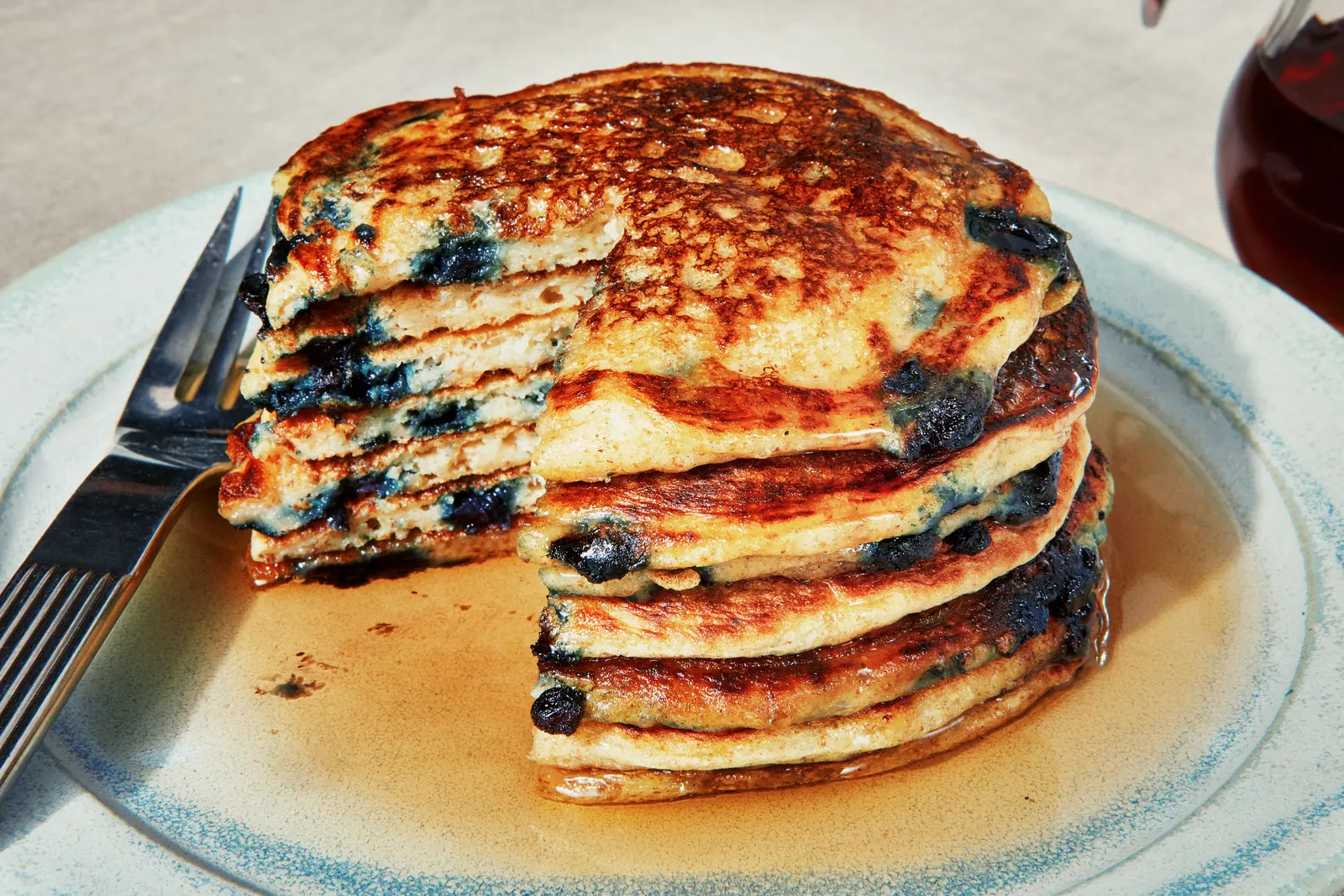
Blueberry Protein Pancakes: A Vegan Breakfast Revolution
Why Silken Tofu Works Better Than Powdered Protein
A new breakfast recipe is turning heads on social media, offering a protein-packed, dairy‑free alternative to traditional pancakes. The dish, created by a food blogger, uses silken tofu as the primary protein source, delivering a fluffy texture and a healthy protein boost without the need for powdered supplements.
Latest news
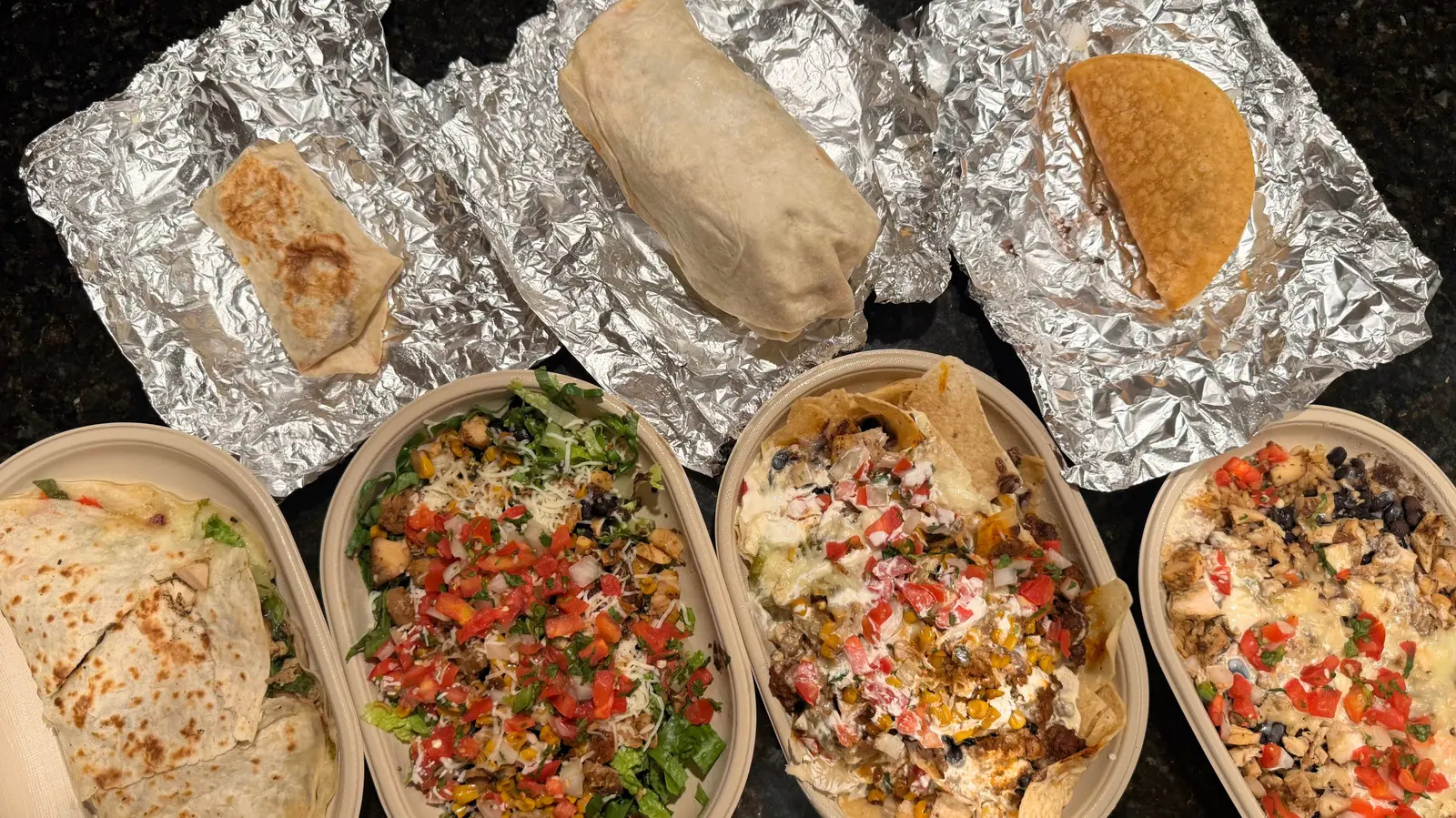 Moe's Southwest Grill Menu Items Ranked from Worst to Best
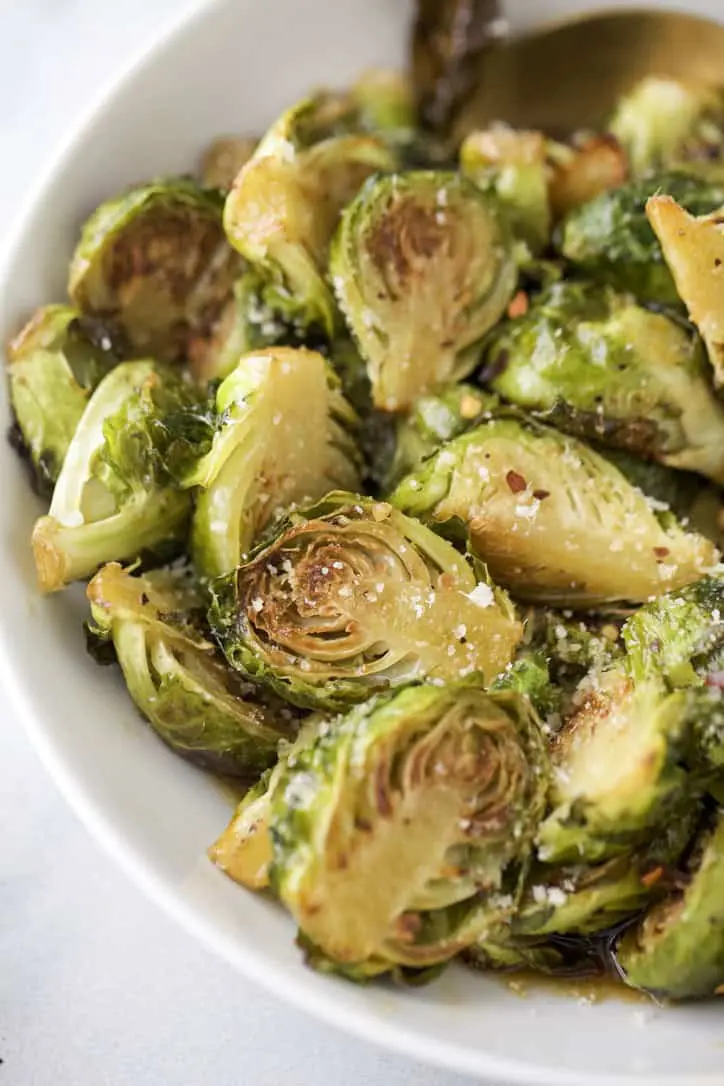 Hot Honey Brussels Sprouts: A Sweet‑Spicy Side That Turns Heads
 Turn Your Pasta Sauce Into a Nutritional Powerhouse
 West Coast IPAs vs East Coast IPAs: A Flavor Battle Across the United States
The recipe is simple: combine silken tofu, oat flour, baking powder, a splash of plant‑based milk, and fresh blueberries. After whisking to a smooth batter, cook on a lightly greased skillet until golden edges form. The result is a stack of pancakes that are crisp on the outside, tender inside, and rich in protein—about 12 grams per serving—making it a perfect start to a busy day.
Can This Recipe Replace Traditional Pancakes for Athletes?
Silken tofu provides a neutral flavor and a creamy consistency that blends seamlessly with the other ingredients. Unlike whey or pea protein powders, tofu does not alter the taste profile of the pancakes, keeping the blueberry flavor prominent. Additionally, tofu contains all nine essential amino acids, ensuring a complete protein source for vegetarians and vegans. The recipe’s low-fat, high-fiber content also supports digestive health and sustained energy release.
The blogger notes that the absence of added sugars or artificial thickeners keeps the dish clean and wholesome. By using oat flour, the batter gains natural sweetness and a subtle nutty undertone, complementing the tartness of the blueberries. The combination of plant‑based proteins and whole‑grain flour creates a balanced macro profile, appealing to fitness enthusiasts and health‑conscious diners alike.
Future Trends: Protein‑Rich, Plant‑Based Breakfasts
Many athletes seek high‑protein breakfasts that are quick to prepare. This tofu‑based pancake offers an alternative that meets those needs without compromising on flavor. The protein content rivals that of a standard egg‑based pancake, while the absence of dairy makes it suitable for those with lactose intolerance. Nutritionists suggest pairing the pancakes with a drizzle of pure maple syrup or a handful of nuts to increase healthy fats and antioxidants.
However, the recipe’s reliance on silken tofu may not suit everyone. Those unfamiliar with tofu might find the texture unfamiliar, and the flavor profile can differ from the classic fluffy pancake. For those who prefer a more traditional taste, adding a pinch of vanilla extract or a splash of almond milk can help bridge the gap.
The recipe’s versatility also allows for customization. Swapping blueberries for raspberries or adding a handful of chopped walnuts can alter the nutritional profile and taste. The blogger encourages experimentation, noting that the core principle—using tofu as a protein base—remains effective across various fruit combinations.
Frequently Asked Questions
The rise of plant‑based diets has spurred innovation in breakfast foods. This tofu‑pancake recipe exemplifies a broader trend toward high‑protein, low‑fat, and dairy‑free options that still satisfy flavor expectations. Food manufacturers are beginning to explore tofu‑based batter mixes, and grocery stores are stocking ready‑to‑cook plant‑protein pancakes. As consumer demand grows, we can expect more creative takes on classic breakfast staples, blending nutrition with convenience.
The recipe’s success highlights the potential for tofu to replace traditional protein sources in everyday cooking. By offering a tasty, protein‑dense alternative, it paves the way for healthier breakfast choices that cater to diverse dietary preferences.
Content written by Rebecca Firkser for fancy-meals.com editorial team, AI-assisted.