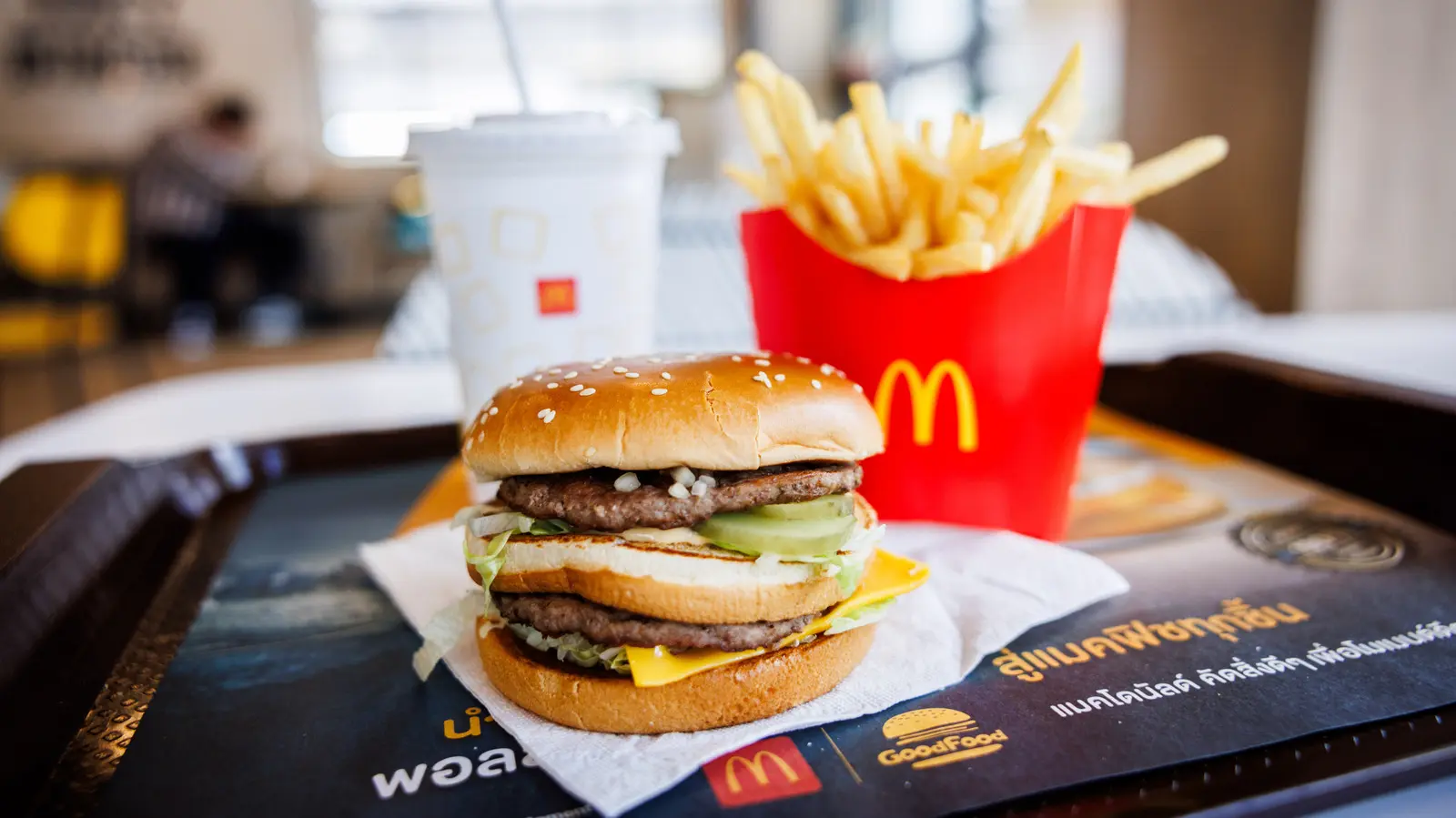
What Actually Makes a Big Mac So Unhealthy?
Nutritional Breakdown of the Big Mac
The McDonald's Big Mac remains one of the most recognizable fast food items worldwide, yet its nutritional profile raises concerns for health-conscious consumers. Despite its popularity, the burger contains high levels of calories, saturated fat, and sodium that contribute to its reputation as an unhealthy choice. Understanding the specific components behind this assessment helps clarify why nutritionists often advise moderation when consuming such menu items.
Latest news
 Costco's Frozen Dumpling Lineup, Ranked From Least To Most Tasty
 Best stainless-steel frying pans 2026: expert-tested picks for searing, eggs and daily cooking
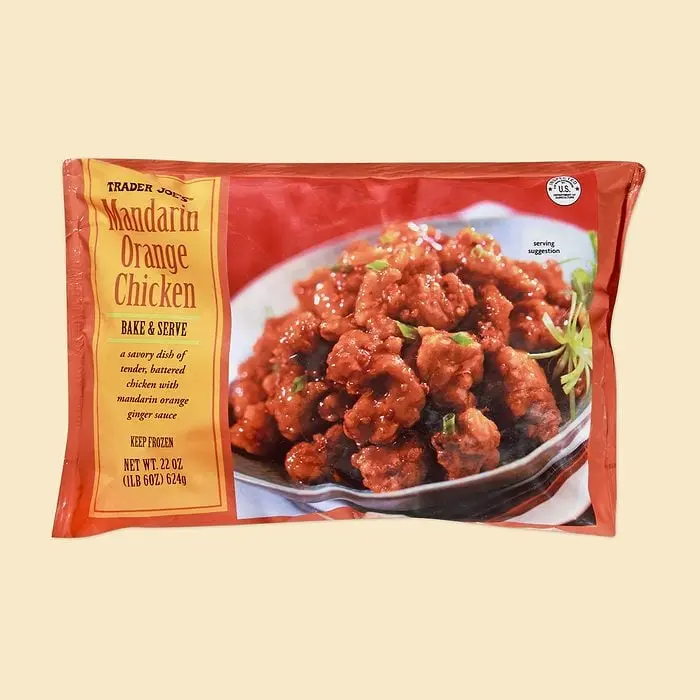 Trader Joe’s First‑Time Shopper Guide: Must‑Try Items
 Panda Express vs P.F. Chang's: Which Orange Chicken Is Healthier?
A single Big Mac contains approximately 540 calories, with 28 grams of fat, 10 grams of which are saturated. It also delivers 950 milligrams of sodium and 9 grams of sugar. These figures represent a significant portion of daily recommended limits, particularly for saturated fat and sodium, which are linked to cardiovascular risks when consumed excessively. The bun, special sauce, cheese, and beef patties all contribute to this nutritional load, with the sauce alone adding considerable sugar and fat content.
How Ingredients Combine to Create Health Concerns
The combination of refined carbohydrates in the sesame seed bun, processed cheese, and the proprietary special sauce creates a meal high in glycemic load and low in essential nutrients. While the burger provides 25 grams of protein, this benefit is offset by the lack of fiber, vitamins, and minerals typically found in whole food alternatives. The processing methods used for the beef patties and the additives in the sauce further reduce the overall nutritional quality, making it a source of empty calories for many dietary guidelines.
Frequent intake of foods like the Big Mac, which are high in saturated fat and sodium, may increase the risk of developing hypertension, high cholesterol, and insulin resistance over time. Nutrition experts emphasize that occasional consumption within a balanced diet is unlikely to cause harm, but regular reliance on such items displaces more nutritious options. Public health recommendations continue to encourage limiting processed fast food in favor of meals rich in vegetables, lean proteins, and whole grains.
What Are the Long-Term Implications of Regular Consumption?
Is the Big Mac unhealthy because of its calorie count alone? No, while the 540-calorie count is notable, the primary concerns stem from its high saturated fat and sodium content, which pose greater risks to heart health than calories alone.
Frequently Asked Questions
Can removing the special sauce make the Big Mac significantly healthier? Eliminating the sauce reduces sugar and fat by roughly 100 calories and 5 grams of fat, but the burger remains high in saturated fat and sodium due to the beef, cheese, and bun.
Are there healthier alternatives at McDonald's that still satisfy a burger craving? Options like the grilled chicken sandwich or a hamburger without cheese offer lower calorie, fat, and sodium counts while providing similar satisfaction with better nutritional balance.
Content written by Tasting Table for fancy-meals.com editorial team, AI-assisted.