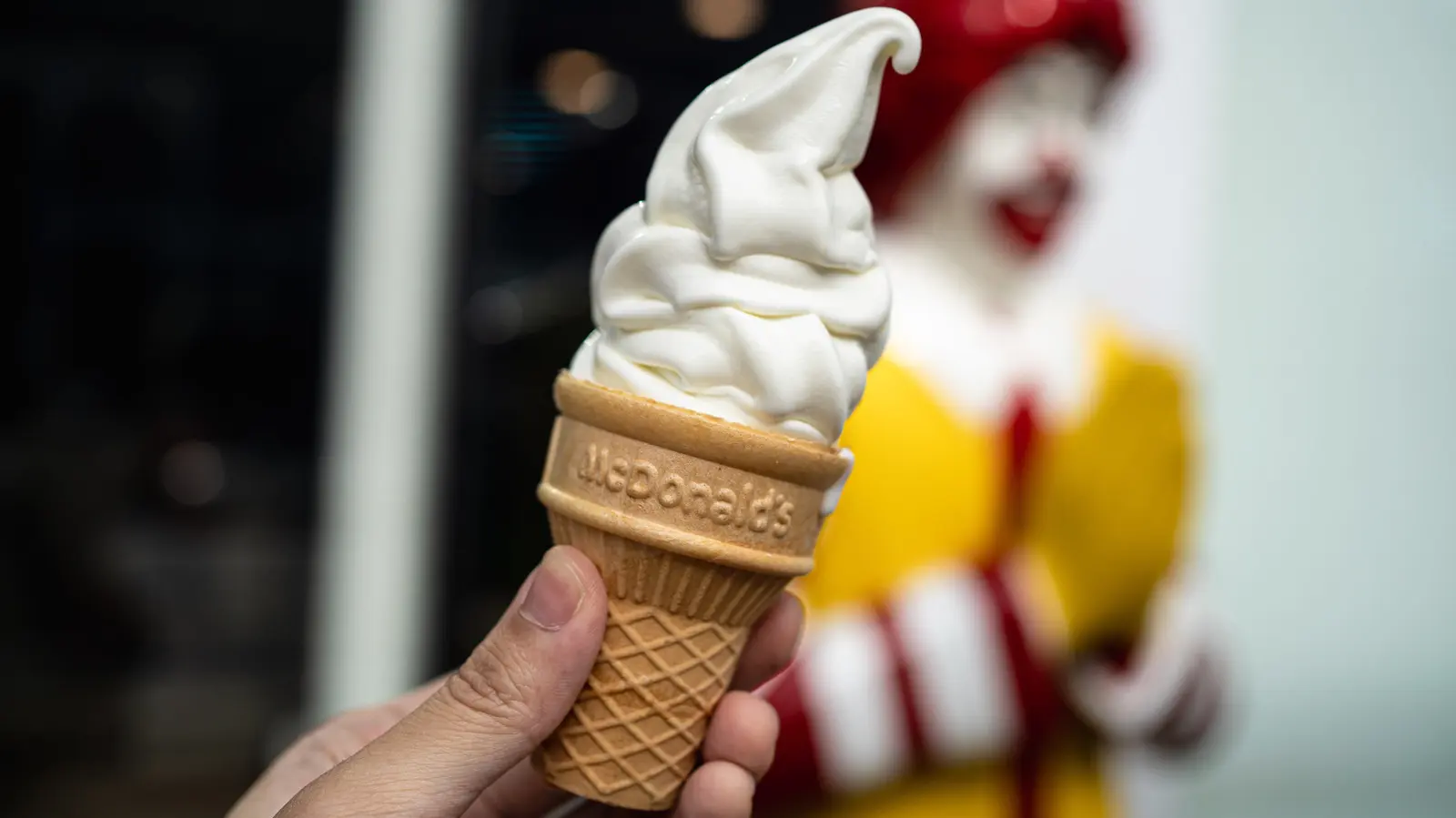
Why McDonald's Ice Cream Tastes So Good (When The Machine Actually Works)
What Makes the Formula Stand Out
McDonald's ice cream has long been a subject of fascination and frustration for customers, often praised for its creamy texture and distinct flavor when available, yet frequently inaccessible due to recurring machine malfunctions. The treat, a staple of the fast-food chain's dessert menu, relies on a specific formulation and precise serving temperature to achieve its signature smoothness, which many fans argue surpasses that of traditional soft-serve offerings. Despite its popularity, the inconsistency in availability has turned a simple indulgence into a rare occurrence for many patrons.
Latest news
 The Ultimate Homemade Chili Recipe for Cold Weather
 The Nutritional Power of Pumpkin Beyond Seasonal Desserts
 A Culinary Journey Through the 30th Epcot International Food and Wine Festival
 Burger King Unleashes Hello Kitty Kids' Meal with Ultra-Rare Golden Collectible
The unique taste and texture of McDonald's ice cream stem from its lower fat content compared to regular ice cream, combined with a higher air incorporation during freezing, resulting in a lighter, softer product. This process, known as overrun, is carefully calibrated to maintain consistency across locations, though it requires machines to function optimally and be cleaned regularly—factors that often contribute to downtime. When operational, the dessert delivers a mild vanilla flavor that is neither overly sweet nor artificial, appealing to a broad audience seeking a quick, refreshing treat.
Can Technology Fix the Persistent Problem
The ice cream mix used by McDonald's contains specific stabilizers and emulsifiers that prevent ice crystal formation and enhance mouthfeel, contributing to its velvety consistency. Unlike homemade or premium ice creams that rely on high fat content for richness, McDonald's version achieves its appeal through texture engineering rather than dairy intensity. This approach allows for faster freezing and serving, aligning with the chain’s emphasis on speed and efficiency. Employees are trained to monitor machine performance, but complex maintenance schedules and parts shortages have historically hindered reliability, leading to the widespread meme of the perpetually broken ice cream machine.
In recent years, McDonald's has invested in upgraded equipment and remote monitoring systems to reduce machine failures, aiming to improve uptime and customer satisfaction. Some locations now feature newer models designed for easier cleaning and diagnostics, which could minimize the lengthy downtimes associated with traditional units. While these upgrades show promise, widespread implementation remains gradual, leaving many customers still dependent on luck when seeking a cone or sundae. The company continues to balance operational demands with the desire to deliver a consistently enjoyable dessert experience.
Frequently Asked Questions
Why does McDonald's ice cream taste different from other soft serve? Its lower fat content and precise air incorporation create a lighter, smoother texture that distinguishes it from richer, denser alternatives.
Are all McDonald's locations affected by machine issues? While problem frequency varies by location and equipment age, reports of malfunctioning ice cream machines have been documented across numerous regions, suggesting a systemic challenge tied to maintenance and machine design.
Content written by Isabelle Fontaine for fancy-meals.com editorial team, AI-assisted.