The Ultimate Cottage Cheese Showdown: A Flavor Journey
Unpacking the Curd Quality
A recent taste test explored eight popular cottage cheese brands. The goal was to identify the best option for everyday consumption. Brands were evaluated on texture, taste, and nutritional content. The results revealed significant differences across the market.
Latest news
 Moe's Southwest Grill Menu Items Ranked from Worst to Best
 Hot Honey Brussels Sprouts: A Sweet‑Spicy Side That Turns Heads
 Turn Your Pasta Sauce Into a Nutritional Powerhouse
 West Coast IPAs vs East Coast IPAs: A Flavor Battle Across the United States
The study aimed to guide consumers through the varied landscape of cottage cheese. It highlighted how even a seemingly simple product can differ greatly. Many factors contributed to the overall assessment.
What Makes a Cottage Cheese Truly Stand Out?
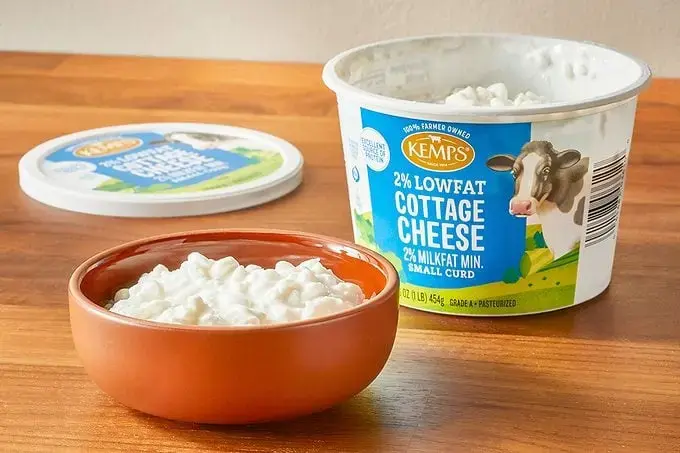
Kemps cottage cheese presented a creamy consistency. Its curds were acceptably textured. However, the taste was notably sour, almost artificial. This distinct flavor profile was a significant drawback.
Nutritionally, Kemps offered 12 grams of protein per half-cup serving. This is a respectable amount for a protein boost. Yet, it also contained 480 mg of sodium per serving. This high sodium content was a concern for many.
# What are the main factors in judging cottage cheese?
The brand might suit those who blend their cottage cheese. Its strong flavor could be masked in recipes. For direct consumption, it fell short. The artificial taste was a recurring comment.
The ideal cottage cheese balances flavor, texture, and nutrition. A pleasant, natural taste is paramount. The curds should be firm but not rubbery. Creaminess is also a key factor for many consumers.
Sodium levels are a critical consideration for health-conscious buyers. High protein content is often a desired attribute. The overall mouthfeel contributes significantly to enjoyment. Some brands excel in certain areas but falter in others.
# Can cottage cheese be used in recipes if the taste is not ideal on its own?
Ultimately, personal preference plays a large role. This comparison offers a starting point for consumers. It helps them navigate the many choices available. Finding a favorite often involves some trial and error.
Key factors include taste, texture of the curds, overall creaminess, and nutritional information. Sodium and protein content are often important considerations for consumers.
# Is high sodium content common in cottage cheese?
Yes, if a cottage cheese has an off-putting taste when eaten plain, it can often be incorporated into recipes. Blending it with other ingredients can help mask undesirable flavors.
Sodium content can vary significantly between brands. Some brands have notably high levels, which can be a concern for individuals monitoring their sodium intake.
Content written by Lucas Carter for fancy-meals.com editorial team, AI-assisted.