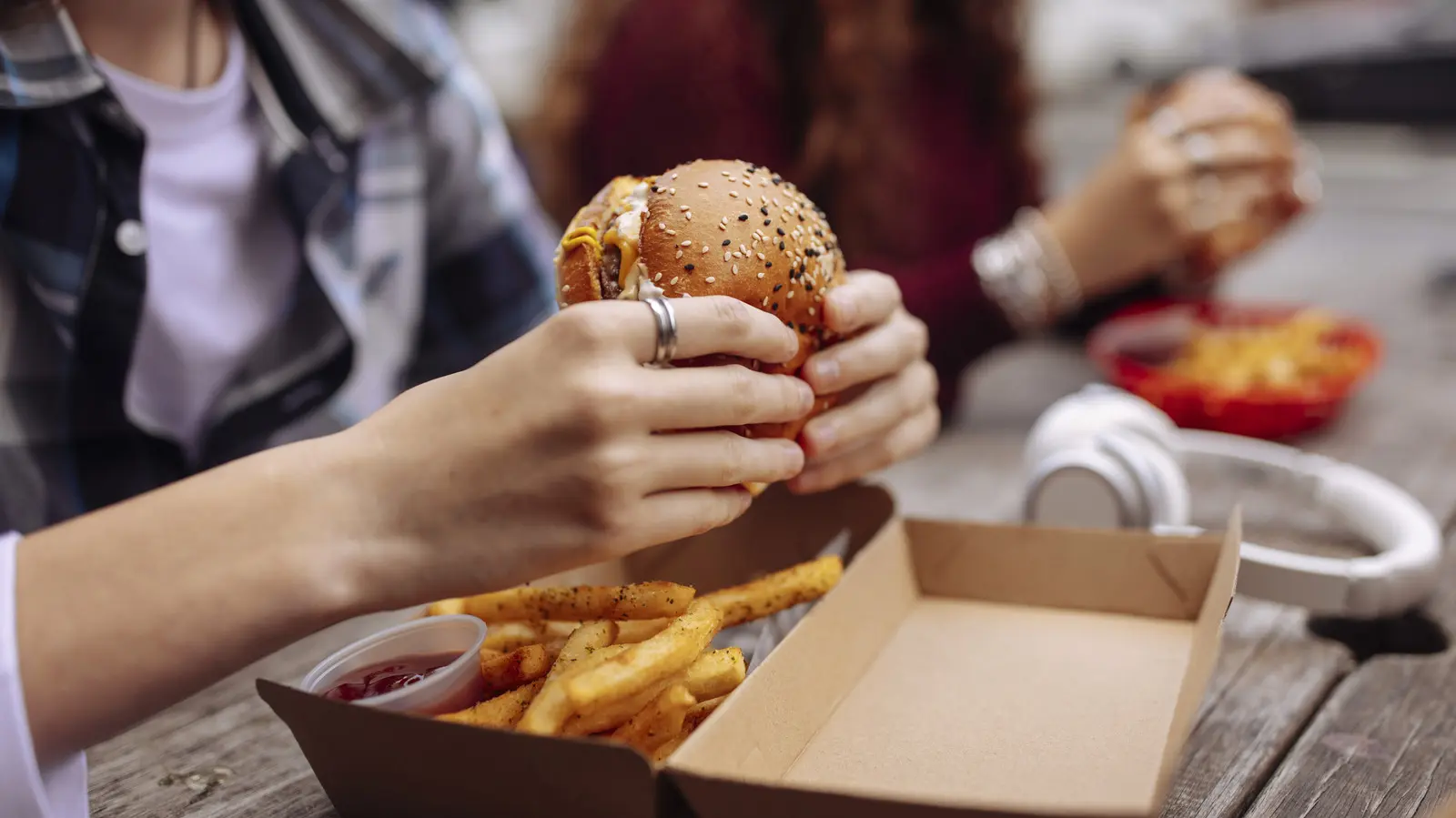
The Most Unhealthy Fast Food Cheeseburger Isn't From McDonald's Or Burger King
What Makes This Cheeseburger Particularly Harmful
A recent analysis reveals that the unhealthiest fast food cheeseburger does not come from the usual suspects like McDonald's or Burger King, but from a lesser-known chain whose nutritional profile exceeds even the most indulgent options in saturated fat, sodium, and processed ingredients. The findings challenge common assumptions about which brands pose the greatest dietary risks.
Latest news
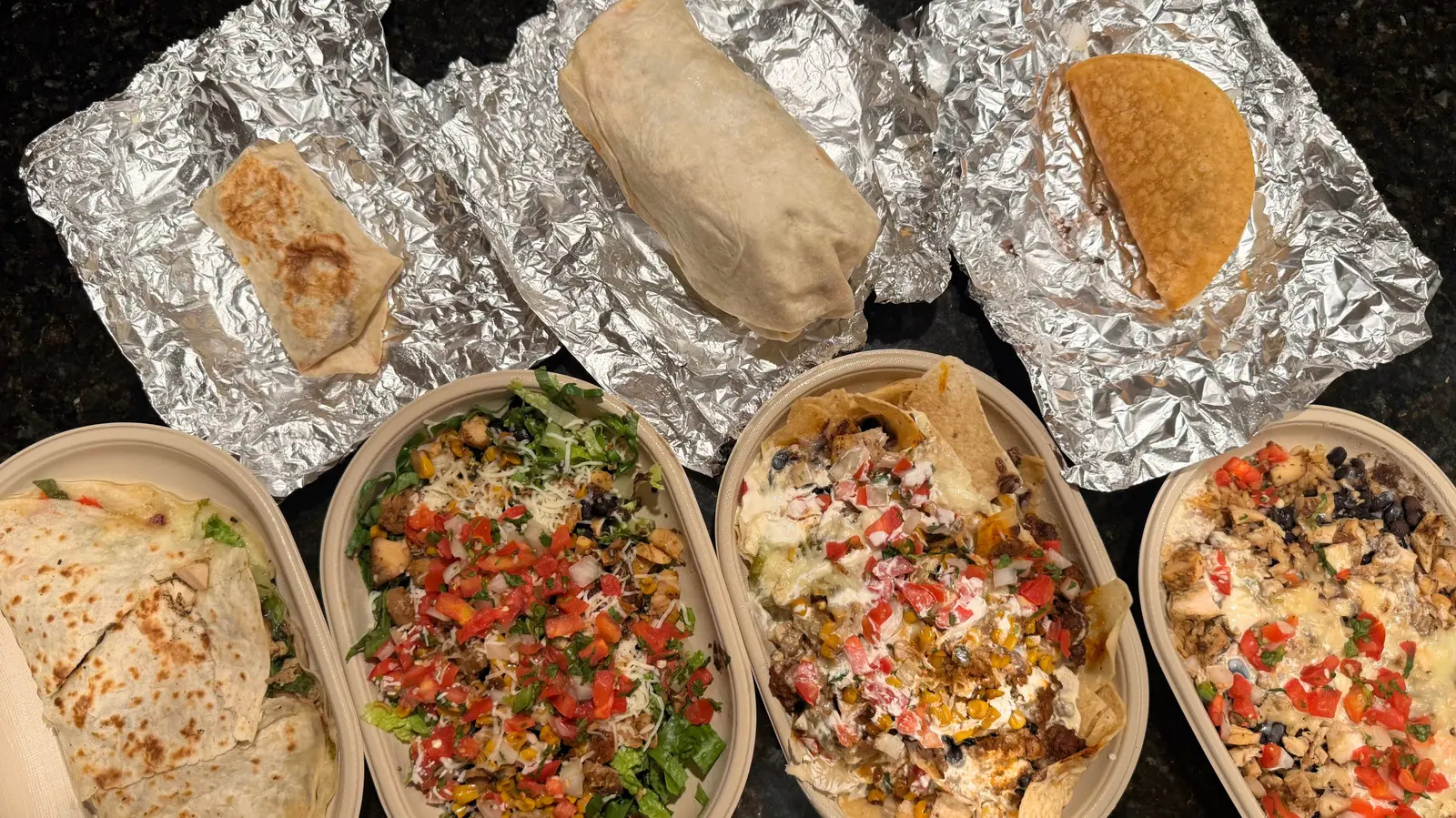 Moe's Southwest Grill Menu Items Ranked from Worst to Best
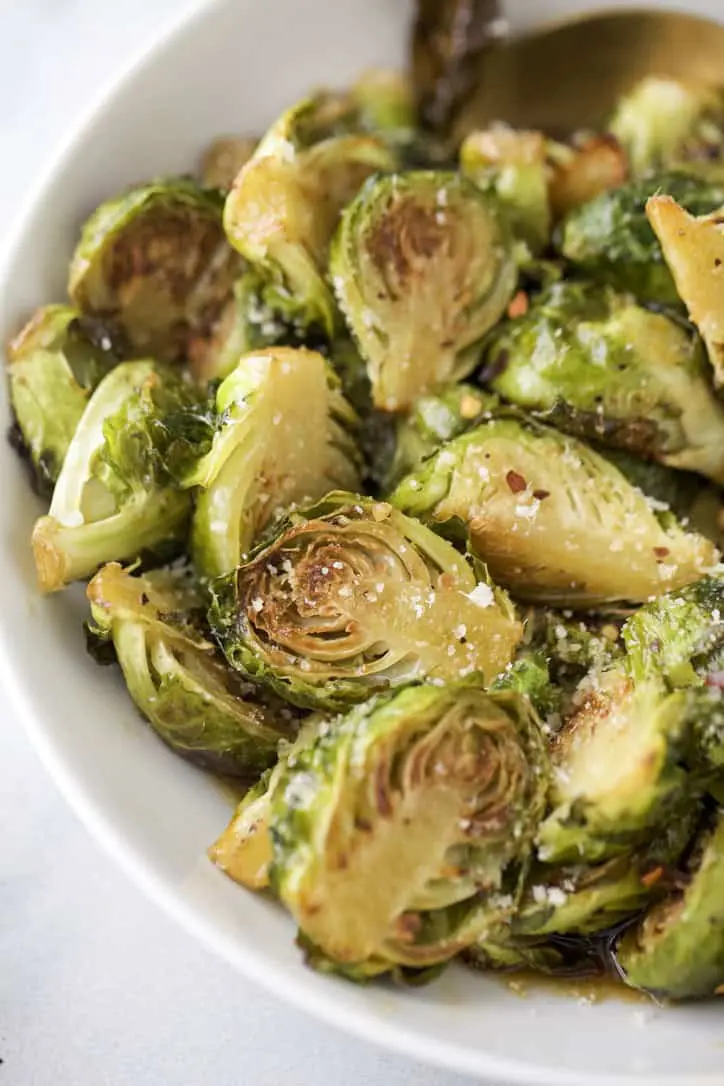 Hot Honey Brussels Sprouts: A Sweet‑Spicy Side That Turns Heads
 Turn Your Pasta Sauce Into a Nutritional Powerhouse
 West Coast IPAs vs East Coast IPAs: A Flavor Battle Across the United States
The study evaluated cheeseburgers across major fast food chains, focusing not just on calorie count but on the quality of ingredients, additive content, and long-term health implications. Researchers found that one regional chain's signature cheeseburger contained alarmingly high levels of preservatives and artificial flavor enhancers, compounded by a bun made with refined sugars and dough conditioners rarely disclosed to consumers. This combination creates a metabolic burden far beyond what calorie labels suggest.
Nutrition experts point to the burger's use of processed cheese substitutes that contain trans-fat-like compounds, even when labeled as zero trans fatdue to serving size loopholes. The patty itself, while sourced from beef, includes fillers and texturizers that reduce protein quality and increase glycemic impact. When combined with a high-fructose corn syrup-laden sauce and a sesame seed bun treated with preservatives like calcium propionate, the meal triggers inflammatory responses linked to chronic disease.
One dietitian involved in the analysis noted, People assume avoiding the biggest chains means they're making a healthier choice, but that's not always true when it comes to ingredient transparency and processing levels. Are Consumers Being Misled by Labeling Practices?
Frequently Asked Questions
The research highlights how serving size manipulation and vague ingredient lists allow certain chains to market products as relatively healthy while delivering disproportionate amounts of harmful additives. Unlike McDonald's and Burger King, which have faced public pressure to improve menu transparency, this chain operates with less scrutiny despite offering nutritionally inferior options. Critics argue that current labeling regulations fail to capture the cumulative effect of multiple additives in a single meal.
Without stricter oversight, consumers may continue to unknowingly select meals that pose significant health risks, believing they are making safer choices based on brand perception alone.
Which fast food chain was found to have the unhealthiest cheeseburger? The study did not name the specific chain directly but indicated it is a regional operator with limited national presence, distinguishing it from McDonald's and Burger King.
Why aren't calorie counts enough to judge a burger's health impact? Calories don't reflect ingredient quality, additive content, or metabolic effects of preservatives and refined carbohydrates, which can influence health independently of energy content.
What should consumers look for when choosing a fast food burger? Experts recommend checking for whole food ingredients, minimal preservatives, and avoiding items with long lists of unrecognizable additives, even if the calorie count appears moderate.
Content written by Tasting Table for fancy-meals.com editorial team, AI-assisted.