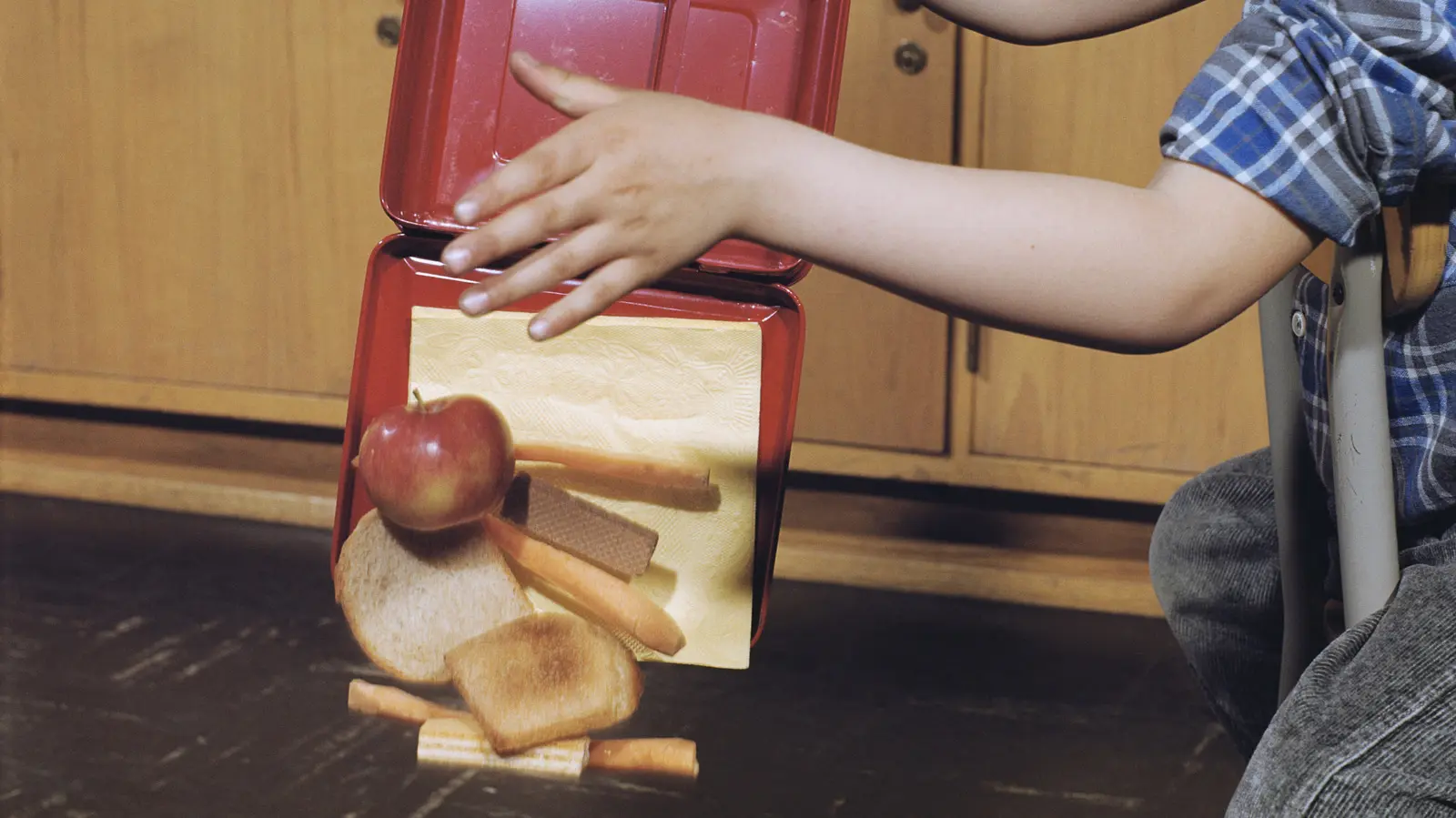
The 1950s School Lunch: Tuna, Hot Dog Buns and Nostalgic Simplicity
How the Lunch Program Influenced Modern School Meals
In the early 1950s, American schools served a lunch that many today find oddly familiar. Students across the country ate a simple meal of canned tuna, hot dog buns, and a handful of other basic items. This routine, delivered in cafeteria trays, reflected the era’s economic constraints and the post‑war emphasis on quick, inexpensive nutrition.
Latest news
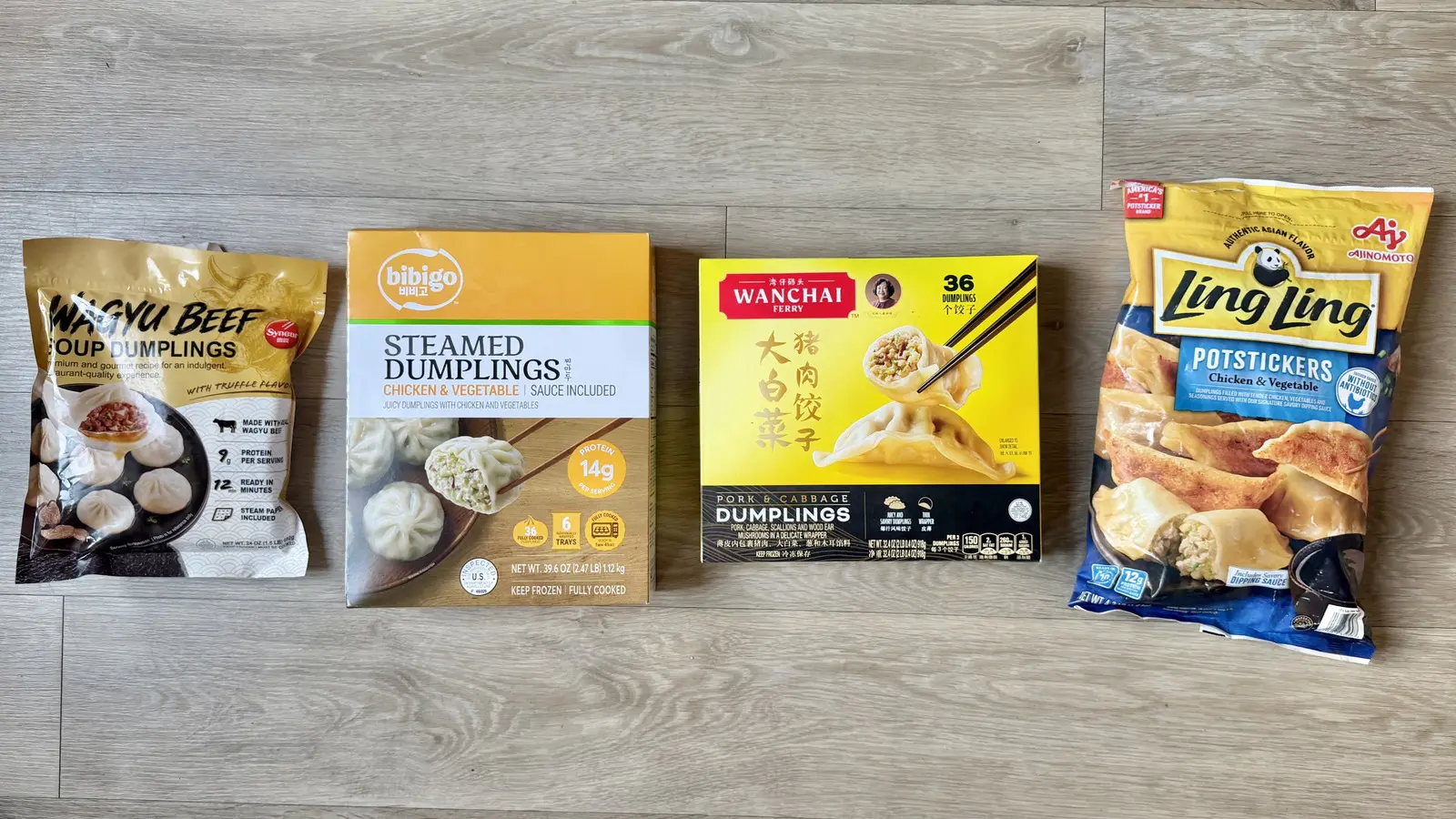 Costco's Frozen Dumpling Lineup, Ranked From Least To Most Tasty
 Best stainless-steel frying pans 2026: expert-tested picks for searing, eggs and daily cooking
 Trader Joe’s First‑Time Shopper Guide: Must‑Try Items
 Panda Express vs P.F. Chang's: Which Orange Chicken Is Healthier?
The lunch program began in 1948, when the federal government introduced the National School Lunch Act. The goal was to provide children with a balanced meal while keeping costs low. Canned tuna and hot dog buns became staples because they were affordable, shelf‑stable, and easy to prepare in large quantities. Teachers and cafeteria workers would mix the tuna with mayonnaise, add a slice of cheese, and place the mixture in the buns. The result was a sandwich that could be assembled in minutes and served to hundreds of students.
The simplicity of the 1950s lunch also mirrored the era’s broader social context. After World War II, families were rebuilding, and many parents sought economical ways to feed their children. Schools stepped in to fill that gap, offering a standardized meal that could be replicated across districts. The canned tuna and hot dog bun combination was not only budget‑friendly but also provided a modest amount of protein and carbohydrates, meeting the nutritional guidelines of the time.
Why Some Parents Still Recall the Tuna Sandwich
The 1950s lunch model laid the groundwork for today’s school meal programs. While modern menus now feature fresh produce and diverse protein options, the underlying principle remains: deliver a nutritious, affordable meal quickly. The use of canned goods in the past taught schools how to manage inventory and reduce waste, lessons that still inform procurement strategies. Additionally, the emphasis on standardization helped establish a national framework for school nutrition, which continues to evolve with new dietary guidelines.
Many parents who grew up in the 1950s remember the tuna sandwich as a symbol of childhood simplicity. The sandwich’s texture—soft buns filled with creamy tuna—evokes a sense of comfort and routine. Even today, some schools experiment with „retro” lunch options to engage students and honor local history. However, contemporary regulations now require higher levels of fruit, vegetables, and whole grains, ensuring that modern lunches are healthier than their mid‑century counterparts.
The legacy of the 1950s lunch shows that while tastes and standards change, the core mission of school nutrition—providing children with a safe, balanced meal—remains constant. As schools continue to adapt to new dietary research, the humble tuna sandwich stands as a reminder of how far the program has come.
Frequently Asked Questions
What was the main ingredient in the 1950s school lunch? Canned tuna was the primary protein source, paired with hot dog buns and a few additional items.
How did the National School Lunch Act shape lunch menus? The Act set federal guidelines that emphasized affordability, standardization, and basic nutrition, leading to the widespread use of canned foods.
Are there any modern equivalents to the 1950s tuna sandwich? Today’s schools offer healthier versions with fresh ingredients, but some districts still serve tuna sandwiches to honor tradition while meeting current nutritional standards.
Content written by [email protected] (Mahalia Cooks) for fancy-meals.com editorial team, AI-assisted.