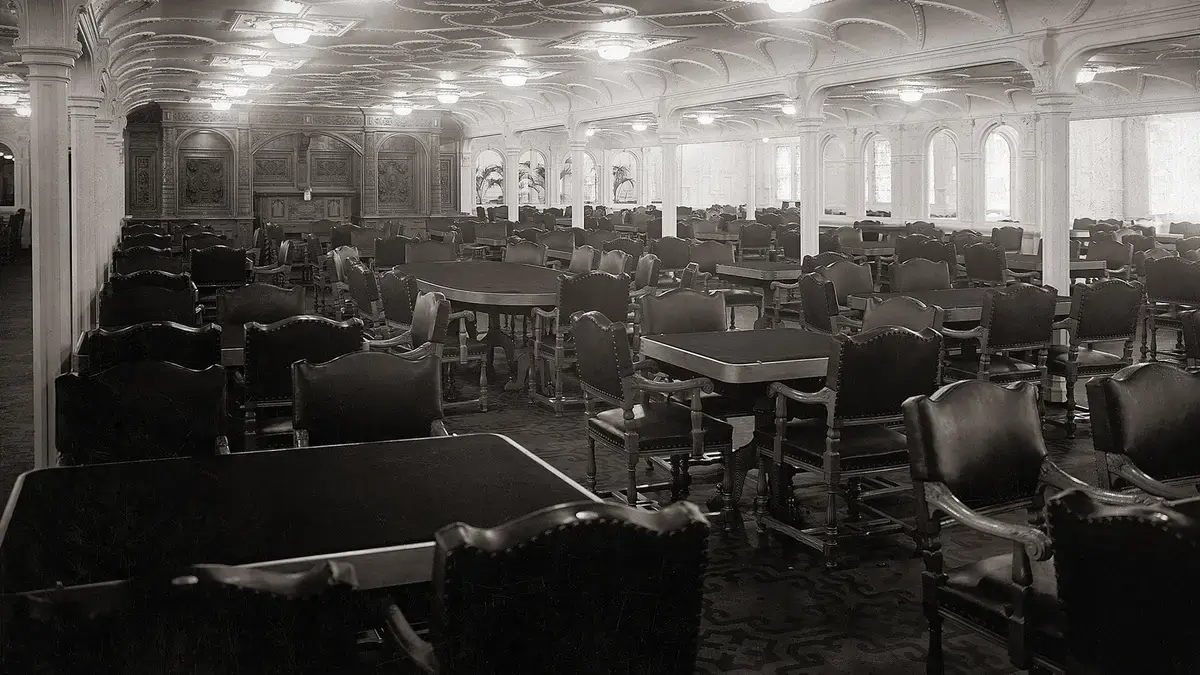
A Taste of Luxury and Simplicity: What Titanic Passengers Ate
First‑Class Feast: Gourmet Dishes on the Grand Staircase
On April 10, 1912, the RMS Titanic set sail from Southampton bound for New York, carrying over 2,200 passengers and crew. While the ship’s fate is well known, its menus reveal a stark contrast between first‑class indulgence, second‑class comfort, and third‑class simplicity.
Latest news
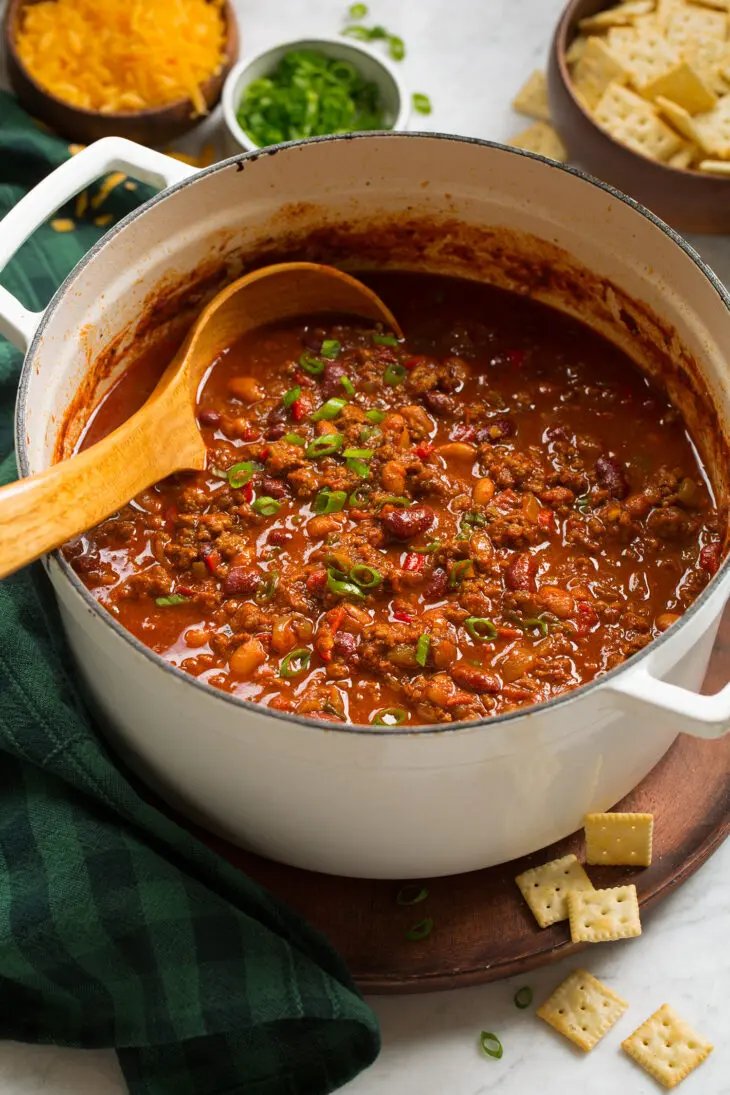 The Ultimate Homemade Chili Recipe for Cold Weather
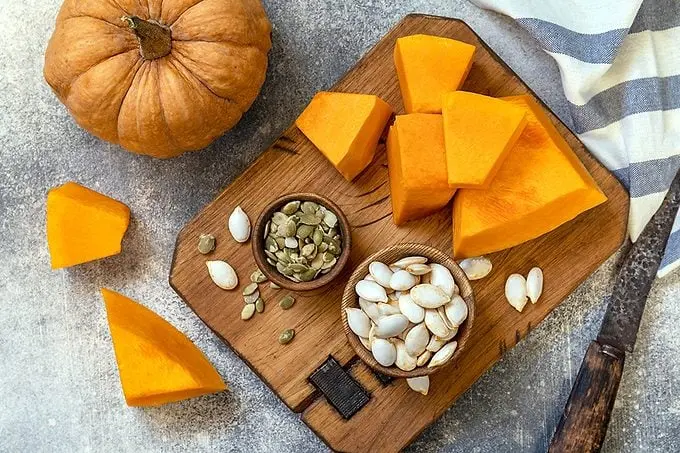 The Nutritional Power of Pumpkin Beyond Seasonal Desserts
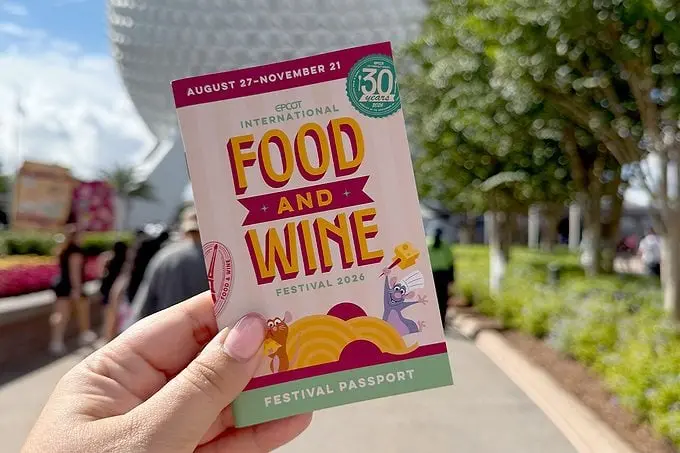 A Culinary Journey Through the 30th Epcot International Food and Wine Festival
 Burger King Unleashes Hello Kitty Kids' Meal with Ultra-Rare Golden Collectible
The culinary program was crafted by the ship’s head chef, Charles J. Joughin, who oversaw three distinct dining rooms. First‑class guests dined in opulent salons, enjoying multi‑course meals prepared with fresh Atlantic seafood and imported meats. Second‑class passengers received hearty British fare, while third‑class travelers were served basic, filling dishes designed to sustain long voyages.
First‑class diners began with oysters on the half shell, followed by consommé enriched with veal stock. Main courses featured filet mignon, poached salmon, and chicken a la king, each paired with fine wines from France and Italy. Desserts included Waldorf pudding, fresh fruit, and a selection of pastries. Historian Margaret L. Harrington notes, „The menu reflected the Edwardian elite’s desire for refinement, mirroring the grand ballrooms they frequented on land.” The elaborate service required a team of over 50 kitchen staff, ensuring each plate arrived at the polished mahogany tables in perfect condition.
Did Third‑Class Passengers Really Eat Only Gruel?
Contrary to popular myth, third‑class meals were more varied than simple gruel. Passengers were served boiled potatoes, cabbage, and pea soup, supplemented by occasional stews of beef or pork when supplies allowed. Breakfast often included oatmeal, bread, and tea, while evenings featured a modest stew of salted fish or pork with root vegetables. „The provisions were designed to be nutritious and economical,” explains maritime nutritionist Dr. Alan Whitaker, „providing enough calories for labor‑intensive passengers while minimizing waste.” The third‑class dining hall, located on the ship’s lower decks, could seat 600 people at a time, fostering a communal atmosphere despite the modest fare.
The legacy of Titanic’s menus endures in modern culinary recreations, with museums and chefs staging replica meals to honor the ship’s history. These events draw enthusiasts eager to taste the contrast between opulence and austerity that defined early 20th‑century travel. As interest grows, researchers continue to uncover menu cards and kitchen logs, offering deeper insight into the daily lives of those aboard the ill‑fated liner.
Frequently Asked Questions
What were the most popular drinks on the Titanic? First‑class passengers favored champagne, fine wines, and brandy, while second‑class guests often chose porter and tea. Third‑class travelers primarily drank tea, coffee, and occasionally milk.
How did the ship’s kitchen manage such a large operation? Chef Joughin supervised a brigade of cooks, stewards, and assistants who worked in a three‑deck kitchen. They used coal‑heated ovens and ice‑cooled storage to keep food fresh for the transatlantic crossing.
Are there surviving recipes from the Titanic’s menus? Yes, several original menu cards and cookbooks have been preserved in archives, allowing historians to reconstruct dishes such as the „Lobster Thermidor” and „Beef Tea” served on the voyage.
Content written by Isabelle Fontaine for fancy-meals.com editorial team, AI-assisted.