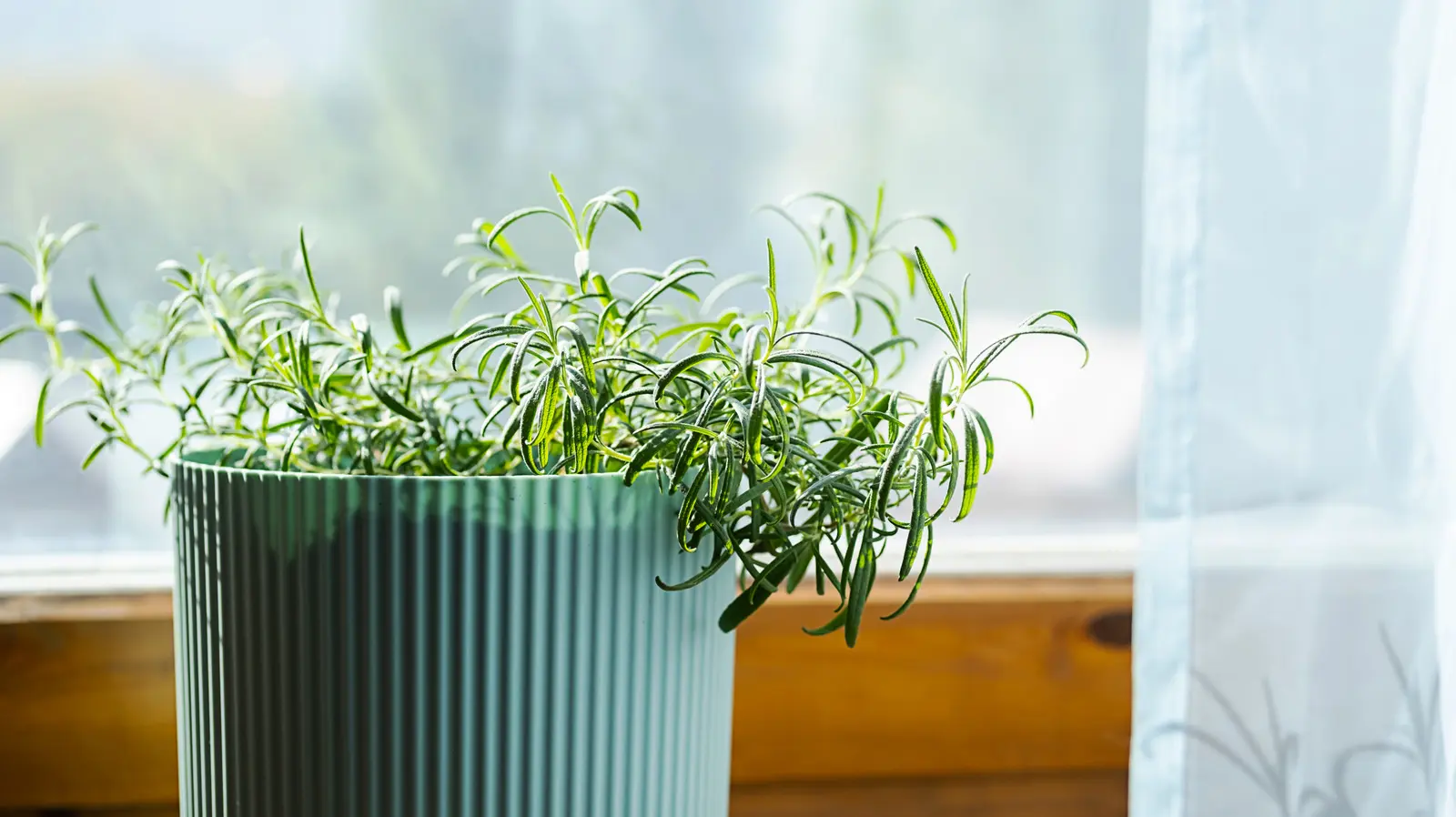
Indoor Herb Garden Fertilization: Finding the Right Balance
Understanding Herb Nutrition Needs
Indoor herb gardens bring fresh flavors to kitchens year-round, shielding plants from outdoor weather while delivering aromatic ingredients at their peak. However, proper nourishment through fertilization remains essential for healthy growth and robust flavor development.
Latest news
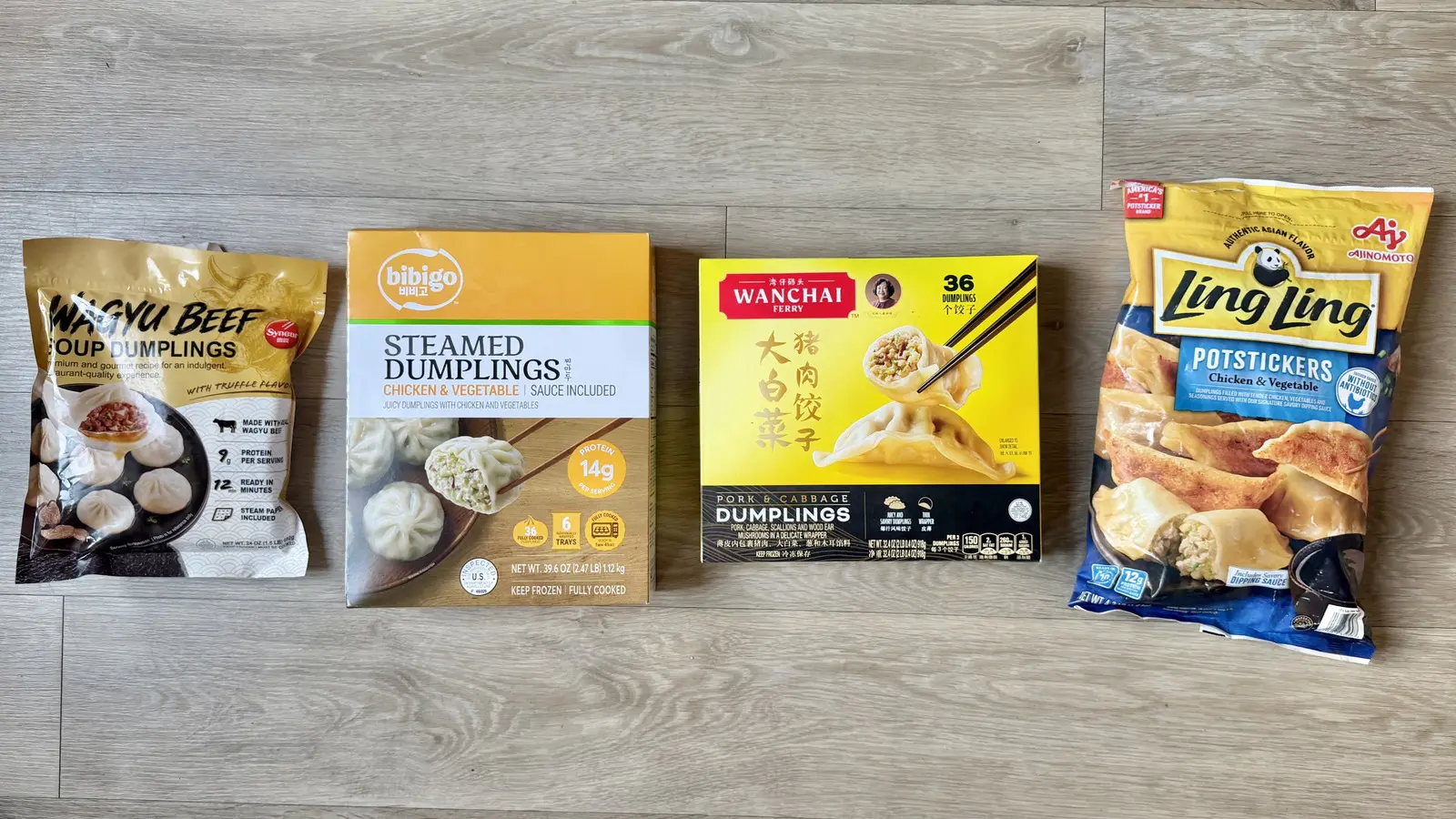 Costco's Frozen Dumpling Lineup, Ranked From Least To Most Tasty
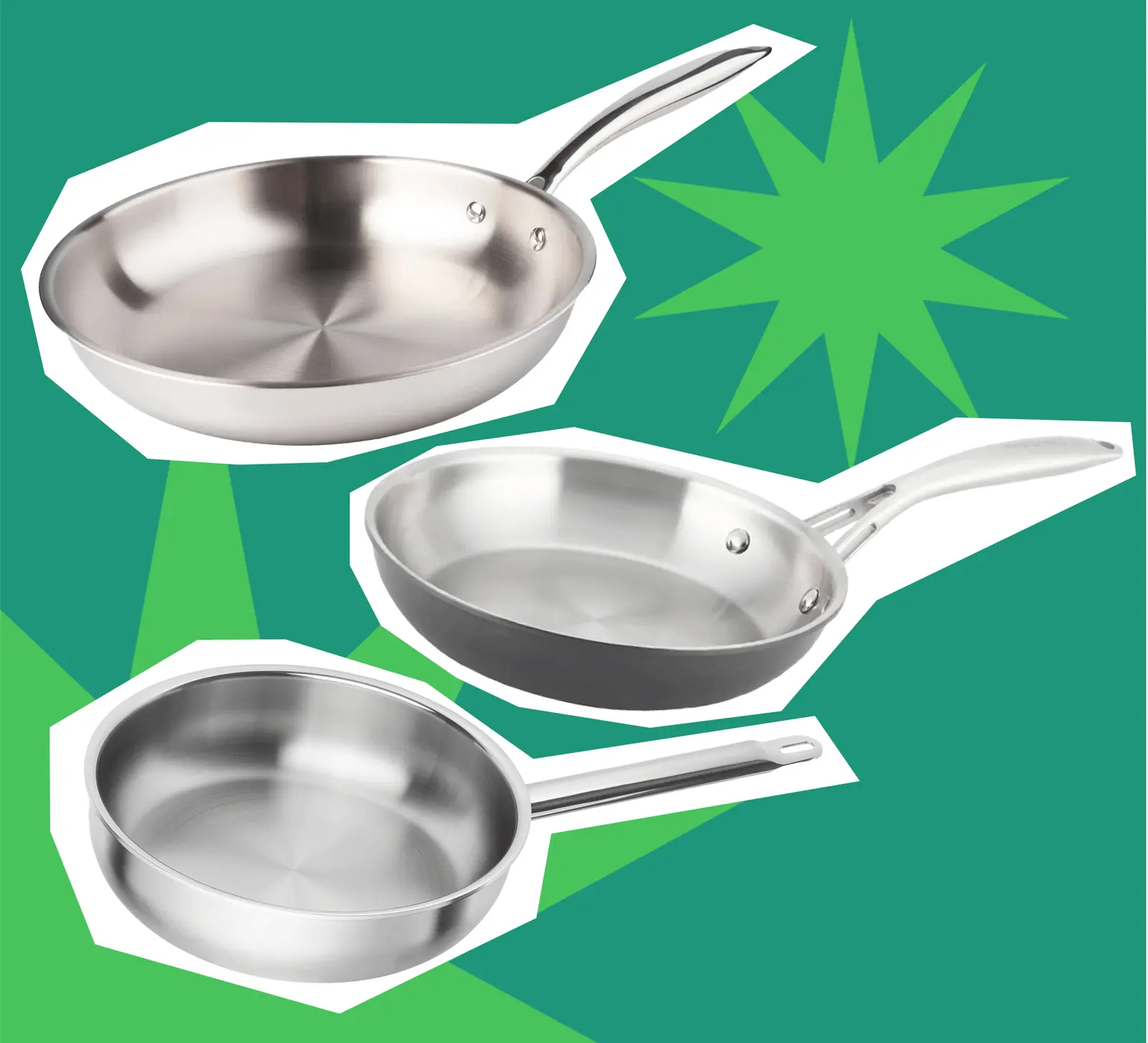 Best stainless-steel frying pans 2026: expert-tested picks for searing, eggs and daily cooking
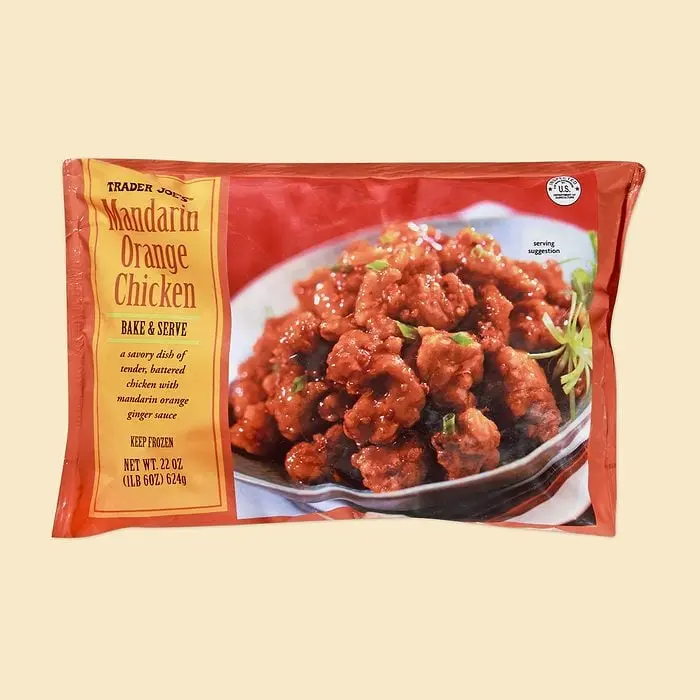 Trader Joe’s First‑Time Shopper Guide: Must‑Try Items
 Panda Express vs P.F. Chang's: Which Orange Chicken Is Healthier?
Many novice growers over-fertilize, thinking more is better, which can damage delicate root systems and lead to nutrient burn. Herbs actually require less feeding than most gardeners assume, particularly when using quality potting mixes that already contain some nutrients.
Herbs are adapted to thrive in lean soil conditions, which naturally limits their nutrient requirements. Over-fertilization causes plants to produce excessive foliage at the expense of essential oils that give herbs their distinctive flavors. Basil, rosemary, and thyme all prefer light feeding schedules rather than heavy applications.
Common Fertilization Mistakes and Solutions
The key is timing and dilution. Most indoor herbs benefit from fertilization every 4-6 weeks during active growing seasons. During winter months when growth slows naturally, reducing feeding to once every 8-10 weeks prevents unnecessary stress on the plants.
A frequent error involves using full-strength fertilizer on sensitive herb roots. Diluting solutions to half strength or using specialized liquid fertilizers designed for herbs significantly reduces risks of damage. Water-soluble formulas work best for container gardens, allowing plants to absorb nutrients gradually.
Another common mistake is fertilizing during transplant shock periods. Allow new plantings at least two weeks to establish before applying any nutrients. Similarly, avoid fertilizing immediately before harvest, as this can alter flavor profiles unpleasantly.
When to Adjust Your Fertilization Schedule
Growing conditions affect how often herbs need feeding. Bright, south-facing windows provide ideal conditions for most herbs, often requiring less supplemental feeding than lower-light environments. LED grow lights can also reduce feeding frequency since they provide consistent light quality.
Monitor plant health closely. Yellowing leaves may indicate underfeeding, while dark green, overly lush growth suggests over-fertilization. Root-bound plants in small containers often need more frequent feeding as nutrients become depleted faster.
How can you tell if you've over-fertilized your herbs? Look for dark green, leathery leaves growing excessively fast, or white salt crystals forming on the soil surface. These are clear signs of nutrient excess.
Frequently Asked Questions
Should you fertilize herbs in winter when they grow slowly? Reduce feeding significantly during dormant periods. Most indoor herbs need nourishment only once every two months during colder months.
What type of fertilizer works best for indoor herbs? Balanced liquid fertilizers diluted to half strength are ideal. Organic options like fish emulsion also work well and are gentler on sensitive roots.
With proper attention to feeding schedules and careful observation of plant health indicators, indoor herb gardens can flourish beautifully while delivering exceptional flavor in every dish prepared with home-grown ingredients.
Content written by Tasting Table for fancy-meals.com editorial team, AI-assisted.