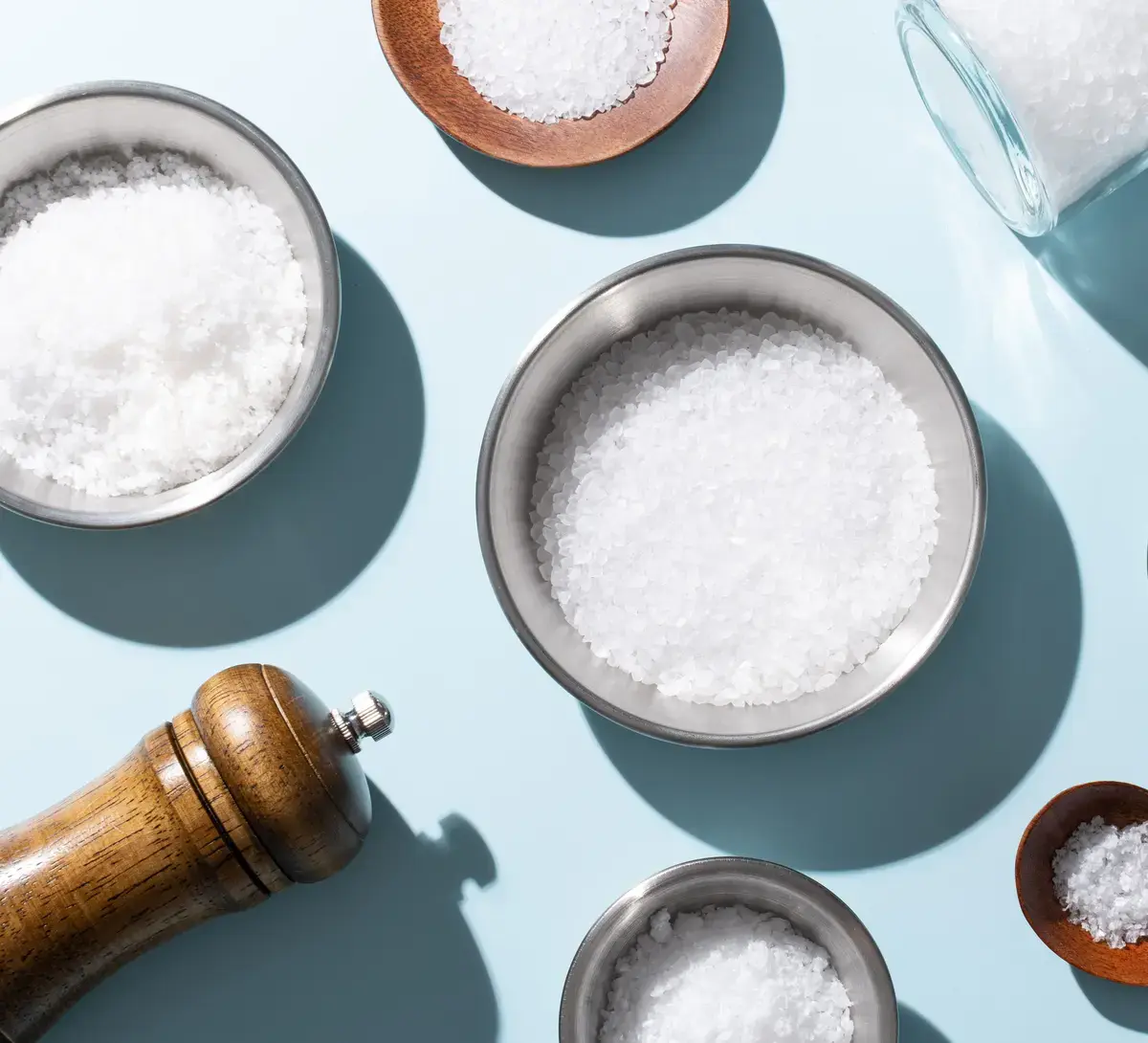
The Salt Conundrum: Balancing Flavor and Health
The Role of Salt in Our Diet
Registered nutritionist Jo Williams emphasizes the importance of moderation when it comes to salt consumption. With the rise of processed foods, our salt intake has increased, raising health concerns. Salt is a mineral composed primarily of sodium chloride, a simple yet crucial ingredient on the planet.
Latest news
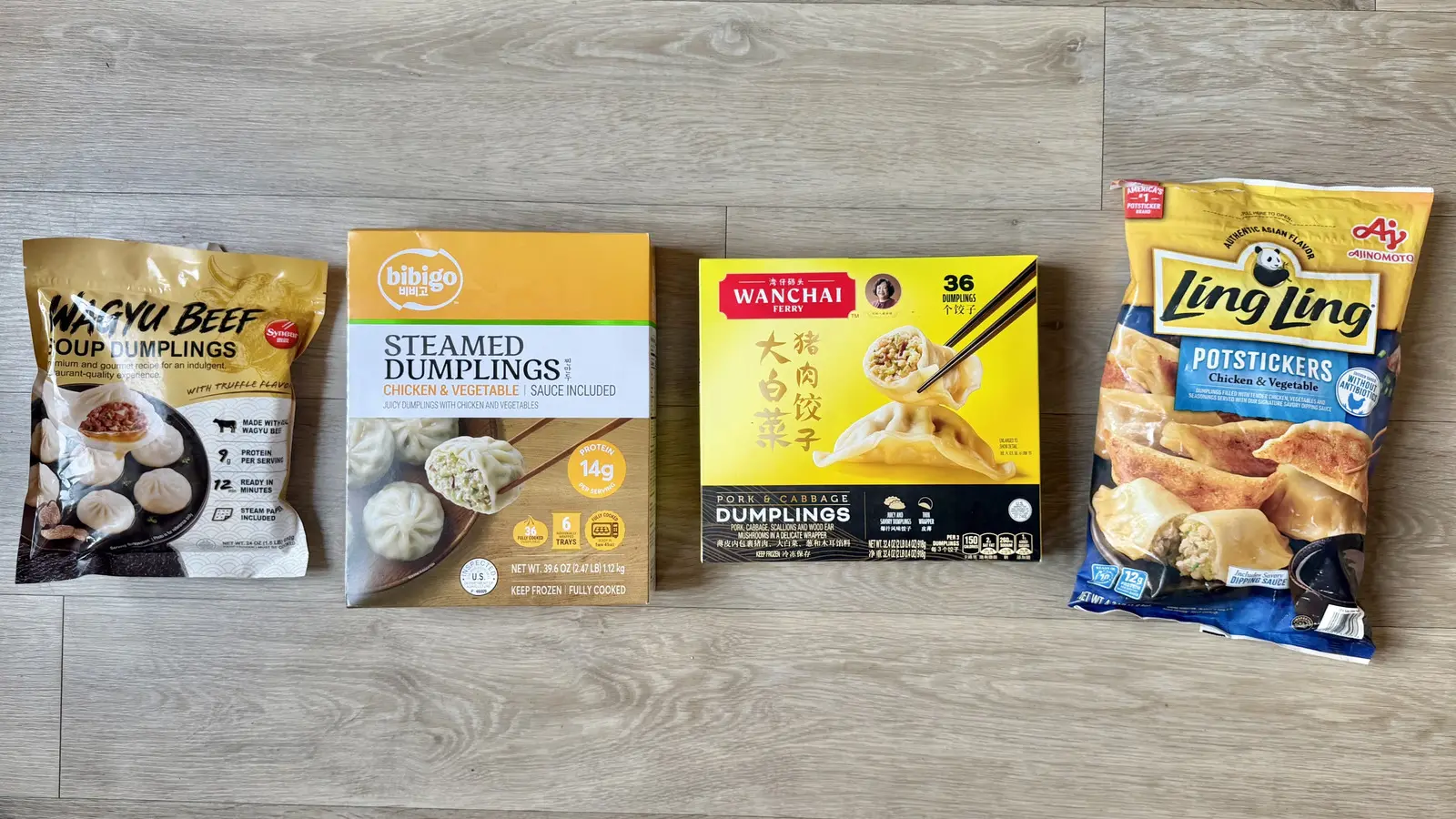 Costco's Frozen Dumpling Lineup, Ranked From Least To Most Tasty
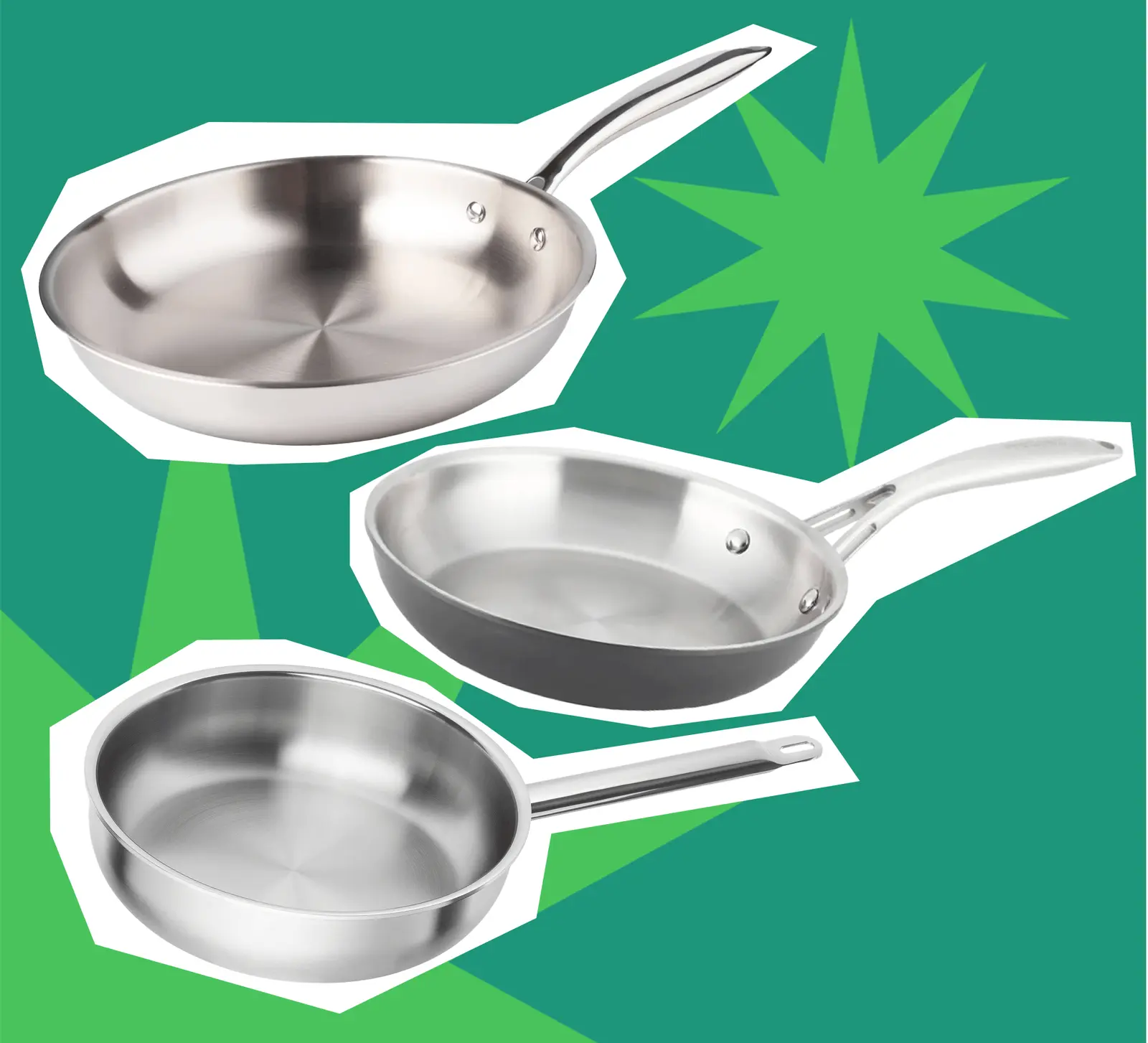 Best stainless-steel frying pans 2026: expert-tested picks for searing, eggs and daily cooking
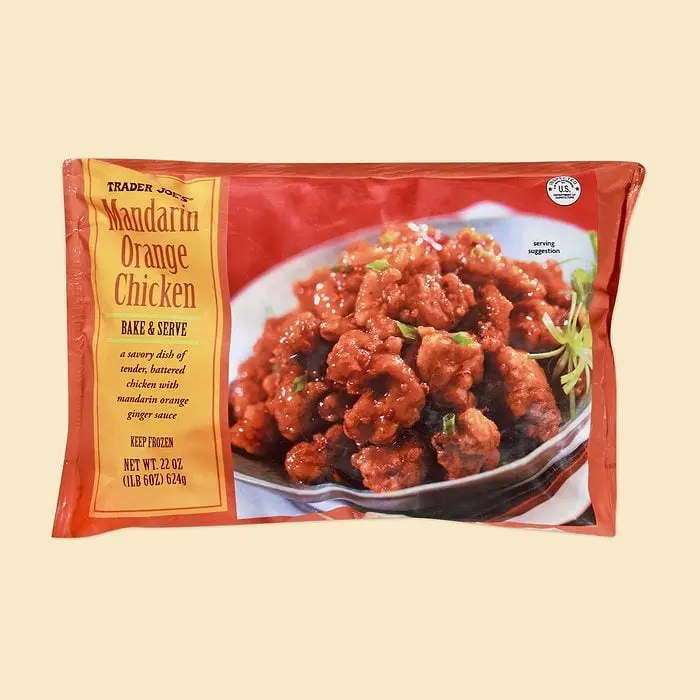 Trader Joe’s First‑Time Shopper Guide: Must‑Try Items
 Panda Express vs P.F. Chang's: Which Orange Chicken Is Healthier?
The average person consumes far more salt than necessary, with many processed foods containing high amounts of sodium. This excessive intake can lead to a range of health issues, including high blood pressure, heart disease, and kidney problems. Williams notes that the key is finding a balance between flavor and health.
Salt is an essential ingredient in many foods, adding flavor and texture to dishes. However, the overconsumption of salt can have severe consequences. According to Williams, the recommended daily intake of salt is around 6 grams, which is roughly one teaspoon. However, many people exceed this limit, consuming up to 10 grams or more per day.
Frequently Asked Questions
Williams stresses the importance of being mindful of salt intake, particularly in processed foods. Many people are unaware of the amount of salt in their diet, which can lead to excessive consumption,she warns. It's essential to read food labels and be aware of the ingredients used in cooking. How Much Salt is Too Much?
The amount of salt that is considered too muchvaries from person to person. However, consuming more than the recommended daily intake can lead to a range of health issues. Williams notes that some people may be more susceptible to the effects of excessive salt intake, including those with pre-existing medical conditions.
The risks associated with excessive salt intake are well-documented. High blood pressure, heart disease, and kidney problems are just a few of the potential consequences of consuming too much salt. Williams emphasizes the importance of finding a balance between flavor and health, recommending that people aim to reduce their salt intake gradually.
Content written by Isabelle Fontaine for fancy-meals.com editorial team, AI-assisted.