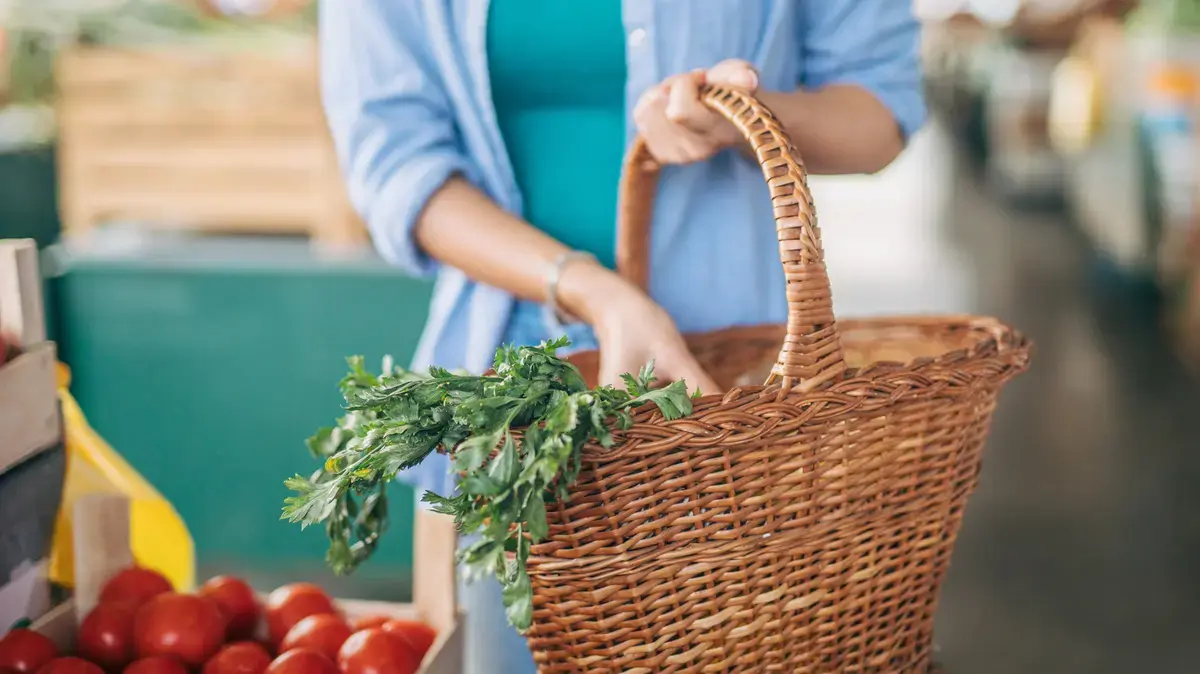
Essential Organic Produce Choices for Your Weekly Grocery List
Prioritizing High-Risk Produce Items
Health experts suggest that shoppers prioritize organic options for specific fruits and vegetables to minimize pesticide exposure. While organic eating remains a personal choice, research indicates that conventional farming methods often leave higher chemical residues on certain crops. Identifying which items are most critical to buy organic can help consumers manage their health and grocery budgets effectively.
Latest news
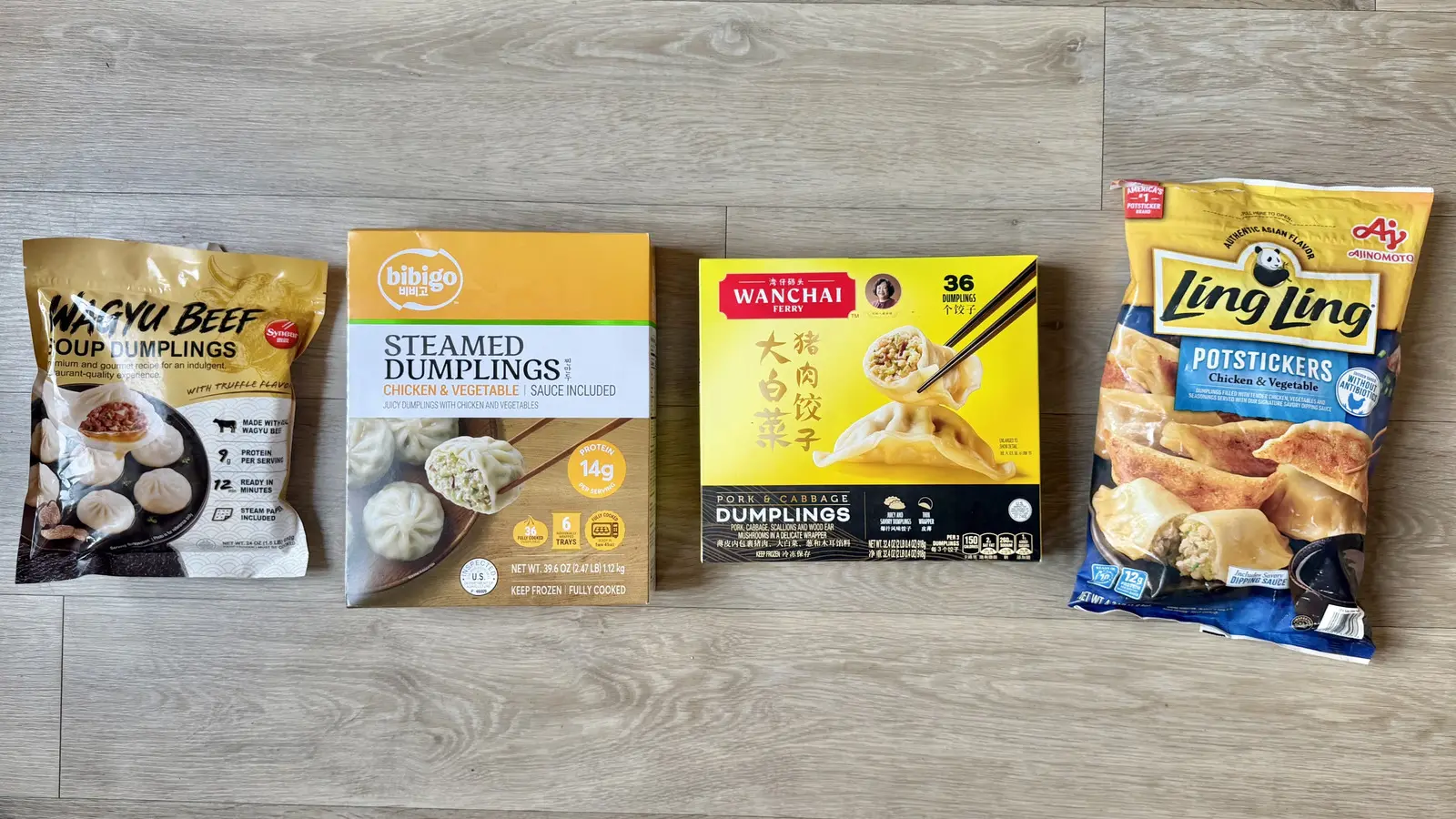 Costco's Frozen Dumpling Lineup, Ranked From Least To Most Tasty
 Best stainless-steel frying pans 2026: expert-tested picks for searing, eggs and daily cooking
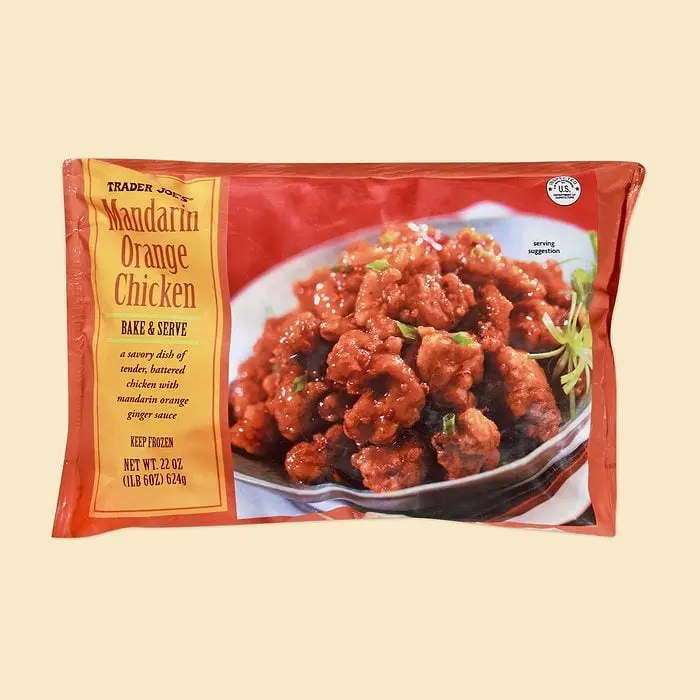 Trader Joe’s First‑Time Shopper Guide: Must‑Try Items
 Panda Express vs P.F. Chang's: Which Orange Chicken Is Healthier?
Conventional agricultural practices frequently utilize synthetic pesticides to protect crops from insects and disease. These residues can remain on the surface or be absorbed into the produce before reaching the supermarket. Nutritionists recommend focusing organic spending on items that consistently show the highest levels of chemical contamination during routine testing.
Strawberries, spinach, and kale are frequently cited as the most important items to purchase organic. These crops often have thin skins or complex surfaces that make them difficult to clean thoroughly. By choosing organic versions of these specific foods, shoppers can significantly reduce their daily intake of synthetic pesticides.
Are Organic Labels Worth the Extra Cost?
Other produce, such as apples, nectarines, and grapes, also appear on lists of items with higher chemical concentrations. When these fruits are grown conventionally, they are often treated with multiple types of pesticides throughout the growing season. Selecting organic varieties provides a cleaner alternative for families looking to limit chemical exposure in their diets.
Many consumers wonder if the price premium for organic food truly provides enough health benefits to justify the expense. While organic produce can be more expensive, experts argue that the long-term reduction in pesticide consumption is a valuable investment. Balancing your budget by buying organic only for the most contaminated items is a practical strategy for many households.
Frequently Asked Questions
Ultimately, the decision to switch to organic depends on individual health goals and financial priorities. Prioritizing the most vulnerable crops allows shoppers to make a meaningful impact without needing to replace every item in their pantry. Staying informed about current agricultural testing data helps consumers make confident decisions at the checkout counter.
Why is it important to prioritize specific organic foods? Certain fruits and vegetables are more prone to retaining pesticide residues due to their farming requirements and physical structure. Focusing on these specific items helps you minimize chemical exposure most effectively.
Does buying organic guarantee a healthier diet? Organic produce is free from synthetic pesticides, but it is still essential to maintain a balanced diet. You should focus on eating a wide variety of whole foods regardless of their organic or conventional status.
Content written by Victoria Lane for fancy-meals.com editorial team, AI-assisted.