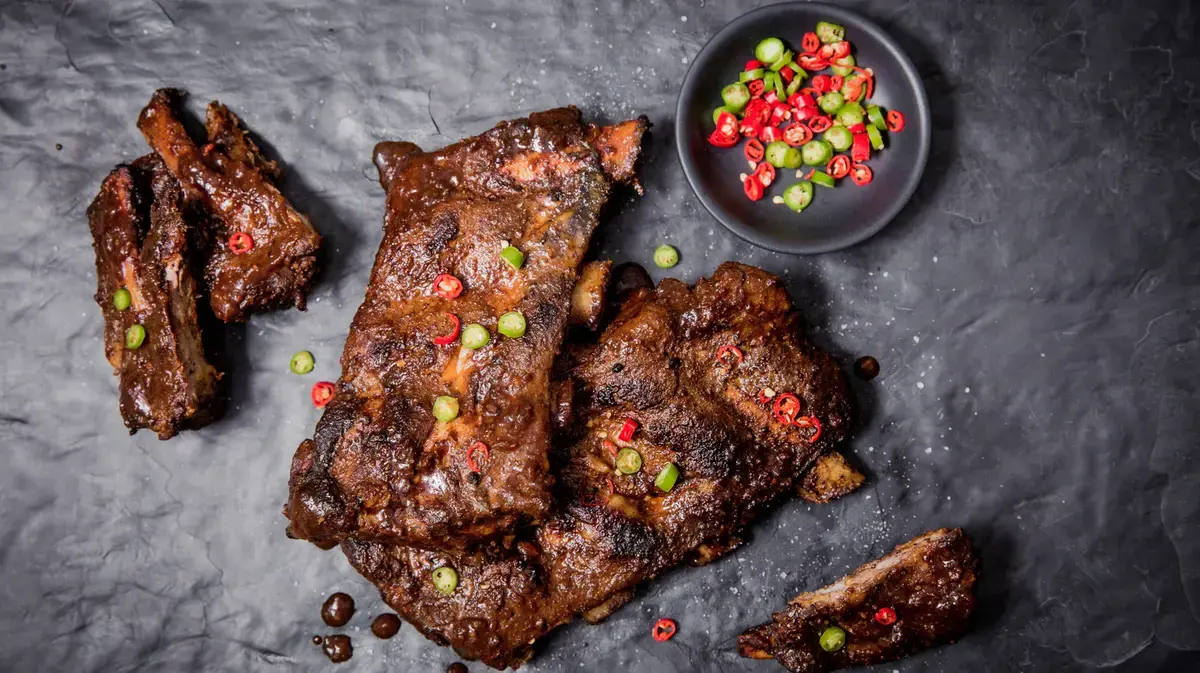
The Essential Guide to Beef Ribs for Your Next Barbecue
Decoding Beef Rib Cuts
Planning a barbecue often involves choosing the star of the show. For many, that means ribs. While side dishes get much attention, selecting the right type of beef ribs is crucial. Understanding the differences ensures a delicious outcome for any backyard cookout.
Latest news
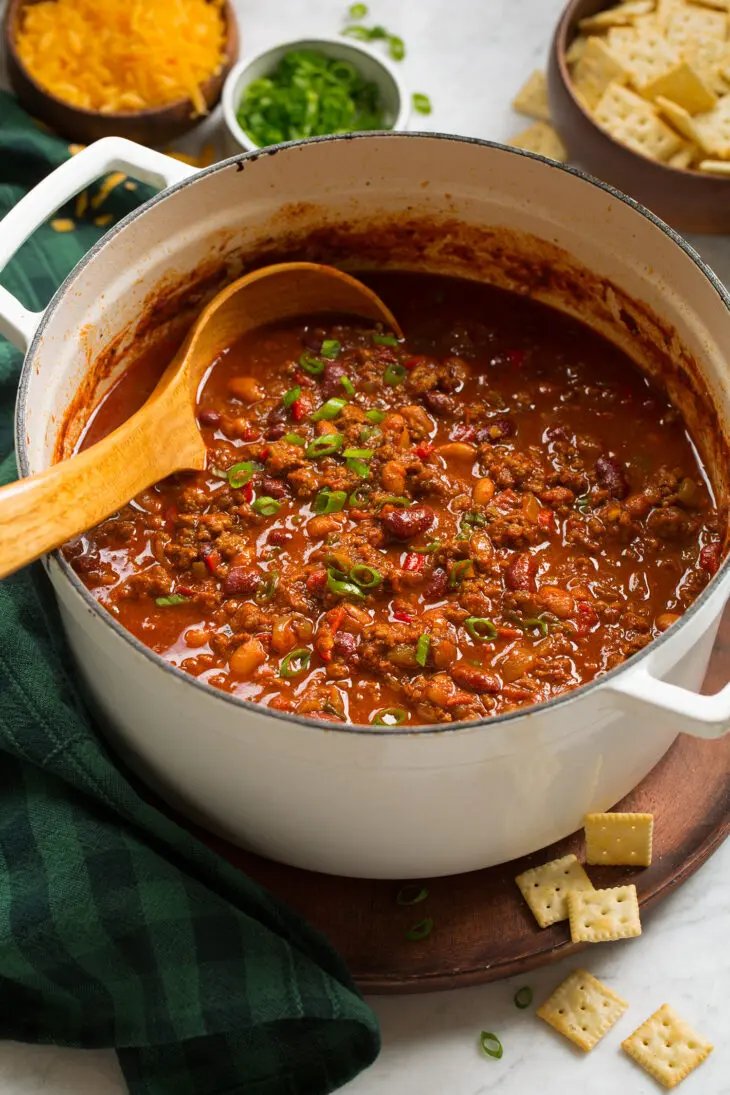 The Ultimate Homemade Chili Recipe for Cold Weather
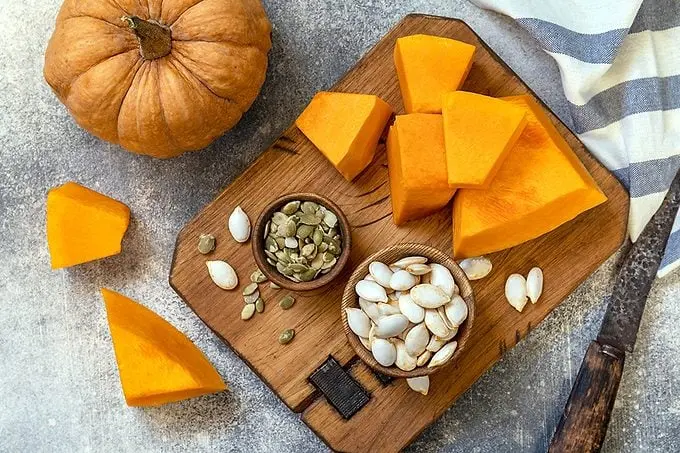 The Nutritional Power of Pumpkin Beyond Seasonal Desserts
 A Culinary Journey Through the 30th Epcot International Food and Wine Festival
 Burger King Unleashes Hello Kitty Kids' Meal with Ultra-Rare Golden Collectible
Beef ribs offer a rich, savory experience when prepared correctly. They are a staple of barbecue culture, known for their tender meat and ability to absorb smoky flavors. The choice of rib can significantly impact the cooking process and the final taste.
There are three primary types of beef ribs available. Each offers distinct characteristics for the grill. Knowing these differences helps home cooks make informed decisions.
First are back ribs. These come from the prime rib area of the cow. They have less meat on top of the bone. However, the meat between the bones is very flavorful. Back ribs cook relatively quickly. They are a good choice for those seeking a balance of meat and bone.
Which Ribs Should You Choose for the Best Barbecue?
Next, we have short ribs. These are cut from the plate section of the cow. Short ribs are known for their substantial meatiness. They contain a good amount of fat and connective tissue. This makes them incredibly tender when slow-cooked. They are ideal for a long, low-temperature barbecue.
Finally, there are flanken-style ribs. These are short ribs cut across the bone. This results in thinner strips of meat with several small bone pieces. Flanken ribs are popular in Asian cuisine. They cook very fast, making them suitable for grilling or quick searing.
The best choice depends on your preferences and cooking style. For a classic, smoky barbecue experience, short ribs are often preferred. Their higher fat content renders beautifully over time, creating incredibly tender meat. Back ribs offer a leaner option with good flavor. They are quicker to prepare. Flanken ribs are excellent for a fast grill. They provide a different texture and are great for marinades.
Frequently Asked Questions
Ultimately, all three types can deliver a fantastic barbecue. Consider the cooking time you have available. Also, think about the desired meat-to-bone ratio. Experimenting with different cuts can lead to new favorite dishes.
What makes short ribs so tender? Short ribs contain a significant amount of fat and connective tissue. When cooked slowly at low temperatures, this tissue breaks down, resulting in exceptionally tender and flavorful meat.
Can I use any rub or sauce on all types of beef ribs? Yes, most barbecue rubs and sauces can be used on all beef rib types. The choice of rub or sauce is largely a matter of personal taste and complements the beef's natural flavor.
How long do beef ribs typically take to cook on a barbecue? Cooking times vary greatly by rib type and cooking method. Back ribs might take 2-3 hours, while short ribs often require 4-6 hours or more for optimal tenderness. Flanken ribs cook in minutes.
Content written by Isabelle Fontaine for fancy-meals.com editorial team, AI-assisted.