
Why Pinot Noir Costs More Than Other Wines
The Delicate Nature of Pinot Noir Grapes
Pinot Noir bottles typically carry higher price tags than most other wines. Beverage expert David Kravitz explained to Tasting Table that several factors drive up the cost of this popular red varietal.
Latest news
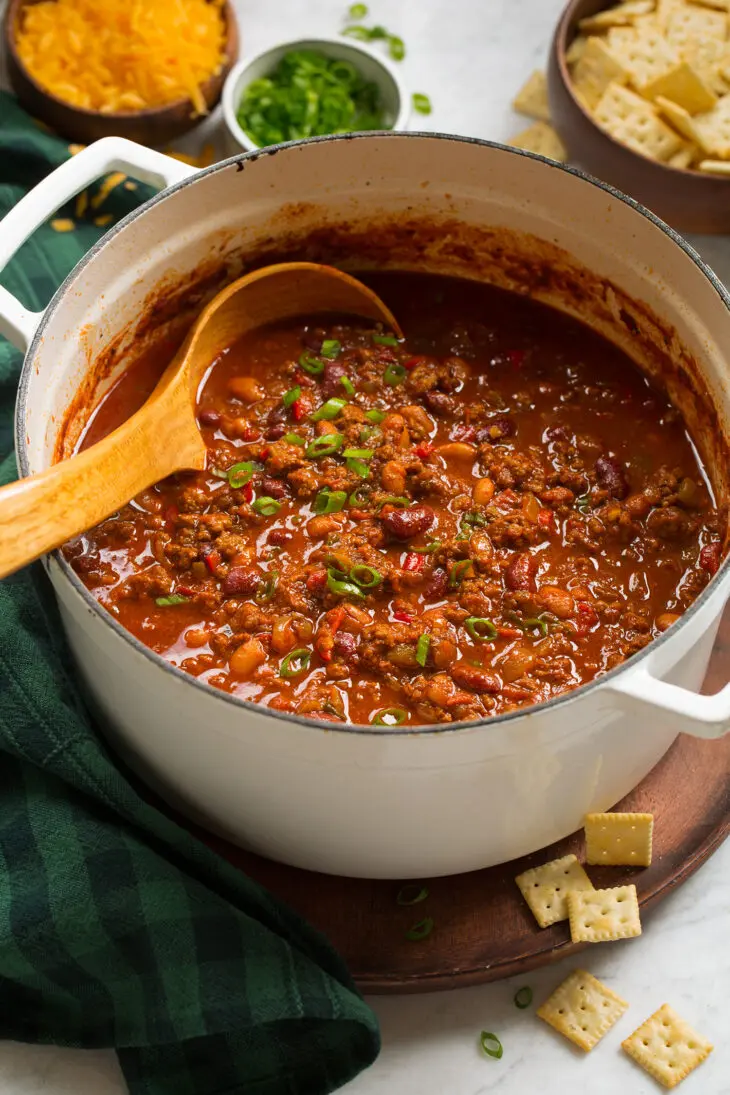 The Ultimate Homemade Chili Recipe for Cold Weather
 The Nutritional Power of Pumpkin Beyond Seasonal Desserts
 A Culinary Journey Through the 30th Epcot International Food and Wine Festival
 Burger King Unleashes Hello Kitty Kids' Meal with Ultra-Rare Golden Collectible
Pinot Noir grapes are notoriously difficult to grow, requiring specific climate conditions and careful cultivation. The vines demand constant attention and thrive only in select regions worldwide. This limited growing environment restricts supply, pushing prices upward. Additionally, the winemaking process demands precision, as the delicate grapes easily spoil or develop off-flavors. Wineries must invest heavily in specialized equipment and skilled labor to produce quality bottles.
Pinot Noir vines produce low yields compared to heartier grape varieties. Each harvest requires meticulous hand-tending, from pruning to picking. The thin-skinned grapes are vulnerable to weather changes, disease, and pests. A single storm or heatwave can devastate entire crops, creating shortages that inflate market prices. Winemakers often spend years perfecting their techniques before achieving consistent, high-quality results.
How Does Growing Difficulty Affect Bottle Prices?
The challenging cultivation process directly impacts what consumers pay. Limited production means fewer bottles reach store shelves. Small wineries cannot benefit from mass-production economies of scale. Special handling during fermentation and aging further increases costs. Premium oak barrels, extended aging periods, and expert oversight all add expenses that retailers pass to buyers.
Consumers shopping supermarket wine aisles may notice Pinot Noir bottles costing significantly more than Cabernet Sauvignon or Merlot. This pricing reflects genuine production challenges rather than marketing alone. As demand grows for this approachable red wine, prices may continue rising unless new growing regions successfully cultivate the finicky grape.
Frequently Asked Questions
Why is Pinot Noir more expensive than Cabernet Sauvignon? Pinot Noir grapes require specific climates and intensive care, producing lower yields. Cabernet thrives in diverse conditions with less hands-on management, making it cheaper to produce.
Does expensive Pinot Noir taste better than cheaper bottles? Price correlates with quality up to a point. Entry-level Pinot Noirs offer good value, while premium bottles showcase superior complexity. Beyond $50, taste improvements become subjective.
Can I find affordable Pinot Noir that still tastes good? Yes, many excellent Pinot Noirs retail for $15-25. Look for bottles from Oregon, Chile, or New Zealand, which often provide better value than pricier Burgundy or California options.
Content written by Isabelle Fontaine for fancy-meals.com editorial team, AI-assisted.