
Merlot vs. Pinot Noir: Key Differences Between Two Beloved Red Wines
The Taste Trail: From Jammy Fruit to Earthy Elegance
Merlot and Pinot Noir dominate wine shelves worldwide, yet they offer distinct experiences. Both hail from France—Merlot from Bordeaux and Pinot Noir from Burgundy—but their flavors, growing conditions, and price points vary widely. Understanding these contrasts helps consumers choose the right bottle for any occasion.
Latest news
 Prosciutto Elevates the Classic Grilled Cheese Sandwich
 Costco Frozen Shrimp Rivals Steakhouse Appetizers
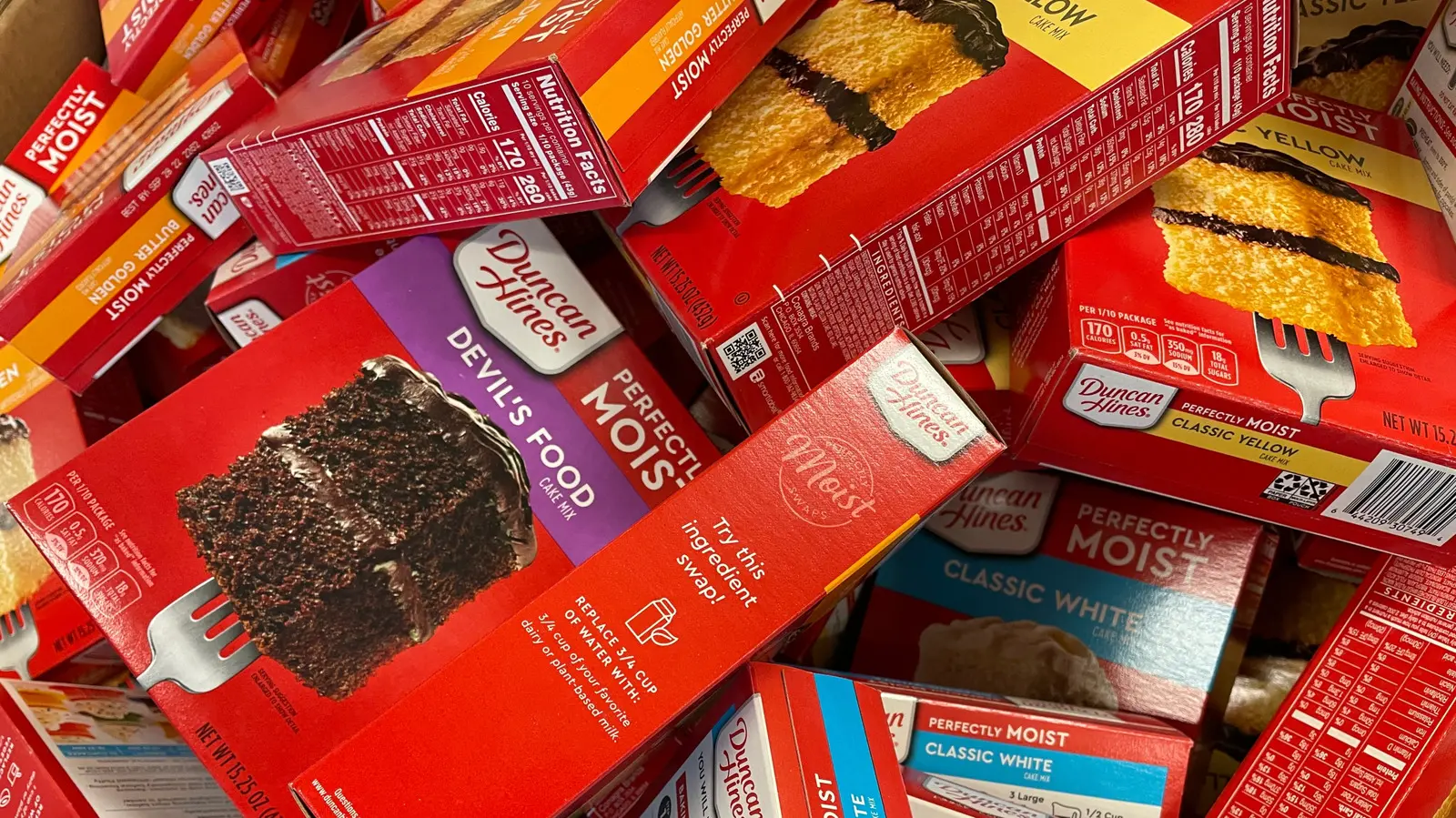 Skip Store‑Shelf German Chocolate for This Rich Duncan Hines Cake Mix
 Severed Sun: A Blood-Red Bourbon Halloween Cocktail
Merlot, known for its plush, fruit-forward profile, thrives in warmer climates and yields generous harvests, keeping prices moderate. Pinot Noir, by contrast, demands cooler vineyards and meticulous care, resulting in lighter, more nuanced wines that often command higher prices. These differences stem from grape genetics, terroir preferences, and winemaking techniques, shaping each wine’s character and market appeal.
Merlot delivers soft tannins and ripe flavors of plum, black cherry, and chocolate, making it approachable for beginners. Its round mouthfeel and moderate acidity suit hearty dishes like grilled steak or mushroom risotto. Pinot Noir, however, offers a delicate structure with bright acidity, red berry notes, and subtle earthy undertones such as forest floor and spice. The wine’s thin skin and thin flesh mean lower tannins, allowing it to pair elegantly with salmon, duck, or soft cheeses. Winemakers often age Pinot Noir in French oak to enhance its complexity, while Merlot may see a brief stint in oak barrels to add vanilla hints without overwhelming its fruit core.
Why Does Pinot Noir Cost More?
Pinot Noir’s reputation for higher price tags is rooted in its cultivation challenges. The thin-skinned grapes are prone to disease, and the vines require precise climate conditions—cool nights and moderate days—to develop balanced sugars and acidity. Small yields per vine increase production costs, and the labor-intensive hand-harvesting further adds to the expense. Merlot vines are more robust, tolerate a broader climate range, and produce larger yields, keeping production costs lower and bottles more affordable.
The market reflects these realities: Merlot consistently ranks among the top-selling red wines in the United States, while Pinot Noir enjoys a premium niche, especially from renowned regions like Oregon’s Willamette Valley and California’s Sonoma Coast. Consumers seeking value often gravitate to Merlot, whereas enthusiasts chasing complexity and terroir expression may opt for Pinot Noir despite the higher price.
What food pairs best with Merlot? Merlot’s soft tannins and fruit richness complement red meats, roasted vegetables, and dishes with tomato-based sauces. Its moderate acidity balances savory flavors without overpowering the palate.
Frequently Asked Questions
Can I store Pinot Noir longer than Merlot? Pinot Noir generally benefits from earlier consumption to preserve its delicate aromatics, though high-quality bottles from reputable vineyards can age gracefully for 5–10 years. Merlot often ages longer, developing richer, smoother profiles over time.
Is one wine healthier than the other? Both contain similar levels of antioxidants like resveratrol. Pinot Noir may have slightly higher polyphenol content due to its thinner skin, but moderate consumption of either offers comparable health benefits.
Choosing between Merlot and Pinot Noir hinges on personal taste, budget, and food pairing needs. As vineyards adapt to climate shifts, both grapes may evolve, offering new expressions for wine lovers worldwide.
Content written by Henry Cross for fancy-meals.com editorial team, AI-assisted.