
Exploring Red Wines Beyond Pinot Noir
Why These Wines Complement Pinot Noir Preferences
For fans of Pinot Noir seeking to broaden their red wine experience, two alternatives offer similar elegance with distinct character. These options provide a natural progression for those who appreciate the light to medium body and subtle complexity of Pinot Noir but wish to explore new flavor profiles without straying too far from familiar territory.
Latest news
 Prosciutto Elevates the Classic Grilled Cheese Sandwich
 Costco Frozen Shrimp Rivals Steakhouse Appetizers
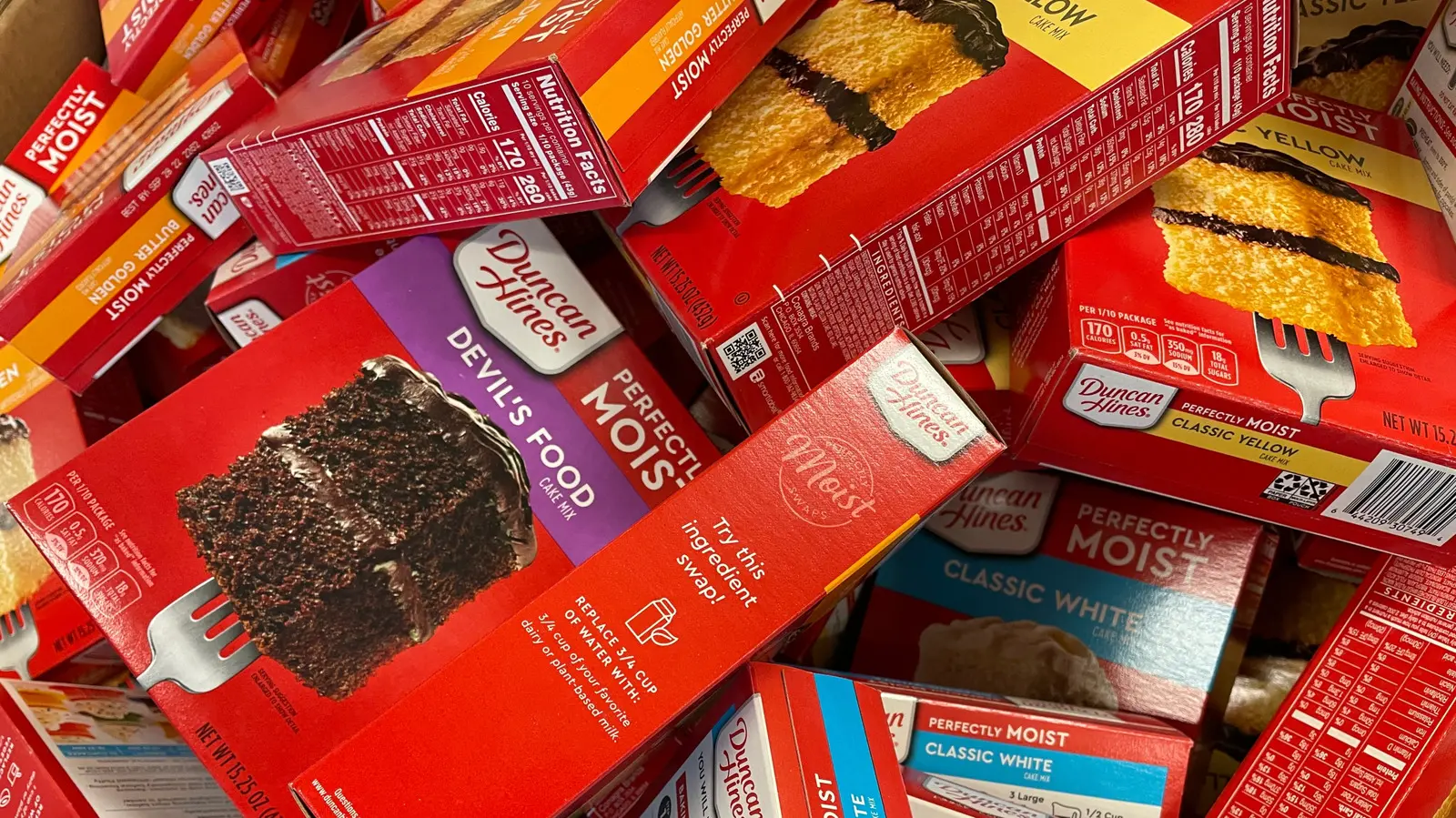 Skip Store‑Shelf German Chocolate for This Rich Duncan Hines Cake Mix
 Severed Sun: A Blood-Red Bourbon Halloween Cocktail
Gamay presents an excellent starting point, particularly from the Beaujolais region of France. This grape produces wines with bright red fruit flavors like cherry and raspberry, complemented by floral notes and a refreshing acidity. Unlike some heavier reds, Gamay maintains the drinkability Pinot Noir lovers enjoy while offering a slightly more vibrant and fruity expression. Look for Beaujolais Villages or Cru Beaujolais labels for quality examples that showcase the grape's potential.
What Makes St. Laurent a Hidden Gem for Red Wine Drinkers?
St. Laurent, though less known, delivers a compelling alternative with deeper color and structure. Originating from Central Europe, particularly Austria and the Czech Republic, this variety shares Pinot Noir's thin-skinned nature but yields wines with darker fruit notes such as black cherry and plum, often accompanied by spicy undertones. Its tannic profile is slightly more pronounced than Pinot Noir yet remains approachable, making it suitable for those ready to step up in intensity.
Both Gamay and St. Laurent thrive in cooler climates, similar to Pinot Noir's preferred growing conditions, which contributes to their comparable acidity and finesse. Winemakers often use similar techniques, such as whole-cluster fermentation or minimal oak influence, to preserve the grapes' delicate characteristics. This results in wines that feel familiar yet offer new dimensions—Gamay with its lively fruit and St. Laurent with its deeper, earthier complexity.
Despite its qualities, St. Laurent remains underrepresented in many markets due to limited production and cultivation challenges. The grape is susceptible to disease and yields inconsistently, which discourages widespread planting. However, advocates praise its ability to reflect terroir, producing wines that range from light and fruity in warmer years to structured and age-worthy in cooler vintages. For Pinot Noir enthusiasts curious about lesser-known varieties, St. Laurent offers a rewarding discovery.
Frequently Asked Questions
How does Gamay differ from Pinot Noir in terms of food pairing? Gamay's higher acidity and fruit-forward profile make it exceptionally versatile with dishes like roasted chicken, grilled salmon, or mushroom-based vegetarian meals, often cutting through richness more effectively than Pinot Noir.
Is St. Laurent typically more expensive than Pinot Noir? Not necessarily; while premium examples exist, many St. Laurent wines are priced competitively with mid-range Pinot Noir, offering good value given their relative rarity and quality potential.
Content written by Tasting Table for fancy-meals.com editorial team, AI-assisted.