
10 Best Hole-In-The-Wall Spots For Chinese Food Across The US
Why These Small Kitchens Keep Drawing Crowds
Across the United States, unassuming Chinese restaurants tucked into strip malls and quiet streets are serving some of the most authentic and beloved dishes in the country. These modest eateries, often family-run and overlooked by critics, have become local legends for their bold flavors and no-frills approach. From New York to Los Angeles, diners are seeking out these hidden gems where tradition meets taste without the high price tag.
Latest news
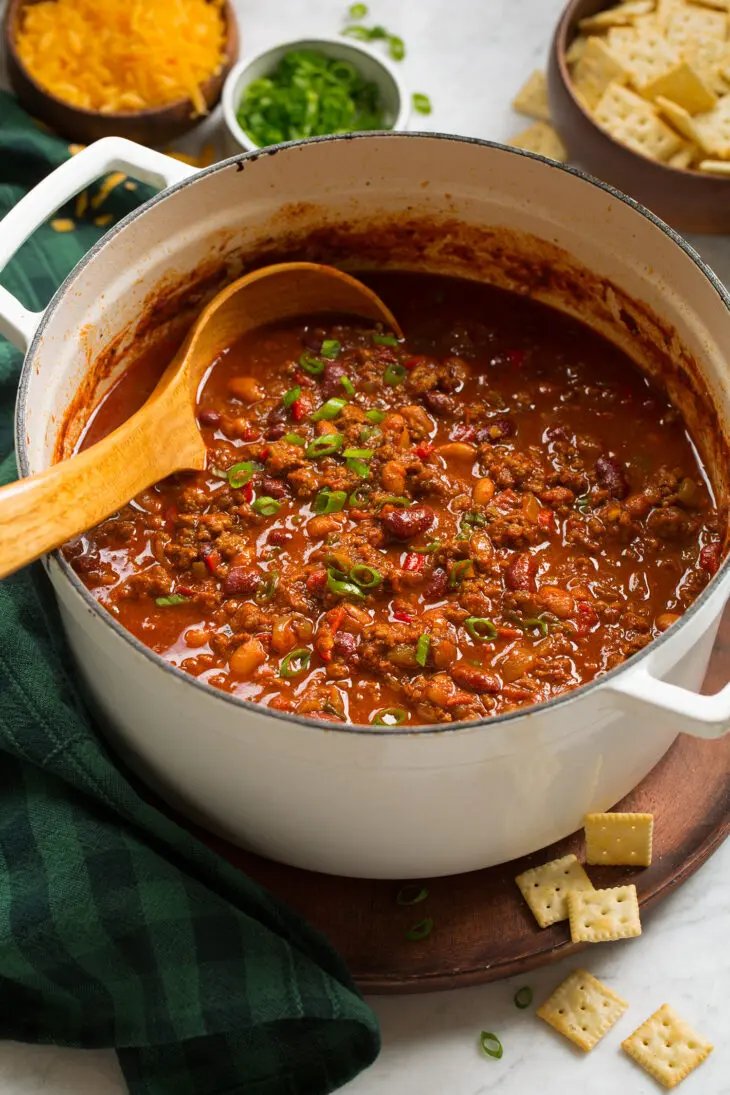 The Ultimate Homemade Chili Recipe for Cold Weather
 The Nutritional Power of Pumpkin Beyond Seasonal Desserts
 A Culinary Journey Through the 30th Epcot International Food and Wine Festival
 Burger King Unleashes Hello Kitty Kids' Meal with Ultra-Rare Golden Collectible
What makes these hole-in-the-wall spots stand out is their commitment to recipes passed down through generations, often using fresh ingredients and techniques rarely seen in larger chains. Many owners immigrated from China and opened their doors with little more than a wok and a dream, serving dishes like hand-pulled noodles, Sichuan-style mapo tofu, and Cantonese roast duck that rival those found in Asia. Their popularity grows not through advertising, but through word of mouth and loyal customers who return for the consistency and soul in every bite.
How Do They Survive in a Competitive Food Scene?
Despite lacking fancy decor or Michelin stars, these restaurants thrive because they prioritize flavor over form. Regulars praise the spicy dan dan noodles at a tiny shop in Queens or the crispy honey walnut shrimp at a family spot in San Gabriel Valley. Chefs often cook to order, adjusting spice levels and ingredients based on customer preference, creating a personal touch that chains can’t replicate. In cities with large Asian communities, these spots serve as cultural hubs where elders gather for breakfast congee and students grab affordable lunch specials after school.
With rising rents and food costs, many of these small businesses operate on thin margins, relying on efficiency and community support. Some have adapted by offering takeout-only models or partnering with delivery apps, while others refuse to change their methods, believing authenticity is non-negotiable. Their survival often depends on repeat customers who value the genuine experience over trendiness. As one owner in Chicago put it, „We don’t need a sign that flashes. If the food is good, people will find us.”
What defines a hole-in-the-wall Chinese restaurant? It’s typically a small, independently owned eatery with minimal seating, modest decor, and a focus on traditional or regional Chinese cooking, often run by immigrants who prepare food using family recipes.
Frequently Asked Questions
Are these spots safe and clean to eat at? Yes, despite their simple appearance, most adhere to local health standards and are regularly inspected; cleanliness varies by location, but many maintain high kitchen hygiene due to family pride in their food.
Can you find authentic regional dishes at these places? Absolutely — many specialize in specific styles like Sichuan, Hunan, or Fujian cuisine, offering dishes such as spicy hot pot, steamed fish with ginger and scallion, or fermented black bean sauces that reflect their hometown roots.
Content written by Lucas Carter for fancy-meals.com editorial team, AI-assisted.