The Ideal Red Wine for Classic Beef Bourguignon
Why Burgundy and Its Neighbors Are the Gold Standard
A seasoned chef explains why certain reds elevate the dish.
Latest news
 Moe's Southwest Grill Menu Items Ranked from Worst to Best
 Hot Honey Brussels Sprouts: A Sweet‑Spicy Side That Turns Heads
 Turn Your Pasta Sauce Into a Nutritional Powerhouse
 West Coast IPAs vs East Coast IPAs: A Flavor Battle Across the United States
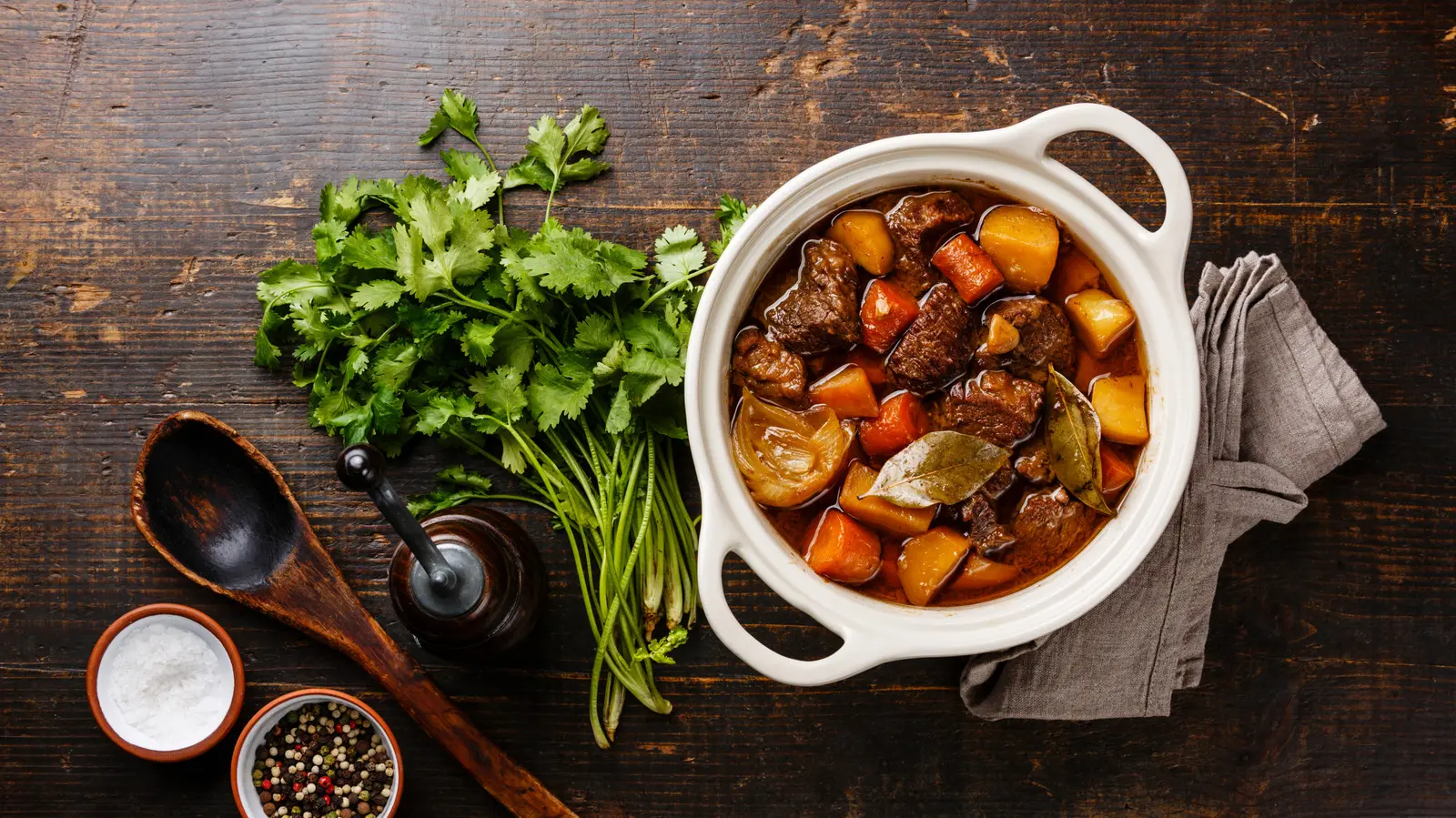
If you’re planning a traditional beef bourguignon, the wine you choose can make or break the flavor. A seasoned chef reminds home cooks that the right red wine not only adds depth but also balances the richness of beef and the earthy mirepoix. The recommendation is simple: use a medium‑to‑full‑bodied red from Burgundy or a similar region.
Can You Substitute Other Reds?
Burgundy wines, especially Pinot Noir, have a gentle acidity and subtle tannins that complement the slow‑cooked beef. The chef notes that the wine’s natural fruit notes—red cherry, plum, and a hint of earth—mirror the dish’s caramelized onions and mushrooms. A well‑balanced Burgundy also carries a slight spice that pairs with thyme, bay leaves, and peppercorns.
The chef explains that the wine’s acidity cuts through the fat, preventing the stew from feeling heavy. „When the wine’s acidity is on point, the beef’s natural flavors shine,” he says. He adds that a lower‑alcohol Burgundy, around 12–13 percent, keeps the dish from becoming too overpowering.
How to Store and Serve Your Wine‑Infused Dish
Yes, but with caution. The chef recommends alternatives such as a light‑bodied Pinot Noir from Oregon or a French Côtes‑du‑Rhone. These wines share similar acidity and fruit profile, but they lack the subtle earthiness of Burgundy. „If you use a heavier wine, like a Syrah, the stew may taste too bold and mask the beef’s tenderness,” he cautions.
Another option is a dry red Bordeaux. The wine’s higher tannins can add structure, yet they require careful simmering to avoid astringency. The chef advises reducing the wine by half before adding it to the pot, ensuring the sauce remains silky.
What Happens If You Choose the Wrong Wine?
The chef stresses that the wine should be heated gently, never boiled, to preserve its delicate aromas. He suggests simmering the stew for at least two hours, allowing the wine to reduce and integrate fully. When serving, a small glass of the same Burgundy enhances the dining experience. „A single sip before the first bite signals the flavors to the palate,” he says.
For leftovers, the chef advises refrigerating in an airtight container. He notes that the stew’s flavors deepen overnight, making it ideal for a second‑day meal.
Frequently Asked Questions
Using a wine with too much fruit or high alcohol can overpower the dish, turning it into a wine stew rather than a beef bourguignon. Excess tannins can make the beef feel dry or astringent. The chef warns that a mismatched wine may also clash with the dish’s subtle herbs, resulting in a disjointed flavor profile.
In the long run, a well‑chosen wine elevates the dish’s reputation, turning a simple dinner into a memorable experience.
Content written by Tasting Table for fancy-meals.com editorial team, AI-assisted.