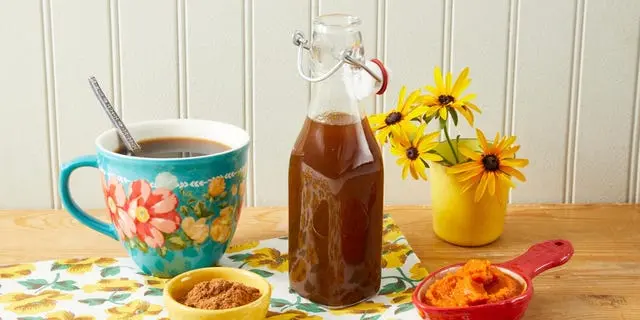
Pumpkin Spice: The Secret Behind Its Autumn Allure
The Sweet Blend Behind Pumpkin Spice
Pumpkin spice has become a hallmark of fall, filling kitchens and cafés with a warm, comforting aroma. The blend, originally crafted in the 19th‑century United States, has evolved into a cultural staple that signals the start of cooler weather. Its popularity has surged in recent decades, with seasonal drinks, baked goods, and even household products featuring the signature mix.
Latest news
 Moe's Southwest Grill Menu Items Ranked from Worst to Best
 Hot Honey Brussels Sprouts: A Sweet‑Spicy Side That Turns Heads
 Turn Your Pasta Sauce Into a Nutritional Powerhouse
 West Coast IPAs vs East Coast IPAs: A Flavor Battle Across the United States
The blend that defines pumpkin spice is a careful balance of spices that evoke the season’s flavors. Cinnamon, nutmeg, ginger, and allspice are the core components, each adding depth and warmth. A pinch of cloves or a touch of cardamom can enhance the complexity. The mixture is often sweetened with brown sugar or maple syrup, creating a comforting sweetness that complements the spices.
The origins of pumpkin spice trace back to early American settlers who used pumpkins for cooking and baking. In the 1800s, recipes for pumpkin pie and spice mixtures were common in household cookbooks. The term „pumpkin spice” itself was first documented in the early 20th century, as the flavor profile began to be marketed for seasonal baking.
From Kitchen to Café: How Pumpkin Spice Became a Cultural Icon
The heart of pumpkin spice lies in its spice ratio. Cinnamon provides a familiar, sweet heat, while nutmeg offers a subtle earthiness. Ginger brings a bright, slightly peppery note, and allspice adds depth reminiscent of cloves. When combined, these spices create a complex yet harmonious flavor that feels both comforting and festive.
Modern variations tweak the proportions to suit personal taste. Some chefs add a splash of vanilla or a dash of black pepper for extra nuance. The addition of pumpkin puree or powder in baked goods reinforces the autumnal theme, but the spice blend remains the defining element.
Frequently Asked Questions
The rise of pumpkin spice in the 21st century began with coffee shops. In 2008, a popular café chain introduced a pumpkin‑spiced latte, sparking a wave of seasonal drinks. The beverage’s success led to a proliferation of pumpkin‑flavored pastries, cereals, and even cleaning products.
Marketing played a crucial role. Brands leveraged the sense of nostalgia and comfort associated with fall, positioning pumpkin spice as a must‑try seasonal indulgence. Social media amplified the trend, with influencers sharing pumpkin‑spiced recipes and latte art. The result was a cultural phenomenon that transcended food, becoming a symbol of the autumn season.
The impact extends beyond taste. Pumpkin spice has become a seasonal marker, signaling the shift from summer to fall. Retailers report significant sales spikes during the pumpkin spice season, and the flavor has influenced product development across industries.
Content written by The Pioneer Woman » Pancake for fancy-meals.com editorial team, AI-assisted.