Moët’s New US Open Cocktail Faces Stiff Competition From Honey‑Infused Deuce
Honey Deuce: The Unexpected Challenger
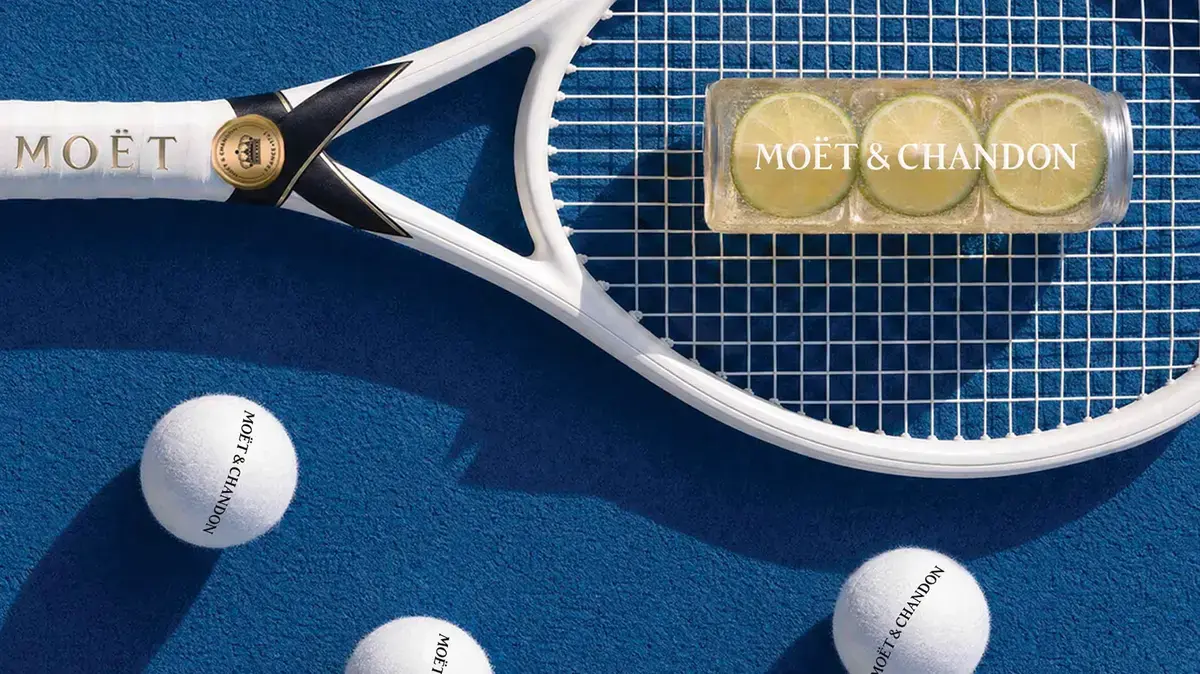
The luxury brand Moët & Chandon unveiled its latest cocktail at the US Open on Monday, August 12, 2026. The drink, a sparkling blend of champagne, citrus, and a hint of honey, was presented in the tournament’s hospitality suite. Within days, a rival concoction dubbed „Honey Deuce” began drawing equal attention from fans and bartenders alike.
Latest news
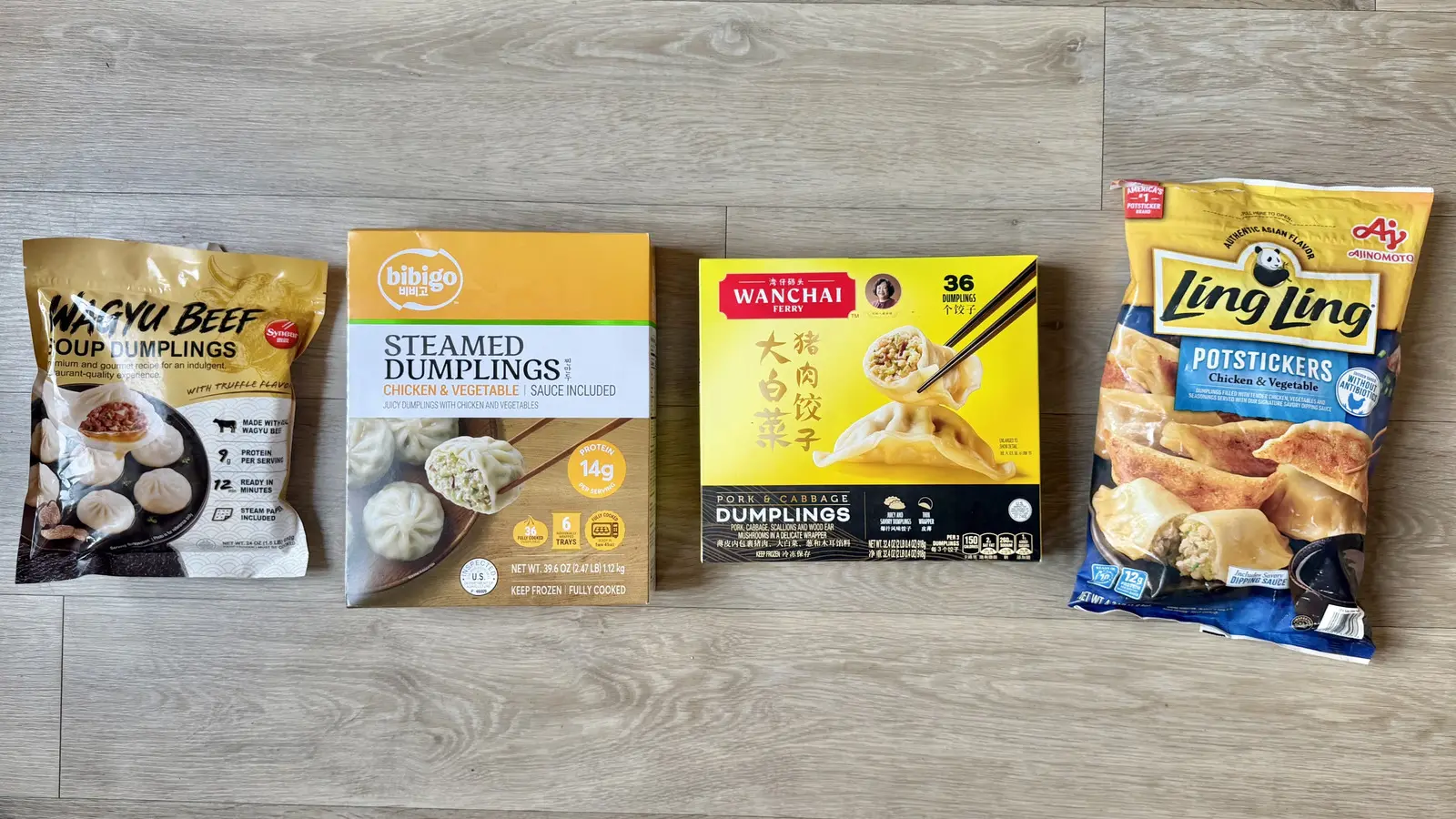 Costco's Frozen Dumpling Lineup, Ranked From Least To Most Tasty
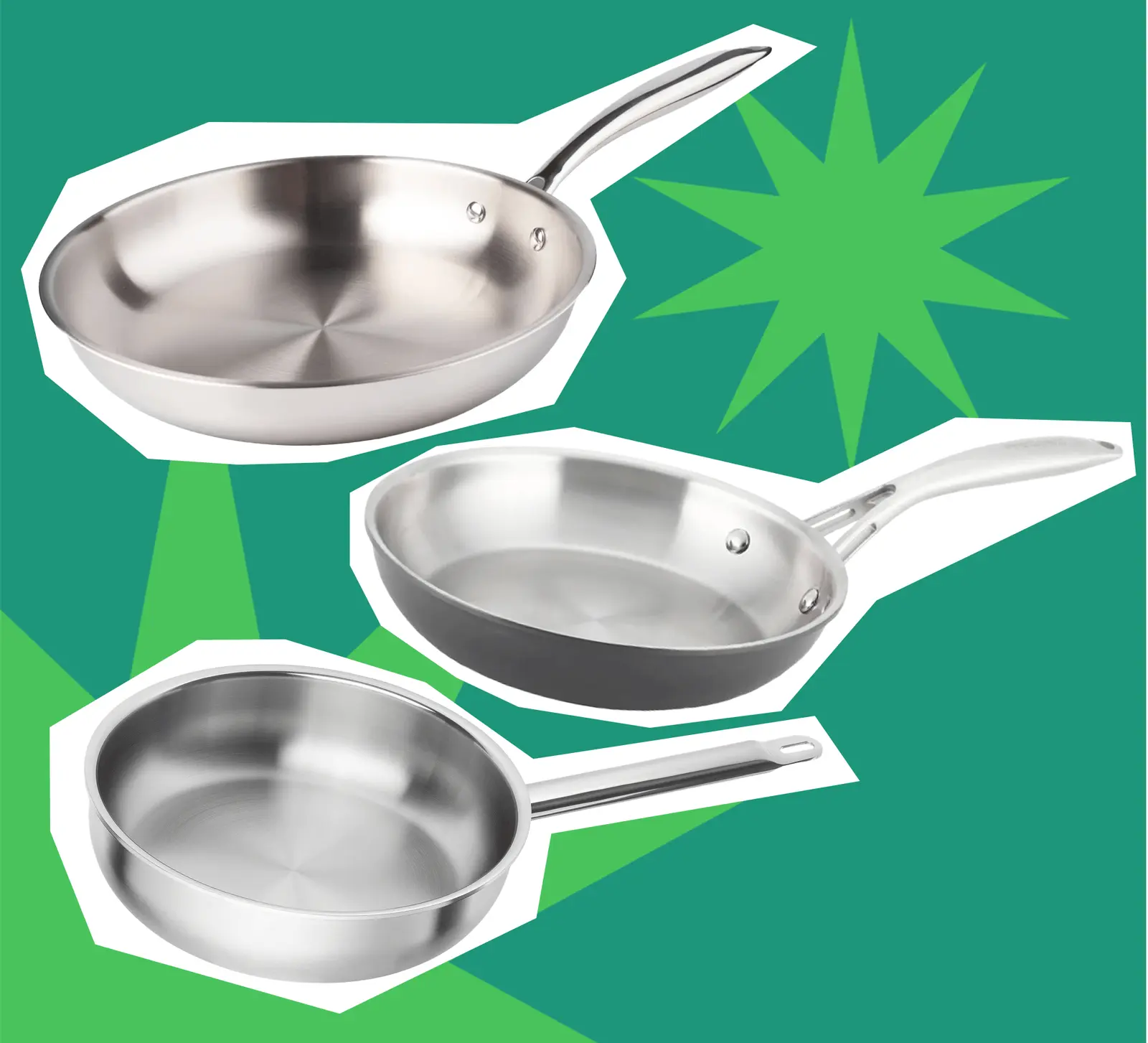 Best stainless-steel frying pans 2026: expert-tested picks for searing, eggs and daily cooking
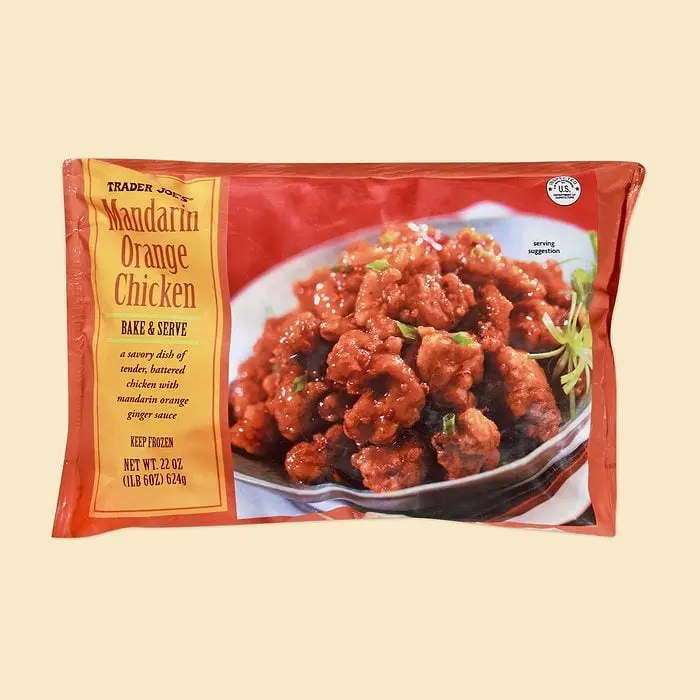 Trader Joe’s First‑Time Shopper Guide: Must‑Try Items
 Panda Express vs P.F. Chang's: Which Orange Chicken Is Healthier?
Moët’s signature mix was crafted to echo the tournament’s energy, featuring a delicate balance of effervescence and sweetness. Organizers hoped the cocktail would become a staple for future events, reinforcing the brand’s association with elite sport. However, the emergence of Honey Deuce—a honey‑forward libation served by a local craft distillery—has sparked a lively debate among attendees. Critics argue that the new competitor offers a bolder flavor profile, while supporters of Moët claim its elegance remains unmatched. Sales data from the first weekend show both drinks moving comparable volumes, indicating a genuine split in consumer preference.
Honey Deuce entered the scene after a pop‑up bar set up by New York‑based distiller „Bee Spirits” introduced the drink to the US Open crowd. Made with locally sourced honey, a splash of rye whiskey, and a dash of fresh lemon, the cocktail quickly gained a following. „The honey’s richness cuts through the whiskey, creating a smooth finish that resonates with the audience,” said head bartender Luis Martinez. Social media buzz reflected the rivalry, with hashtags #MoetVsHoneyDeuce trending throughout the tournament. Market analysts note that the surge in honey‑based beverages aligns with broader consumer trends favoring natural sweeteners. The competition has prompted Moët to consider tweaking its recipe, though the brand remains confident in its classic approach.
Will Moët’s Signature Cocktail Lose Its Crown?
The rivalry raises questions about brand loyalty and the power of local craft offerings at high‑profile events. Industry observers suggest that Moët’s prestige may be challenged if Honey Deuce continues to attract a younger demographic seeking bold flavors. „Consumers are looking for authenticity,” commented beverage consultant Karen Liu. Nevertheless, Moët’s global reputation and its partnership with the US Open provide a substantial platform that many believe will sustain its lead. The brand has announced plans to host tasting sessions and limited‑edition releases later this year, aiming to reinforce its position.
The outcome of this contest could reshape beverage strategies at major sporting events. If Honey Deuce secures a lasting foothold, organizers might prioritize local craft collaborations alongside traditional luxury partners. Moët’s response will likely influence how other premium brands approach future partnerships, balancing heritage with evolving taste preferences.
Frequently Asked Questions
What ingredients differentiate the two drinks? Moët’s cocktail blends champagne, citrus, and a light honey drizzle, while Honey Deuce combines rye whiskey, robust honey, and lemon juice.
How have sales compared so far? Initial figures show both beverages moving similar volumes, indicating a split in consumer choice during the opening weekend.
Will the US Open adopt Honey Deuce as an official drink? Organizers have not confirmed any official status, but the growing popularity suggests the brand may consider a recurring partnership.
Content written by Henry Cross for fancy-meals.com editorial team, AI-assisted.