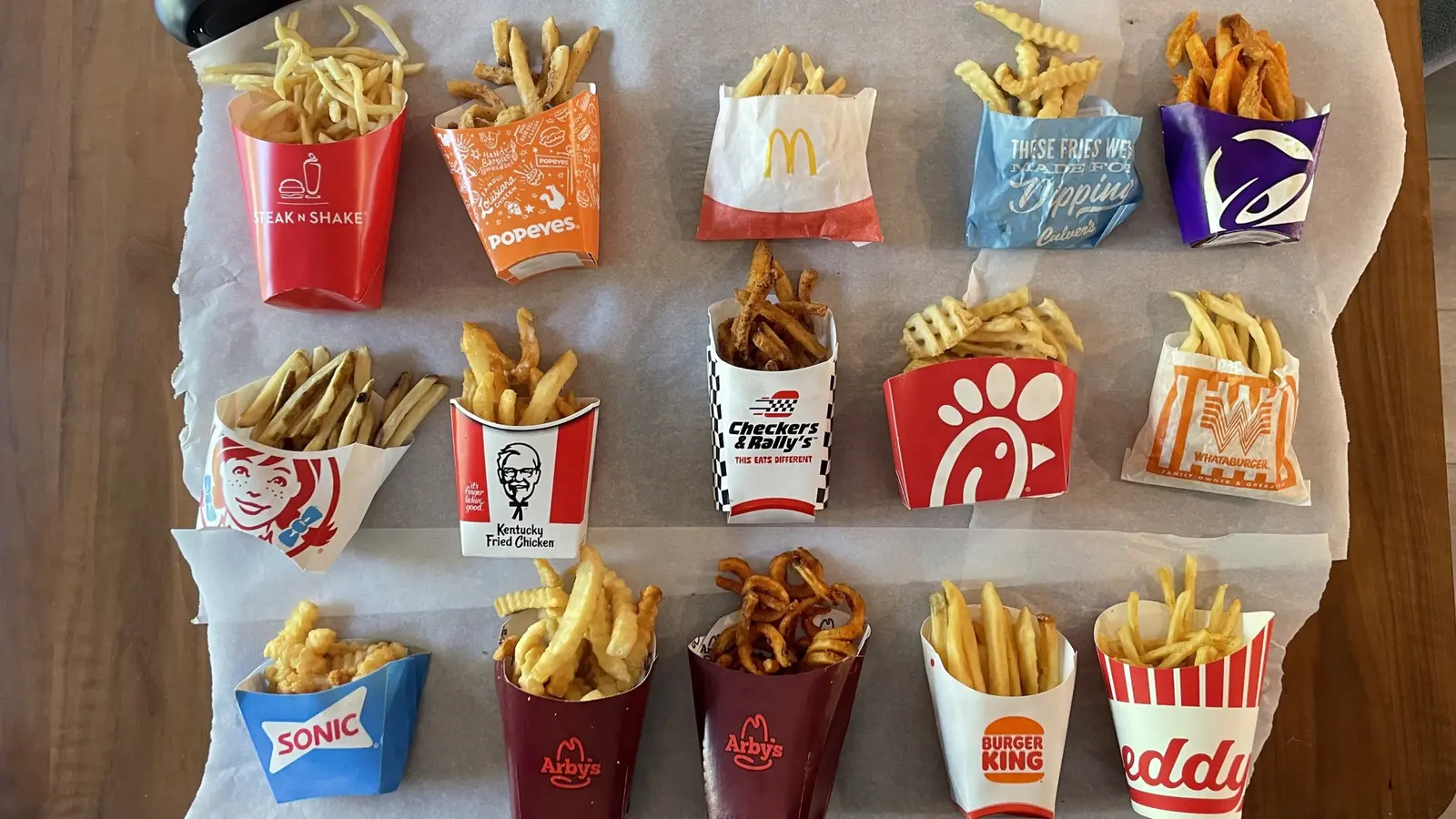
Fast Food Fries Face Fiercest Competition Yet In 2026
Texture And Salt Define The Modern Fry
In October 2026, culinary experts sampled fifteen distinct fast-food fry options to determine the ultimate winner. The evaluation focused on major chains serving burgers and chicken wings. Every major player includes fries on their menu, making this a high-stakes category. The competition is intense, with brands vying for the top spot through texture and flavor innovation.
Latest news
 The Ultimate Homemade Chili Recipe for Cold Weather
 The Nutritional Power of Pumpkin Beyond Seasonal Desserts
 A Culinary Journey Through the 30th Epcot International Food and Wine Festival
 Burger King Unleashes Hello Kitty Kids' Meal with Ultra-Rare Golden Collectible
The assessment revealed that consistency remains a major challenge for these giants. While some chains deliver reliable results, others struggle with batch-to-batch variations. The testing process prioritized crispiness, salt distribution, and potato quality. Experts noted that the best fries often come from unexpected places. This shift highlights how fast food has evolved beyond basic side dishes.
The winning criteria centered on two primary elements: texture and seasoning. A perfect fry requires a shatteringly crisp exterior with a fluffy interior. Salt must be applied evenly to enhance the natural potato flavor without overwhelming it. Several chains failed this test by using coarse salt that clumps. Others relied on pre-salted potatoes, which often led to uneven seasoning. The top performers used a dual-dip technique, ensuring every bite had the same crunch. This method separates the elite fries from the mediocre ones.
Which Chains Actually Mastered The Art?
Data from the tasting panel showed a clear preference for skin-on cuts. These varieties retained more nutrients and offered a superior mouthfeel. Chains that switched to smaller, thinner cuts in recent years saw a drop in customer satisfaction. The panelists emphasized that thickness matters. A fry that is too thin burns quickly, while one that is too thick remains soggy inside. The ideal thickness sits in a narrow window, requiring precise oil temperature control.
The results surprised many industry observers. Brands known for premium burgers did not automatically claim the top position. Instead, a mid-tier chain dominated the rankings due to its consistent frying process. This chain invested in new filtration systems, reducing oil degradation. Cleaner oil produces a cleaner taste, which tasters immediately noticed. Another runner-up utilized a proprietary seasoning blend that included paprika. This added a subtle smokiness that set it apart from plain salted fries.
Frequently Asked Questions
Conversely, several major brands fell to the bottom of the list. Their fries were often greasy and lacked the necessary crunch. The panel attributed this to inconsistent oil maintenance. When oil breaks down, it imparts a rancid flavor to the potatoes. This is a common issue in high-volume kitchens. The study suggests that operational discipline is just as important as recipe development.
How many fries were tested in the study? Fifteen different options were sampled by the expert panel. The selection included a mix of large and mid-sized fast food chains.
What was the main reason for the top score? The winner achieved the best balance of crispiness and even salt distribution. Its consistent texture across every bite impressed the judges.
Content written by Tasting Table for fancy-meals.com editorial team, AI-assisted.