Deglazing Demystified: A Simple Cooking Technique
The Science Behind Deglazing
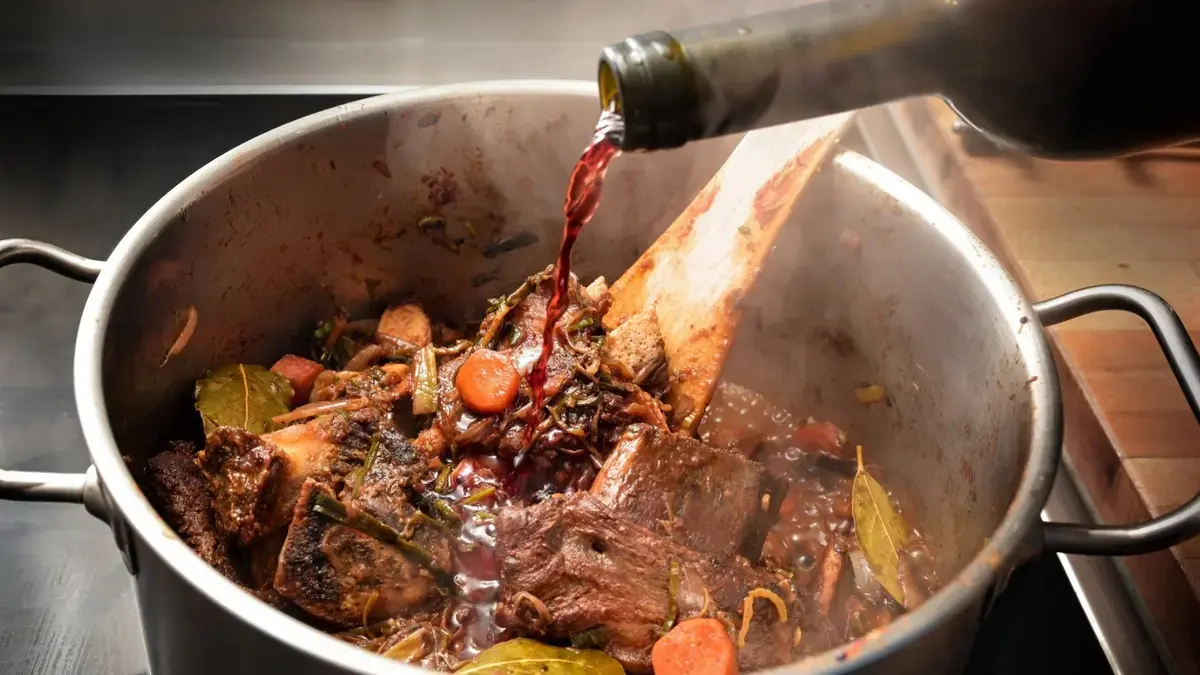
Many home cooks are unsure about deglazing a pan, a technique that sounds complicated but is actually straightforward. Deglazing involves removing the browned residue from a pan after cooking, typically by adding a liquid. This technique is used to create a rich and flavorful sauce.
Latest news
 Costco's Frozen Dumpling Lineup, Ranked From Least To Most Tasty
 Best stainless-steel frying pans 2026: expert-tested picks for searing, eggs and daily cooking
 Trader Joe’s First‑Time Shopper Guide: Must‑Try Items
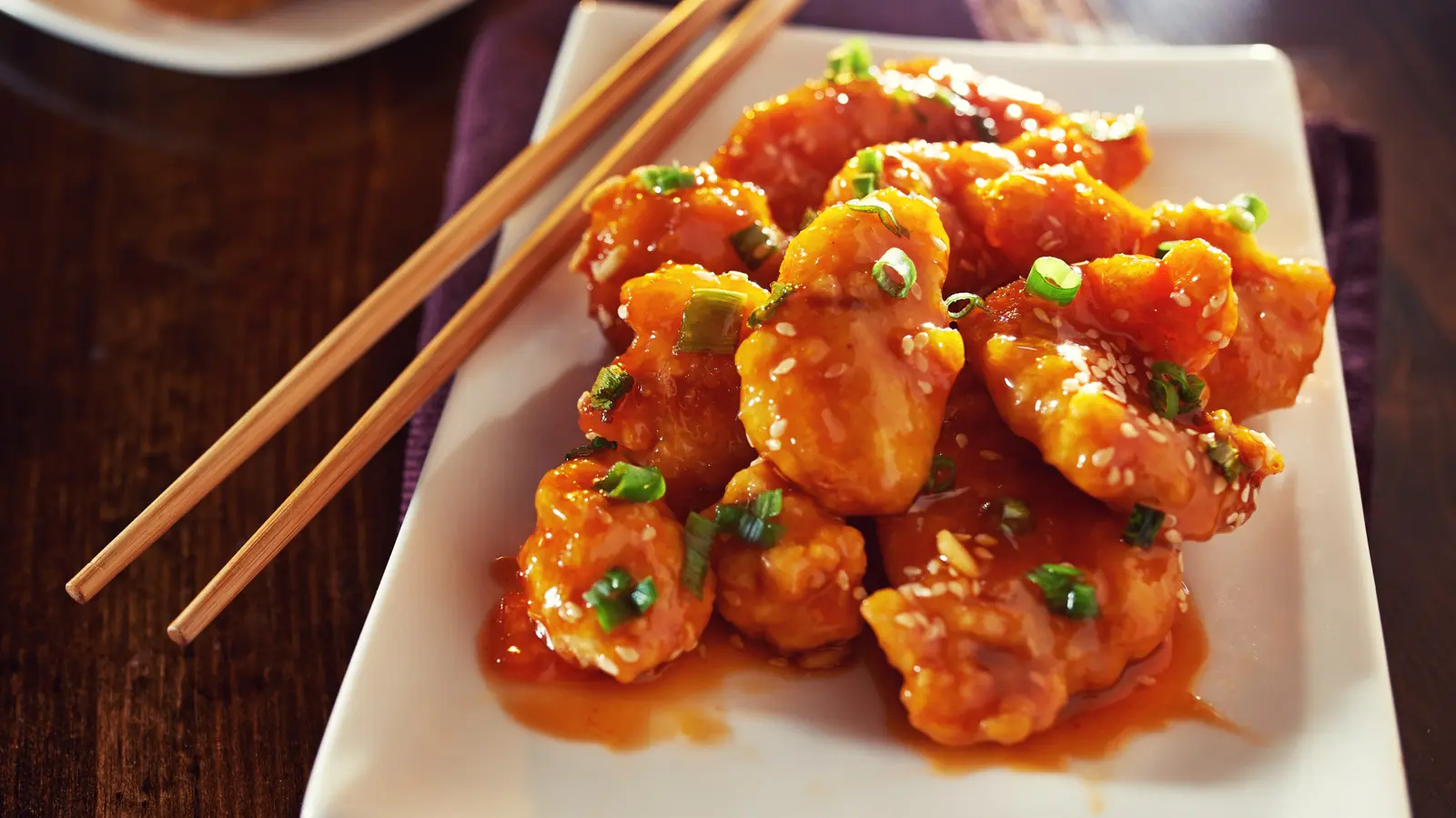 Panda Express vs P.F. Chang's: Which Orange Chicken Is Healthier?
When food is cooked in a pan, it leaves behind a caramelized crust, known as the fond. Deglazing involves loosening this fond by adding a liquid, such as wine or broth, to the pan. The acid in the liquid helps to break down the fond, releasing its flavors.
Is Deglazing Really Worth the Effort?
Deglazing is a simple technique that can elevate a dish from ordinary to extraordinary. By incorporating the flavors of the fond into the sauce, deglazing adds depth and complexity to the final product. It's a technique used by professional chefs, but it's also accessible to home cooks.
As cooks become more confident in their deglazing skills, they can experiment with different liquids and flavor combinations. This can lead to the creation of new and exciting recipes.
What liquid is best for deglazing? The choice of liquid depends on the dish being prepared, with options including wine, broth, or vinegar. A acidic liquid is usually preferred.
Frequently Asked Questions
How much liquid should be used for deglazing? The amount of liquid needed will vary, but a general rule is to use just enough to cover the bottom of the pan.
Can deglazing be done with a non-stick pan? Deglazing is typically done with a stainless steel or cast-iron pan, as these retain heat and allow for the formation of a good fond. Non-stick pans are not ideal for deglazing.
Content written by Isabelle Fontaine for fancy-meals.com editorial team, AI-assisted.