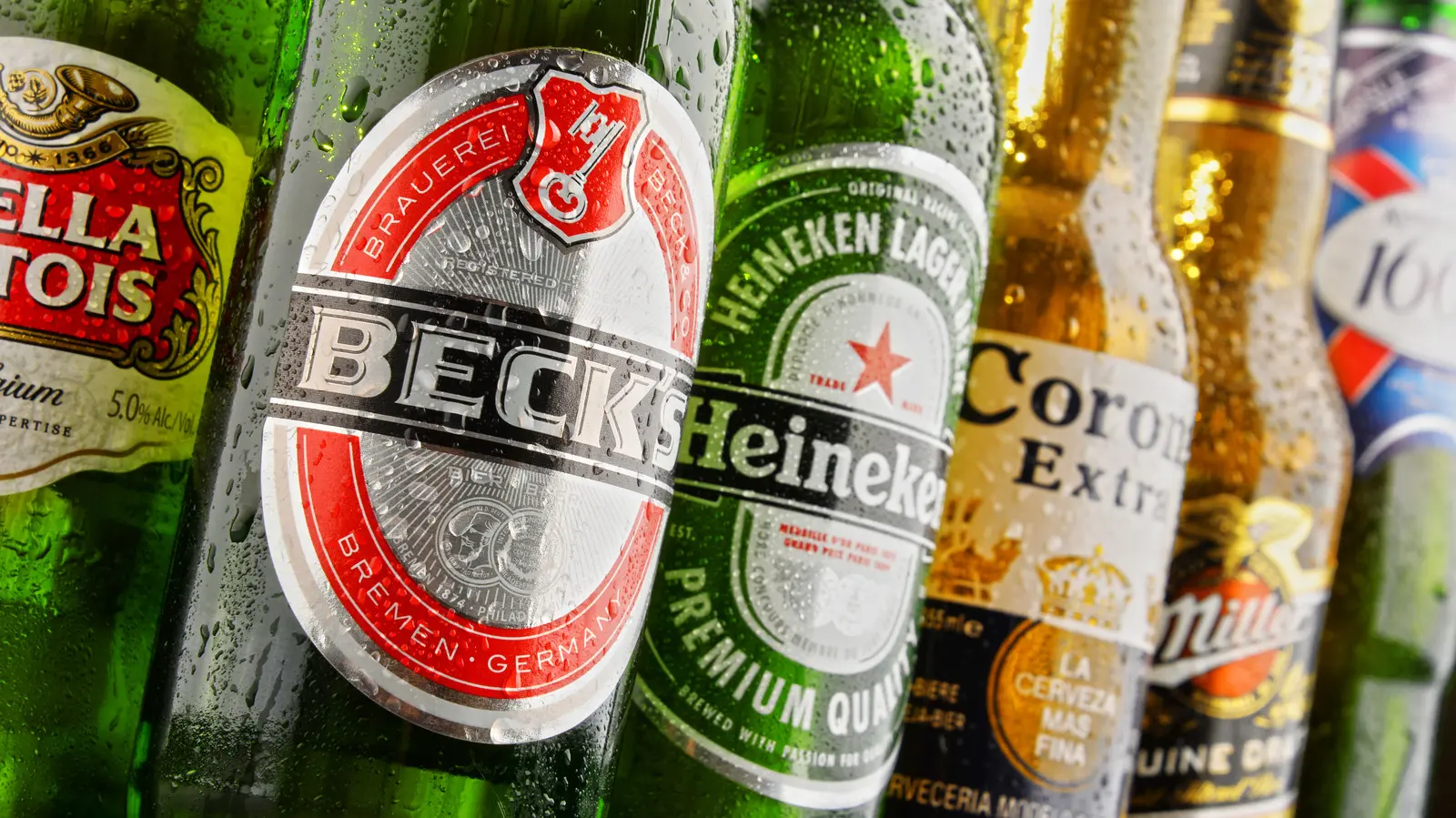
Baby Boomers Shift Loyalty to New Beer Favorites in 2026
Crafting a New Legacy of Brand Loyalty
Recent consumer data reveals that Baby Boomers are moving away from traditional beverage giants like Heineken and Budweiser. This influential demographic, born between 1946 and 1964, is redefining market trends by prioritizing specific flavor profiles and brand reliability over long-standing household names.
Latest news
 Moe's Southwest Grill Menu Items Ranked from Worst to Best
 Hot Honey Brussels Sprouts: A Sweet‑Spicy Side That Turns Heads
 Turn Your Pasta Sauce Into a Nutritional Powerhouse
 West Coast IPAs vs East Coast IPAs: A Flavor Battle Across the United States
The shift marks a significant turning point for the global beverage industry. For decades, major domestic and international labels dominated the refrigerators of American households. However, modern market research indicates that older consumers are now seeking alternatives that align more closely with their evolving tastes and lifestyle choices.
Baby Boomers are famously loyal once they find a product that meets their standards. Unlike younger generations who frequently experiment with trendy releases, this group tends to stick with a brand for the long haul. This behavior makes their current migration away from legacy brands particularly impactful for corporate bottom lines.
Why Are Traditional Giants Losing Their Grip?
The preference for these new favorites often stems from a desire for higher quality ingredients and distinct brewing processes. While the specific top-performing brand of 2026 may surprise some, it reflects a broader trend of „premiumization.”Consumers are willing to pay more for a beverage they perceive as superior in craft.
The decline of interest in brands like Coors and Miller among older drinkers suggests a gap in marketing and product development. Many legacy companies have focused their advertising efforts on Gen Z and Millennials. In doing so, they may have inadvertently alienated their most consistent and wealthy customer base.
Boomers often prioritize consistency and a specific mouthfeel that some mass-produced lagers lack. As they age, health considerations and sugar content also play a larger role in their decision-making process. This has opened the door for mid-sized breweries and imported labels to capture a segment of the market once considered untouchable.
The long-term consequences of this shift will likely force major breweries to reformulate their strategies. To win back this demographic, companies must balance nostalgia with modern quality standards. The coming years will determine if the old guard can adapt or if new favorites will permanently claim the throne.
Frequently Asked Questions
Which generation has the most influence on beer market trends? Baby Boomers remain a powerhouse in the beverage industry due to their significant disposable income and consistent purchasing habits. Their brand loyalty can sustain a company's success for decades.
Are Boomers looking for specific health benefits in their beer? While flavor remains the top priority, many older consumers are looking for transparency in ingredients. They often prefer beers with fewer additives and a more natural brewing profile.
How are legacy brands responding to these changing preferences? Many large corporations are acquiring smaller craft labels to diversify their portfolios. They hope to retain older customers by offering more specialized options under a broader corporate umbrella.
Content written by [email protected] (Craig Mattson) for fancy-meals.com editorial team, AI-assisted.