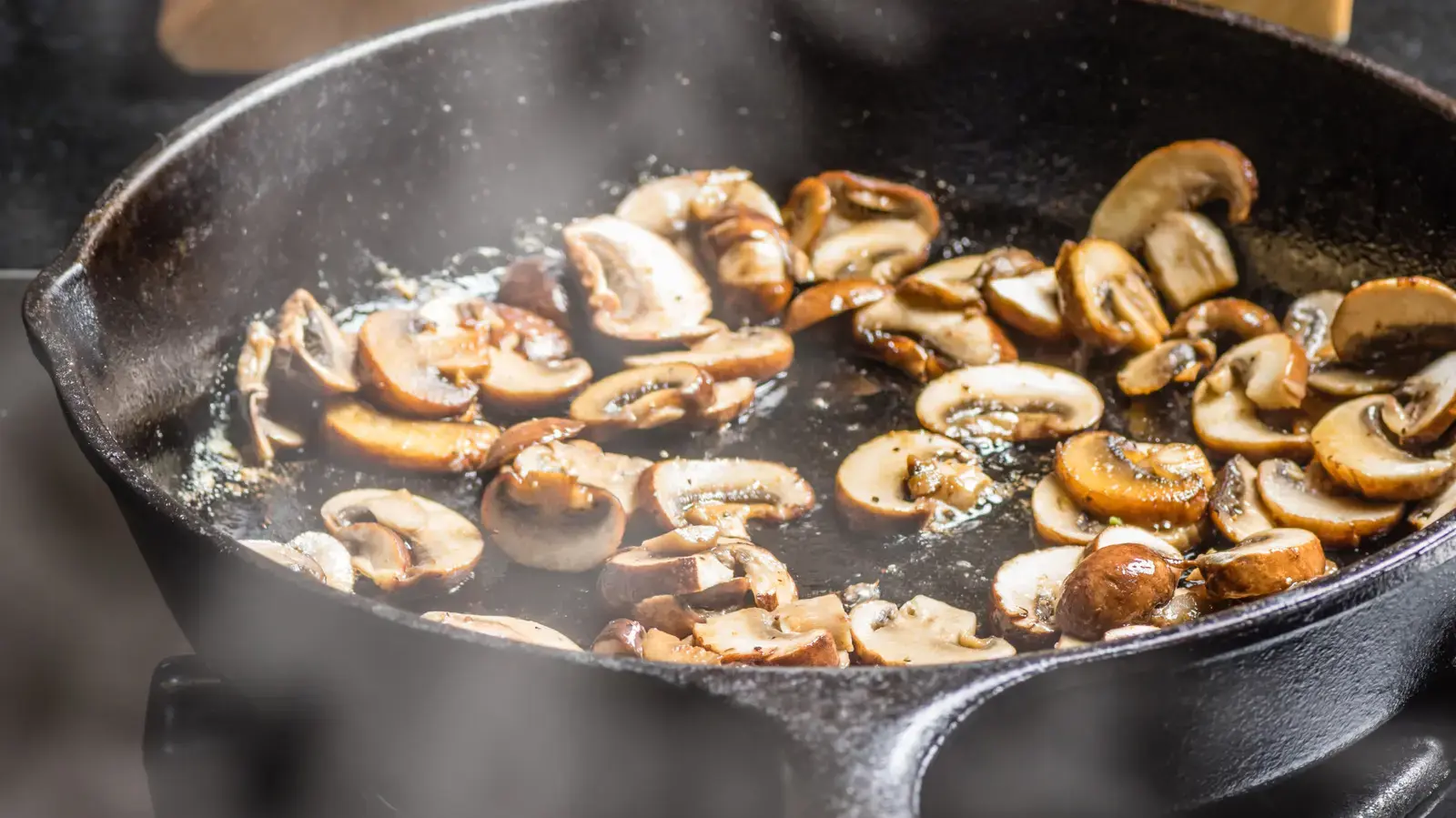
Why Salting Mushrooms Too Early Can Ruin Their Flavor
The Science Behind Delayed Salting
Sautéed mushrooms are a kitchen favorite, prized for their deep umami taste. Yet many home cooks make a simple mistake: adding salt at the start of cooking. Chef Sean Bell explains that waiting until the mushrooms release their juices before seasoning can dramatically improve texture and flavor, especially in quick‑cook dishes.
Latest news
 Costco's Frozen Dumpling Lineup, Ranked From Least To Most Tasty
 Best stainless-steel frying pans 2026: expert-tested picks for searing, eggs and daily cooking
 Trader Joe’s First‑Time Shopper Guide: Must‑Try Items
 Panda Express vs P.F. Chang's: Which Orange Chicken Is Healthier?
Mushrooms contain a high water content that reacts poorly to early salting. When salt hits raw caps, it draws out moisture, causing the fungi to steam rather than brown. The result is a soggy, bland side instead of a caramelized, savory star. Bell advises heating a pan over medium‑high, adding a splash of oil, and waiting until the mushrooms begin to release liquid. At that point, a pinch of salt helps the remaining moisture evaporate, allowing the pieces to develop a golden crust and concentrate their natural glutamates.
Research into mushroom chemistry shows that sodium ions disrupt cell walls, accelerating water loss. In the first few minutes of cooking, this can create a pool of liquid that prevents the Maillard reaction, the process responsible for browning and flavor development. By postponing salt until the mushrooms have started to brown, cooks let the initial heat seal the surface, preserving texture. Culinary schools now teach this timing as a core technique, noting that a brief pause—typically 2–3 minutes after the mushrooms hit the pan—makes a noticeable difference.
Should You Salt Mushrooms Before or After Cooking?
Chef Bell recounts testing the method with shiitake, cremini, and oyster varieties. „I noticed a richer, almost meaty depth when I added salt later,” he says. „The mushrooms kept their bite, and the sauce didn’t turn watery.” He adds that the approach works equally well in stir‑fries, risottos, and even pizza toppings, where excess moisture can ruin the final dish.
The short answer: wait. Early salting is a common habit because it seems logical to season from the start. However, the timing matters more than the amount. Adding salt after the mushrooms have browned ensures the seasoning adheres to the surface without pulling out too much liquid. For dishes that require a longer simmer, a final sprinkle at the end of cooking still enhances flavor without compromising texture.
Delaying salt also gives cooks flexibility. If a recipe calls for additional ingredients—like garlic, herbs, or wine—those flavors can meld without being diluted by excess mushroom water. The result is a cohesive dish where each component shines.
In kitchens worldwide, chefs are re‑evaluating old habits. As more home cooks adopt the „salt later” rule, the overall quality of mushroom‑based meals is expected to rise, turning a simple side into a standout feature.
Frequently Asked Questions
What happens if I accidentally salt mushrooms too early? The mushrooms will release water, steam instead of brown, and end up soggy. You can still rescue the dish by increasing heat and cooking longer to evaporate excess moisture.
Does the type of mushroom affect the timing? All common varieties—button, cremini, portobello, shiitake—behave similarly. Larger caps may need a few extra seconds before adding salt, but the principle remains the same.
Can I use other seasonings early, like pepper or herbs? Pepper can be added early without major issues, but delicate herbs should wait until the end to preserve their aroma. Salt is the primary culprit for moisture loss.
Content written by Henry Cross for fancy-meals.com editorial team, AI-assisted.