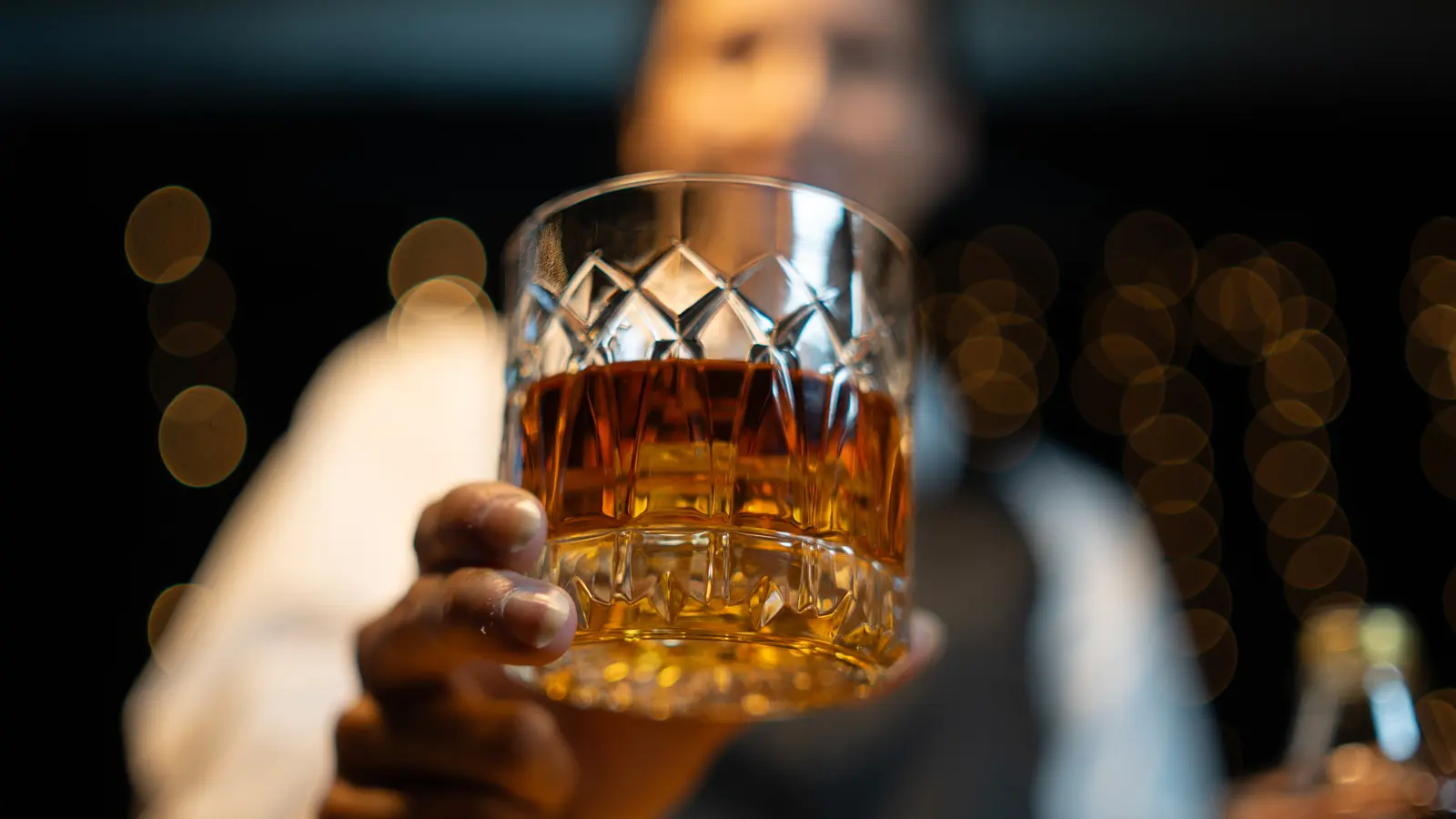
Whisky Reveals Unexpected Mango Notes, Explained by Science
From Yeast to Mango: The Chemistry Behind the Aroma
A recent study has uncovered why some whiskies carry a surprising mango aroma. Researchers traced the flavor to specific compounds that develop during fermentation and aging. The findings shed light on how distilleries can craft unique taste profiles.
Latest news
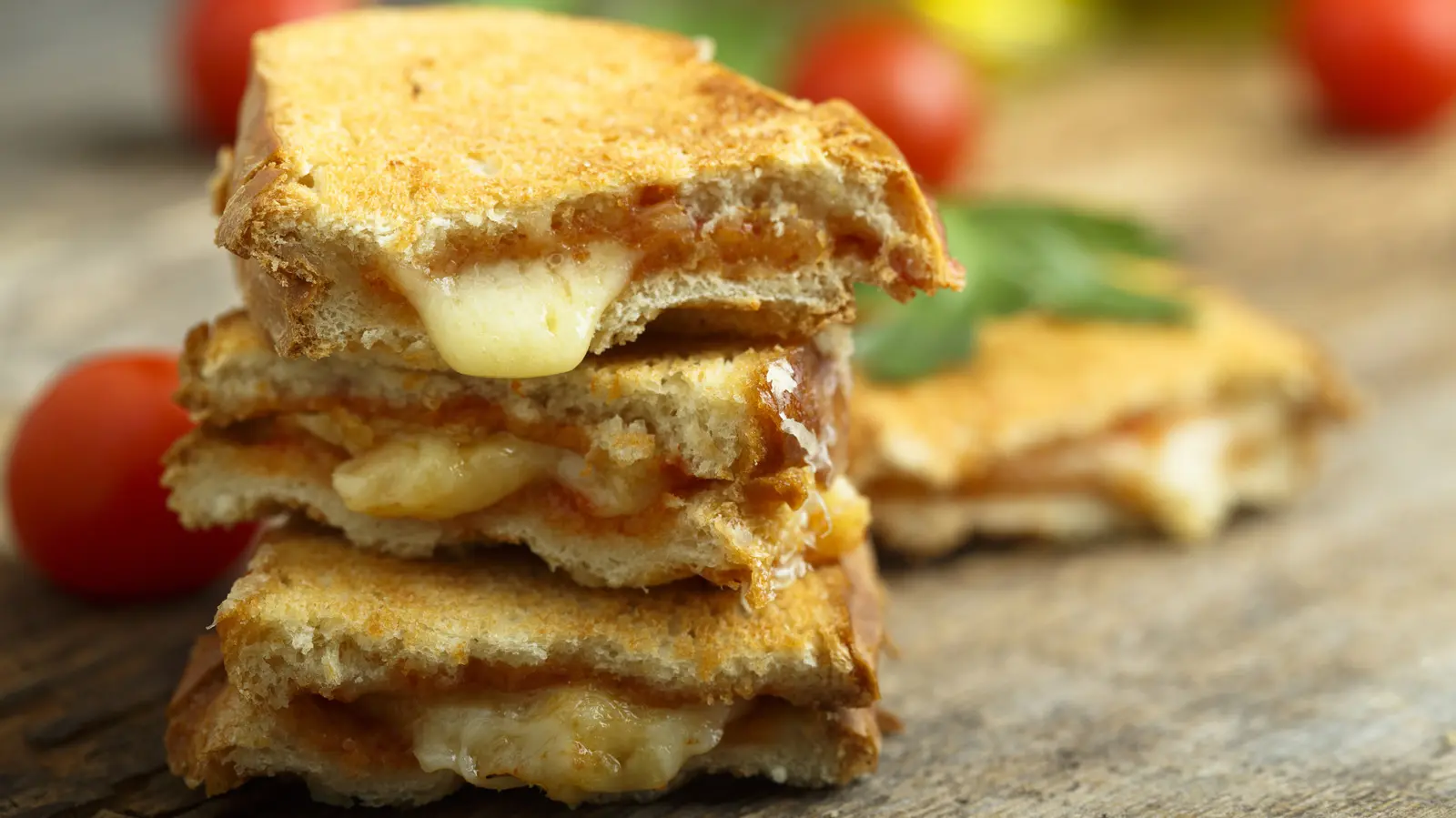 Prosciutto Elevates the Classic Grilled Cheese Sandwich
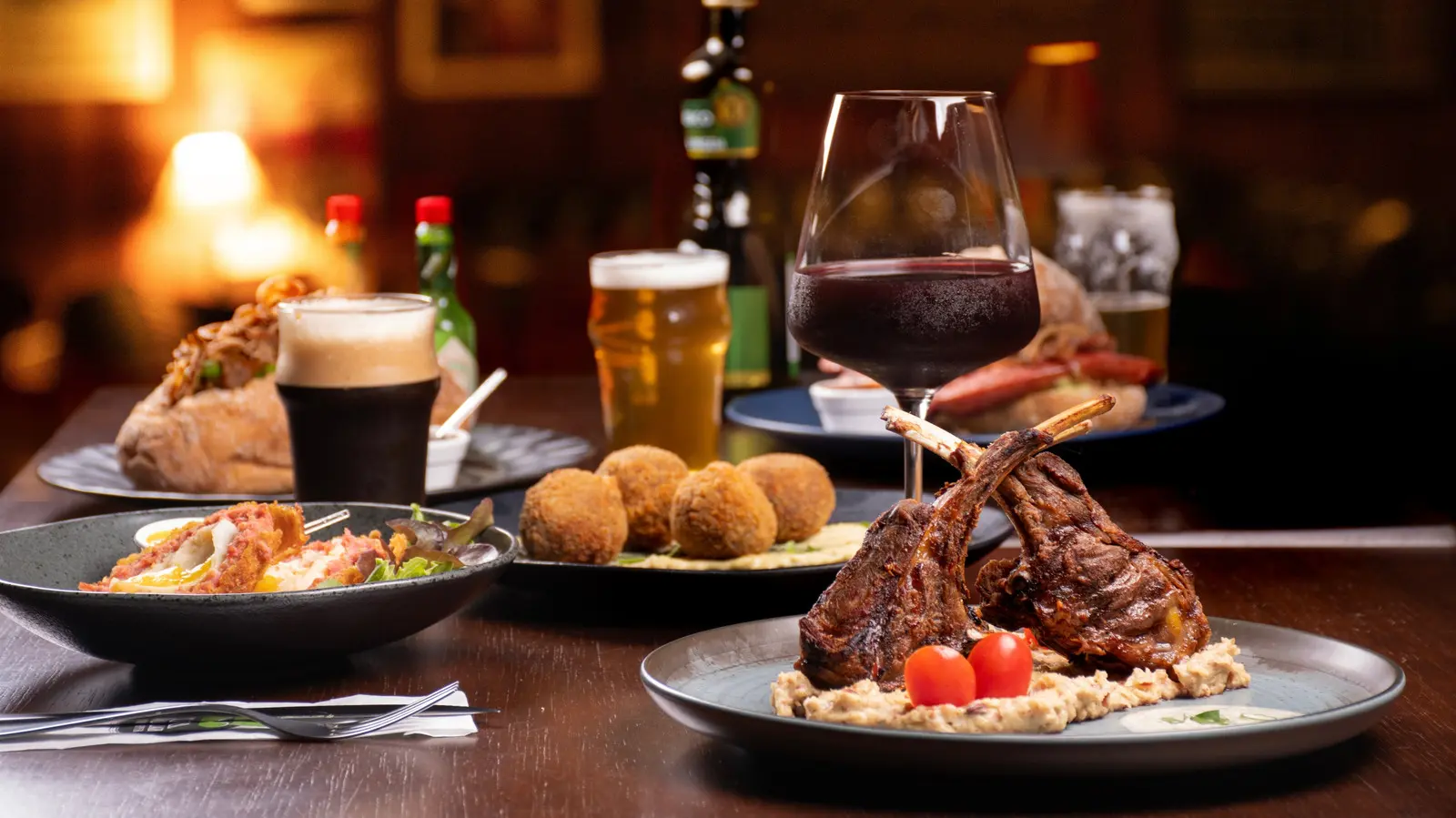 Costco Frozen Shrimp Rivals Steakhouse Appetizers
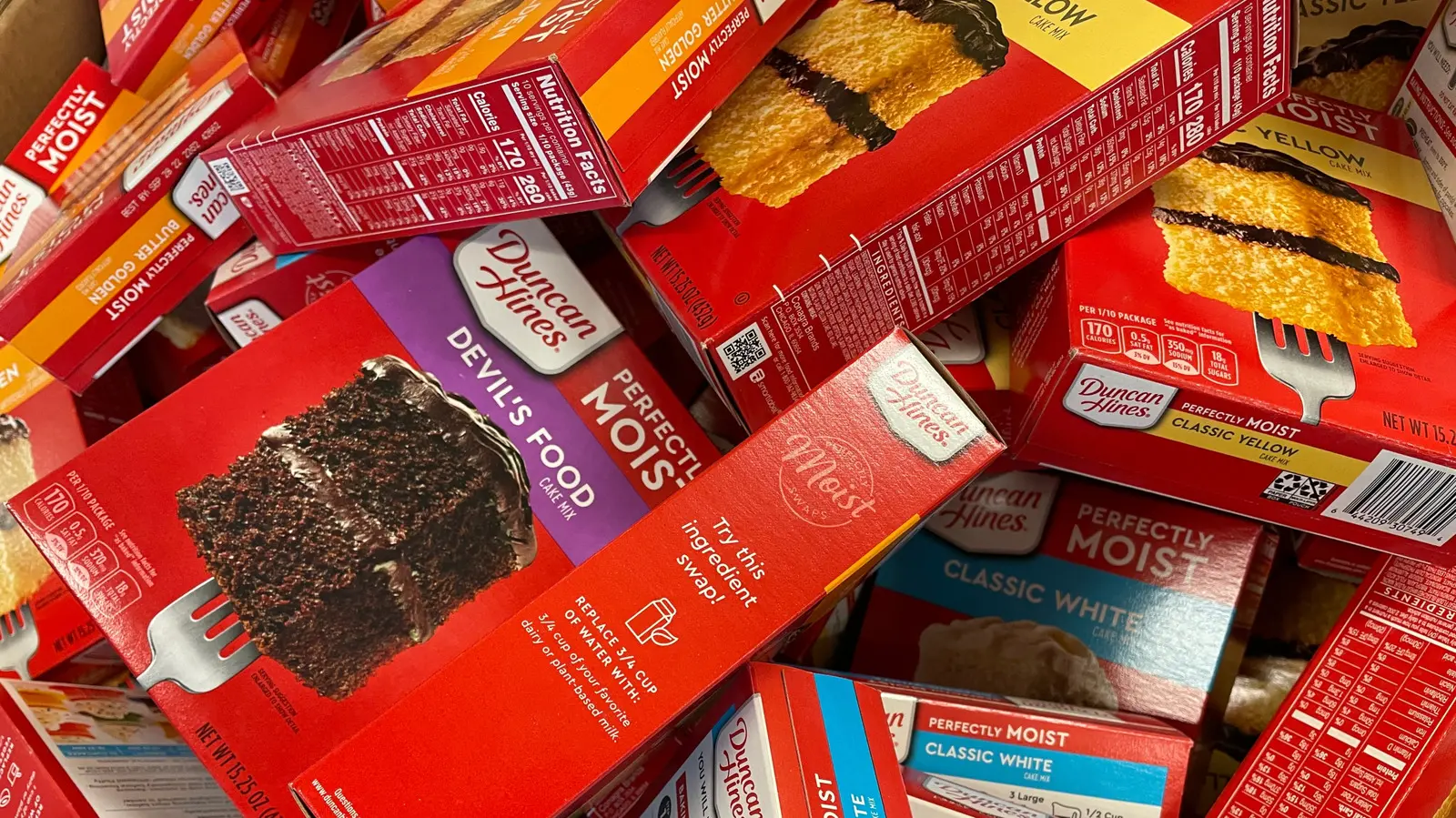 Skip Store‑Shelf German Chocolate for This Rich Duncan Hines Cake Mix
 Severed Sun: A Blood-Red Bourbon Halloween Cocktail
The investigation focused on a range of single‑malt whiskies aged in various cask types. Scientists sampled barrels at different stages, measuring volatile molecules. They identified a group of esters that mimic the scent of ripe mangoes. These esters form when yeast metabolises sugars and interacts with wood‑derived compounds.
Yeast produces a complex cocktail of alcohols, aldehydes, and esters during fermentation. When the spirit contacts oak, it absorbs lignin and tannins that further break down. The combination of these substances creates new aroma molecules. The mango‑like esters, such as ethyl butyrate and isoamyl acetate, are naturally present in many fruits. Their concentration increases in casks that have previously held tropical fruit wines or sherry.
Can Distillers Control the Mango Effect?
Distilleries that use „fruit‑cask” finishes can amplify these notes. By reusing barrels that once held mango wine, the whisky picks up additional ester content. The study confirmed that even a single barrel of mango‑infused sherry can leave a lasting tropical imprint on the spirit.
Distillers now have a clearer roadmap for tailoring flavors. By selecting specific yeast strains and cask histories, they can target particular esters. The research suggests that a moderate addition of mango‑infused sherry to the maturation process yields a balanced, subtle mango taste without overpowering the whisky’s core character.
This knowledge also helps explain why some whiskies taste sweeter or fruitier than others. It points to a scientific basis for what was once considered a random variation. Consumers can now look for cask types and maturation timelines that hint at fruity undertones.
The implications extend beyond marketing. Knowledge of ester formation can guide new product lines and collaborations. Whisky‑makers may experiment with different fruit‑cask combinations to create seasonal releases or limited editions. The science also offers a way to preserve consistency across batches, ensuring that a mango note appears reliably.
Frequently Asked Questions
What causes the mango aroma in whisky? The aroma comes from esters formed during fermentation and aging. Yeast and wood interactions produce compounds that resemble mango scent.
Can I find this mango note in all whiskies? No. Only whiskies matured in casks with a history of tropical fruit wines or sherry show significant mango‑like esters.
Will adding mango directly to the whisky change its flavor? Direct addition is uncommon. The natural ester formation during cask aging is preferred for subtle, balanced flavors.
Content written by [email protected] (Lee Musho) for fancy-meals.com editorial team, AI-assisted.