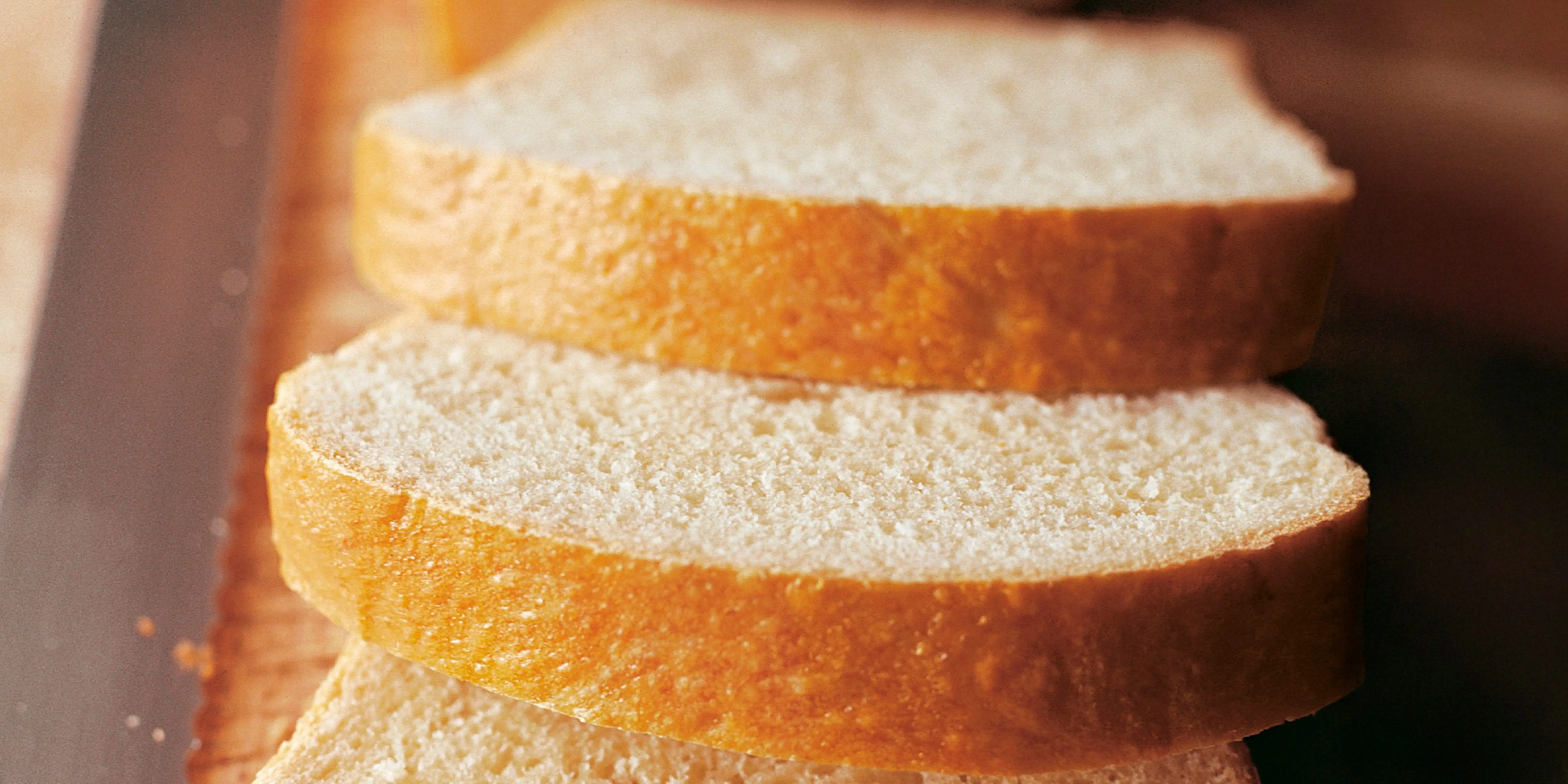
Ina Garten’s Honey White Bread Recipe Explained
Why Honey Works Better Than Sugar in This Bread
Ina Garten, the beloved Barefoot Contessa, shares a simple yet elegant honey white bread recipe that has become a staple in home kitchens. The recipe, featured through Delish’s editorial selection, highlights Garten’s approach to accessible baking with pantry-friendly ingredients. It emphasizes technique over complexity, making it suitable for both novice and experienced bakers seeking a soft, slightly sweet loaf.
Latest news
 The Ultimate Homemade Chili Recipe for Cold Weather
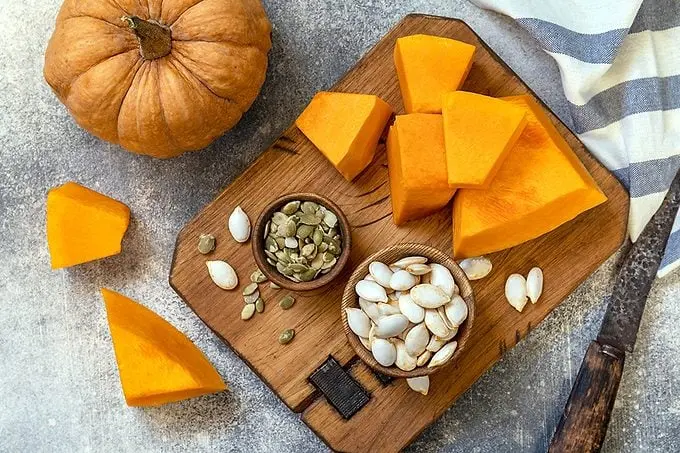 The Nutritional Power of Pumpkin Beyond Seasonal Desserts
 A Culinary Journey Through the 30th Epcot International Food and Wine Festival
 Burger King Unleashes Hello Kitty Kids' Meal with Ultra-Rare Golden Collectible
The bread relies on honey not only for sweetness but also for moisture and browning, contributing to a tender crumb and golden crust. Garten’s method includes a two-stage rise, which develops flavor and texture without requiring advanced skills. Delish editors note that the recipe was chosen for its reliability and consistent results, reflecting Garten’s philosophy of making gourmet approaches feel attainable. The process avoids specialty equipment, using standard mixing bowls and loaf pans.
How Long Should You Let the Dough Rise?
Honey adds more than sweetness; its hygroscopic nature helps retain moisture, keeping the bread soft longer than versions made with granulated sugar. It also promotes Maillard browning during baking, enhancing crust color and flavor depth. Garten specifies using a mild honey to avoid overpowering the delicate balance of flavors. The liquid form integrates smoothly into the dough, ensuring even distribution without needing to dissolve crystals first.
The recipe calls for two rises: first after mixing, until doubled in size (about 1 to 1.5 hours), and second after shaping, until puffy (approximately 45 minutes). Garten advises bakers to rely on visual cues rather than strict timing, as room temperature affects fermentation. Overproofing can cause collapse, while underproofing leads to dense texture. A gentle finger press test—where the indentation slowly springs back—indicates readiness for baking.
Can I substitute maple syrup for honey? Yes, but use the same volume and expect a distinct flavor profile and slightly darker crust due to maple’s stronger taste and different sugar composition.
Frequently Asked Questions
Is bread flour necessary, or can I use all-purpose? All-purpose flour works, though bread flour’s higher protein content yields a chewier texture and better rise; for a softer loaf, stick with all-purpose as Garten recommends.
How do I store the bread to keep it fresh? Cool completely, then store in a paper bag inside a plastic bag at room temperature for up to three days; for longer storage, slice and freeze in an airtight container for up to one month.
Content written by Lucas Carter for fancy-meals.com editorial team, AI-assisted.