
Scotch Whisky’s Unexpected Flavor Boost Comes From A Simple Kitchen Staple
Why Salt Turns Scotch Into a More Rounded Sip
A new tasting trend is emerging among Scotch enthusiasts: pairing the spirit with a humble pantry item to unlock deeper aromas. Researchers at the Glenburn Institute conducted blind tastings in Edinburgh last month, revealing that a pinch of sea salt dramatically enhances the malt’s fruit and smoke notes. The study, involving 120 participants, compared neat Scotch, Scotch with a lemon wedge, and Scotch with a dash of sea salt, finding the salted version consistently rated highest for complexity and balance.
Latest news
 Moe's Southwest Grill Menu Items Ranked from Worst to Best
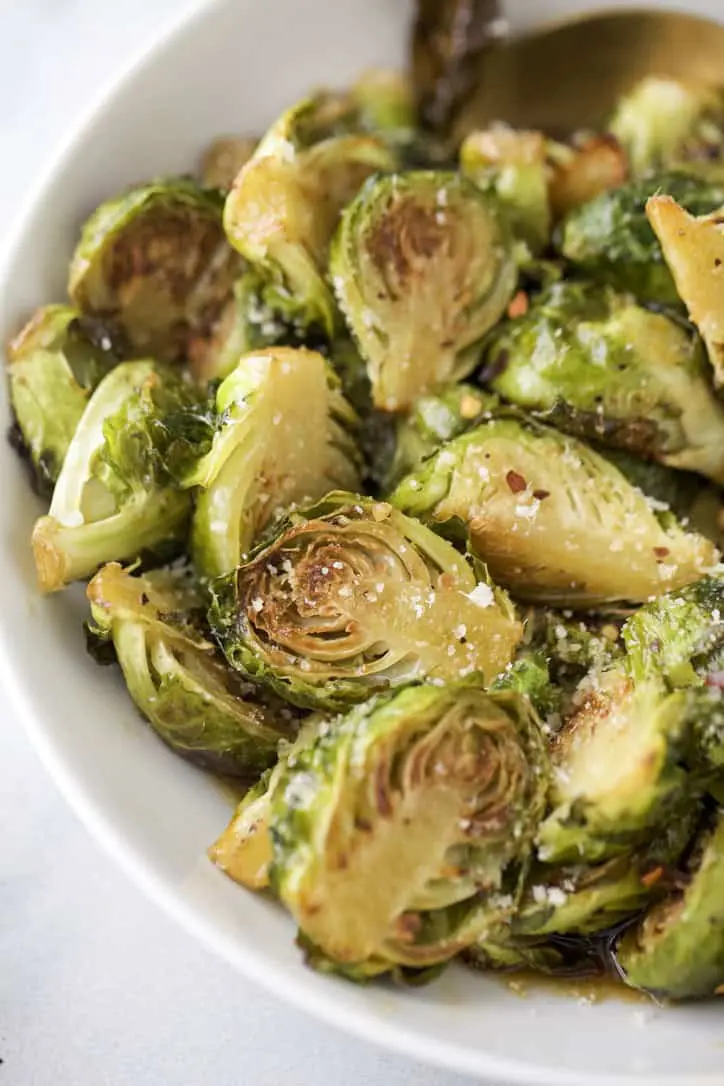 Hot Honey Brussels Sprouts: A Sweet‑Spicy Side That Turns Heads
 Turn Your Pasta Sauce Into a Nutritional Powerhouse
 West Coast IPAs vs East Coast IPAs: A Flavor Battle Across the United States
The experiment built on the long‑standing tradition of matching Scotch with steak or cigars, but sought a more accessible companion for home drinkers. Scientists explained that the mineral content of sea salt interacts with the whisky’s ester compounds, reducing perceived bitterness while amplifying sweet and woody flavors. „A tiny grain of salt acts like a lens, focusing the spirit’s natural palate,” said Dr. Fiona MacLeod, lead chemist on the project. The researchers also noted that the effect varies by whisky style; smoky Islay malts showed the most pronounced improvement, while lighter Speysides benefited from a subtler touch.
The chemistry behind the pairing is straightforward. Sodium ions bind to certain aromatic molecules, altering how they are perceived by the tongue. In practice, a single pinch—about 0.2 grams—added to a standard pour (45 ml) is enough to shift the balance without overwhelming the drink. Participants reported a smoother mouthfeel and a lingering caramel finish that was absent in the control samples.
Can You Replace Sea Salt With Other Pantry Items?
Industry insiders are taking note. Several boutique distilleries have begun offering „salt‑enhanced” tasting flights, and mixologists are experimenting with salted whisky cocktails that highlight the same principle. The trend also aligns with a broader consumer shift toward minimalist food‑and‑drink pairings that rely on a single, well‑chosen element to elevate flavor.
While sea salt proved the most effective, the study also tested alternatives such as smoked paprika, cocoa powder, and a dash of espresso. These additions produced mixed results; cocoa added a bitter edge, and paprika introduced an unwanted heat. Espresso, however, offered a modest boost in richness for certain bourbons but fell short for Scotch’s delicate profile. The consensus among tasters was that the mineral purity of sea salt remains unmatched for this purpose.
Looking ahead, the findings could reshape how bars and home enthusiasts approach whisky tasting. By simply reaching for a salt shaker, drinkers can explore new dimensions of their favorite Scotch without costly accessories or elaborate food pairings. As the trend spreads, we may see a resurgence of „salt‑first” tasting protocols in whisky festivals and educational workshops, encouraging a more experimental yet approachable culture.
Frequently Asked Questions
How much sea salt should I add to a single dram? A pinch—roughly 0.2 grams—mixed into a 45 ml pour is sufficient. Too much can mask the whisky’s character.
Does the type of sea salt matter? Fine‑grained, unrefined sea salt works best because it dissolves quickly and retains natural minerals that interact with the whisky.
Can I use this technique with other spirits? The effect is most pronounced with Scotch due to its complex malt profile, but a modest salt addition can also enhance certain bourbons and rye whiskeys, though results vary.
Content written by Isabelle Fontaine for fancy-meals.com editorial team, AI-assisted.