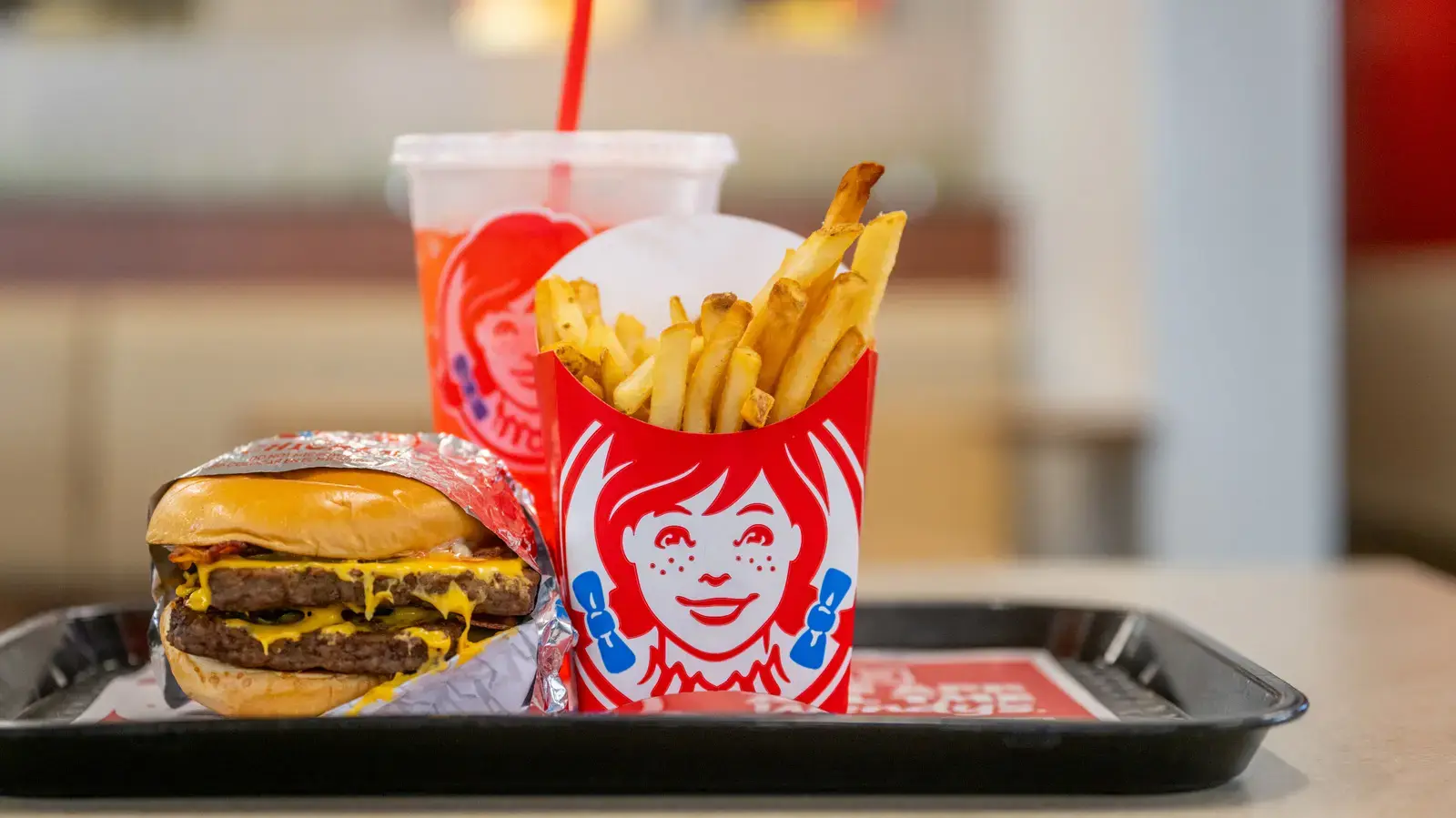
Wendy's Bets Big On Hydroponic Tomatoes For Future Menu
Precision Farming Meets Fast Food Standards
Wendy's is transforming its supply chain by shifting tomato sourcing to hydroponic farms. This major strategic move targets the quality of fresh produce used in salads and sandwiches. The fast-food giant aims to secure a consistent supply of high-quality ingredients. This change marks a significant departure from traditional agricultural methods. The company believes this approach will enhance flavor and freshness for customers.
Latest news
 Prosciutto Elevates the Classic Grilled Cheese Sandwich
 Costco Frozen Shrimp Rivals Steakhouse Appetizers
 Skip Store‑Shelf German Chocolate for This Rich Duncan Hines Cake Mix
 Severed Sun: A Blood-Red Bourbon Halloween Cocktail
The decision reflects a broader trend in the food industry toward controlled environment agriculture. Hydroponics allows for year-round production regardless of weather conditions. Wendy's executives view this method as essential for maintaining consistency across thousands of locations. By partnering with specialized growers, the chain ensures that tomatoes meet strict visual and taste standards. This strategy reduces reliance on seasonal harvests that can vary in quality. It also minimizes the need for long-distance shipping, which often degrades freshness.
Traditional farming exposes crops to unpredictable variables like rain and pests. Hydroponic systems eliminate many of these risks by controlling water and nutrients directly. Wendy's partners with facilities that use soilless growing techniques. These farms monitor plant health with advanced sensors and data analytics. The result is a tomato that is uniform in size and color. Consistency is critical for a global brand where every burger must look the same. Customers expect a specific experience whether they dine in New York or Tokyo. Hydroponics provides the reliability needed to meet those expectations. The technology also uses less water than conventional field farming. This aligns with corporate sustainability goals without compromising yield.
Why Does Freshness Matter So Much?
Fresh ingredients are a key differentiator in the competitive fast-food market. Wendy's has long marketed itself on the quality of its beef and buns. Extending that promise to vegetables strengthens the brand identity. A wilted or bland tomato undermines the entire meal. By securing a premium product, the chain protects its reputation. The shift also addresses consumer demand for cleaner, fresher options. Many diners now scrutinize ingredient origins more closely. Transparency in sourcing builds trust with health-conscious customers. Wendy's positions this innovation as a win-win for both quality and efficiency. It demonstrates that fast food can adopt sophisticated agricultural practices. The company plans to expand this model to other produce items over time.
The transition to hydroponic sourcing sets a new benchmark for the industry. Other chains may follow suit to improve their own supply chains. This move could influence how farmers plan their crops for the next decade. It signals that technology is reshaping even the most basic menu items. Wendy's leadership remains committed to this path despite higher initial costs. They believe the long-term benefits outweigh the investment. As climate patterns become more erratic, controlled environments offer stability. The future of fast food dining may depend on these quiet innovations behind the scenes. Consumers will likely notice the difference in texture and taste first.
Frequently Asked Questions
Does Wendy's use hydroponic tomatoes in all locations? The rollout is gradual and depends on regional partner availability. Not every store has access to local hydroponic suppliers yet. The company aims to expand coverage nationwide over the coming years.
How does hydroponic farming differ from traditional farming? Hydroponics grows plants in nutrient-rich water instead of soil. This method allows for precise control over growth conditions. It typically results in faster growth and fewer pesticide needs.
Will this change the price of Wendy's menu items? The cost impact is currently absorbed within operational adjustments. Wendy's aims to maintain stable pricing for consumers. Efficiency gains in the supply chain help offset any premium costs.
Content written by [email protected] (Hilary Wheelan Remley) for fancy-meals.com editorial team, AI-assisted.