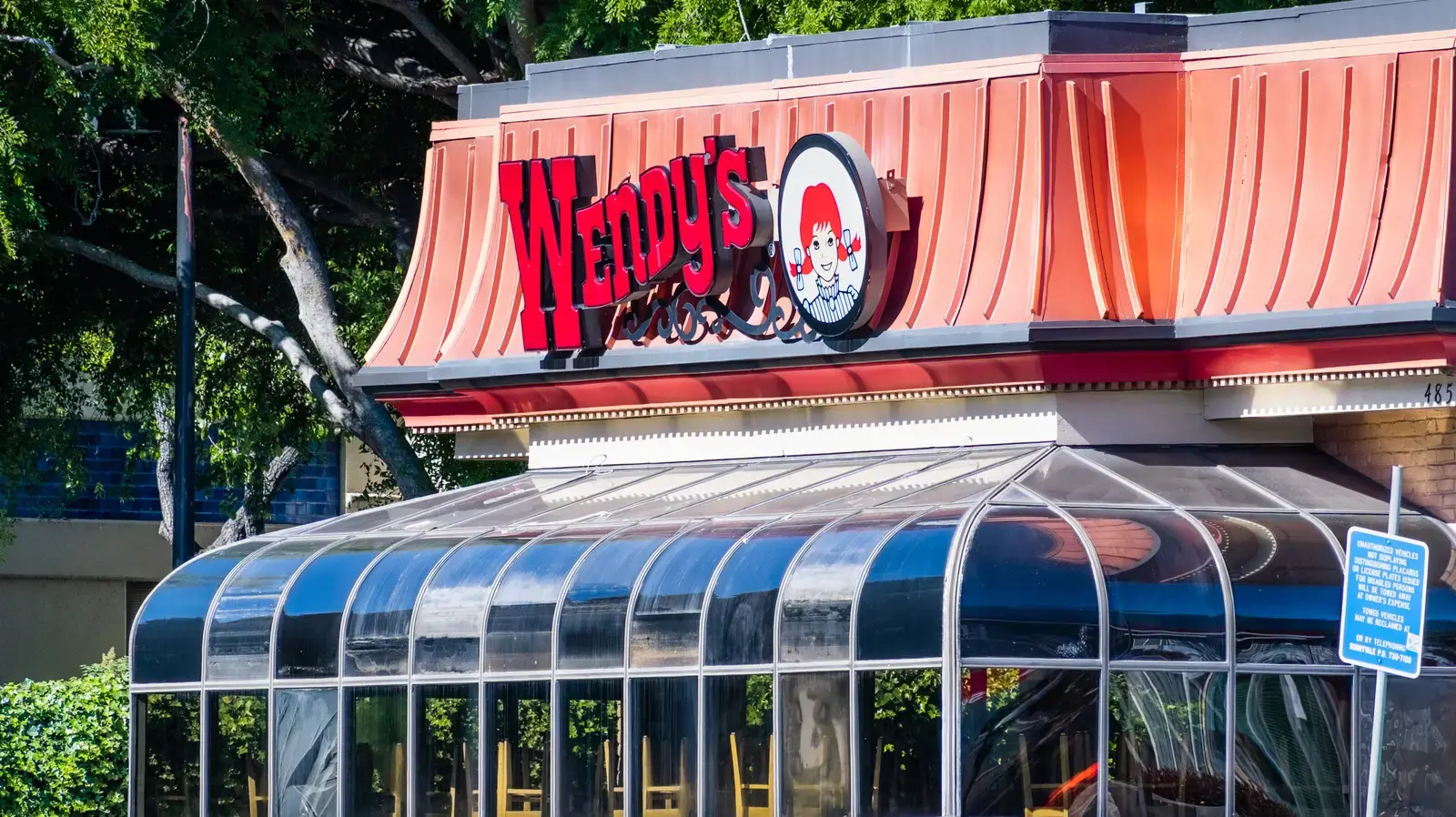
Wendy’s Lost Its Iconic 1980s Diner Feature
The Disappeance of the Classic Play Area
Wendy’s fast-food chains once included a specific architectural element that defined the dining experience for millions of customers. This feature was standard in locations built during the 1980s but has largely disappeared from modern branches. Fans today recall the design with strong nostalgia, marking a significant shift in how the brand presents itself to the public.
Latest news
 Prosciutto Elevates the Classic Grilled Cheese Sandwich
 Costco Frozen Shrimp Rivals Steakhouse Appetizers
 Skip Store‑Shelf German Chocolate for This Rich Duncan Hines Cake Mix
 Severed Sun: A Blood-Red Bourbon Halloween Cocktail
The chain has always aimed to distinguish itself from competitors like McDonald’s. It achieved this through unique menu items such as baked potatoes and square beef patties. However, the physical layout of its restaurants played an equally crucial role in building brand identity. The interior design of the era created a distinct atmosphere that set Wendy’s apart from other quick-service options available at the time.
The specific feature in question is the dedicated children’s play area, often referred to as a „Play Place.”In the 1980s, many Wendy’s locations installed these indoor playgrounds to attract families. These spaces featured climbing structures, slides, and other interactive elements designed to keep young guests entertained while parents ordered food. The presence of these areas made the restaurant a destination rather than just a stop for a quick meal.
Why Families Still Remember the Old Layout
Over time, the chain began to remove these play spaces from new constructions and renovations. Several factors contributed to this decision. Space constraints in urban areas made large indoor playgrounds difficult to fit. Additionally, maintaining clean and safe equipment required significant labor and resources. The shift toward faster service models also reduced the emphasis on lingering in-store, making dedicated play zones less practical for business operations.
Nostalgia for these play areas remains strong among older generations. Many adults who grew up in the 1980s and 1990s associate their childhood memories of Wendy’s with the excitement of visiting the play zone. Social media discussions frequently highlight how rare these features have become. Customers often express surprise when they visit a location that still retains some form of this classic design, noting how much the dining environment has changed since their youth.
The removal of these features reflects broader trends in the fast-food industry. Chains now prioritize drive-thru efficiency and digital ordering over in-store amenities. While some newer locations offer small seating areas for kids, the expansive, structured play environments of the past are increasingly uncommon. This evolution signals a move toward a more streamlined, transactional customer experience.
Frequently Asked Questions
Did all Wendy’s locations have play areas in the 1980s? No, not every single location included a full play area. However, many larger stores, particularly those in suburban areas, featured dedicated indoor playgrounds as a standard part of their design during that decade.
Why did Wendy’s remove these features? The chain removed them to save space and reduce maintenance costs. Modern business strategies focus on faster turnover and efficient layouts, which leave less room for large, static attractions like indoor playgrounds.
Can you still find these features today? Yes, but they are rare. Some older locations that have not been fully renovated may still retain parts of their original play areas, though most new builds omit them entirely.
Content written by Victoria Lane for fancy-meals.com editorial team, AI-assisted.