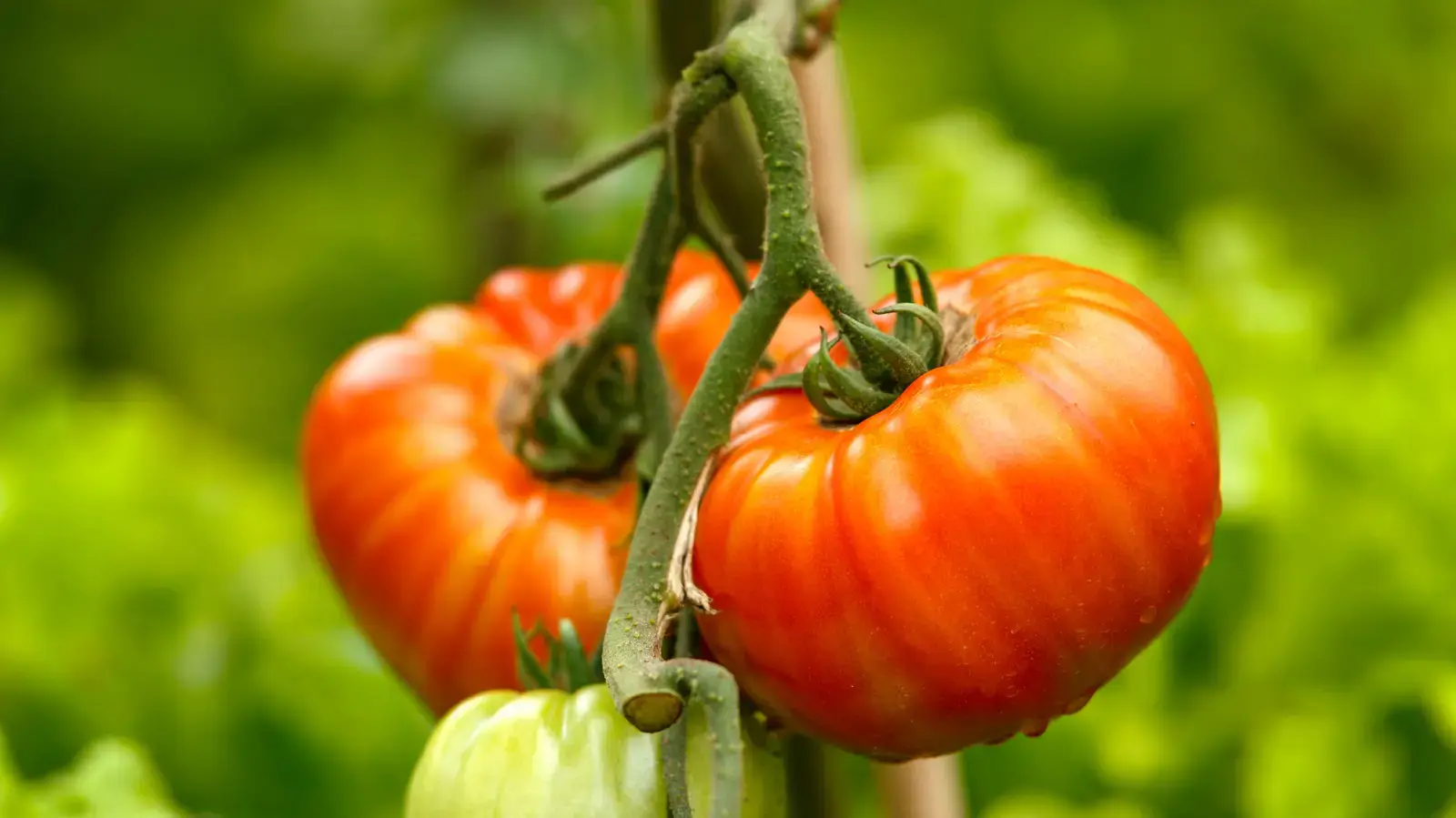
The Best Type of Tomatoes for Creamy, Five-Star Tomato Soup
Many home cooks overlook this step, but it’s key to achieving
Choosing the right tomato variety makes all the difference when crafting a rich, velvety soup that earns top marks. For a truly luxurious texture and deep flavor, ripe plum tomatoes stand out as the ideal choice, especially when simmered slowly to release their natural sweetness and low water content. This approach ensures a thick, creamy base without needing excessive thickening agents, letting the tomato shine. Plum tomatoes, such as Roma or San Marzano, contain fewer seeds and less juice than slicing varieties, which helps prevent a watery soup. Their firm flesh breaks down evenly during cooking, creating a smooth puree that blends beautifully with cream or butter. When roasted first, their sugars caramelize, adding a subtle complexity that elevates the entire dish.
Latest news
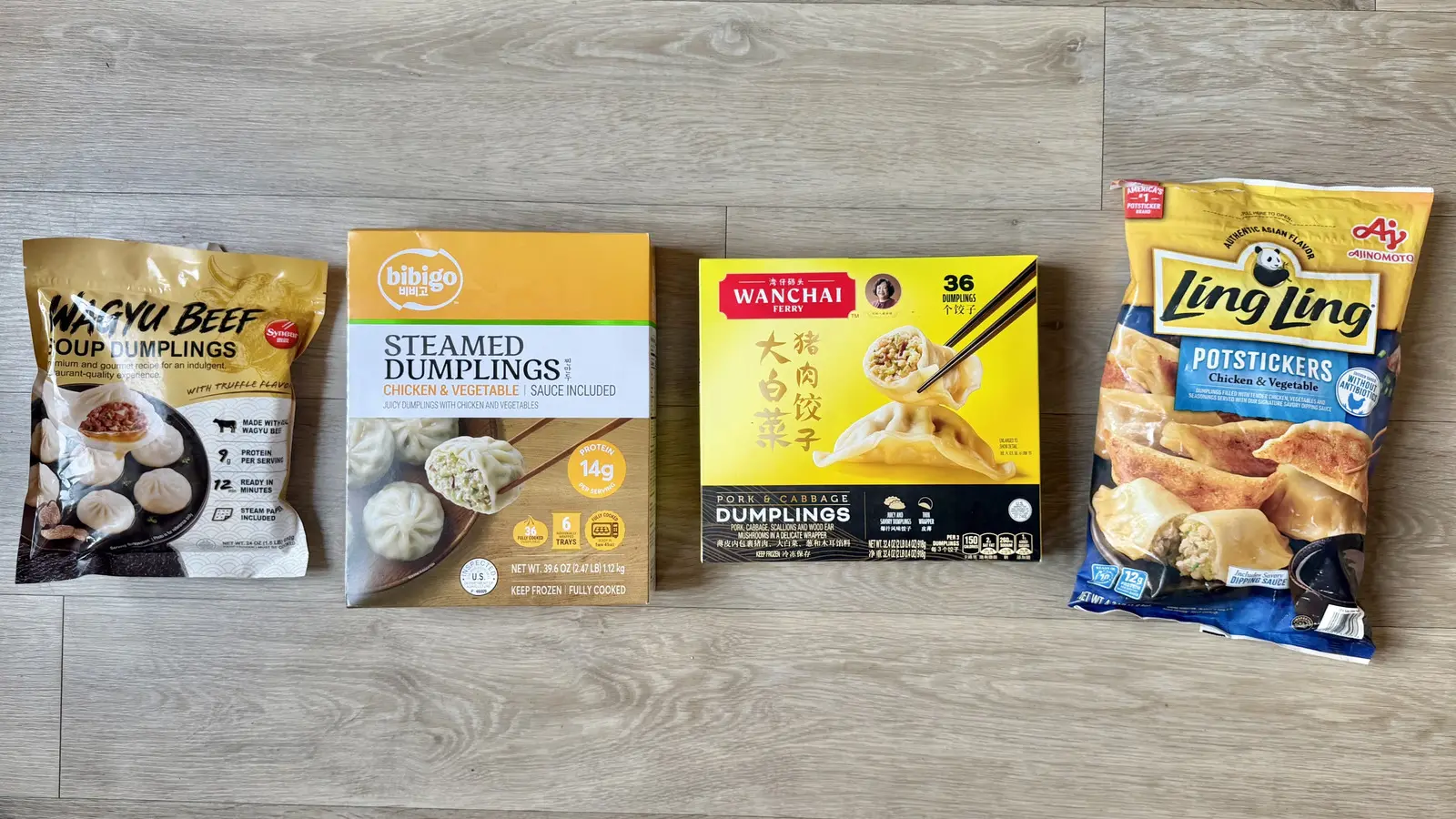 Costco's Frozen Dumpling Lineup, Ranked From Least To Most Tasty
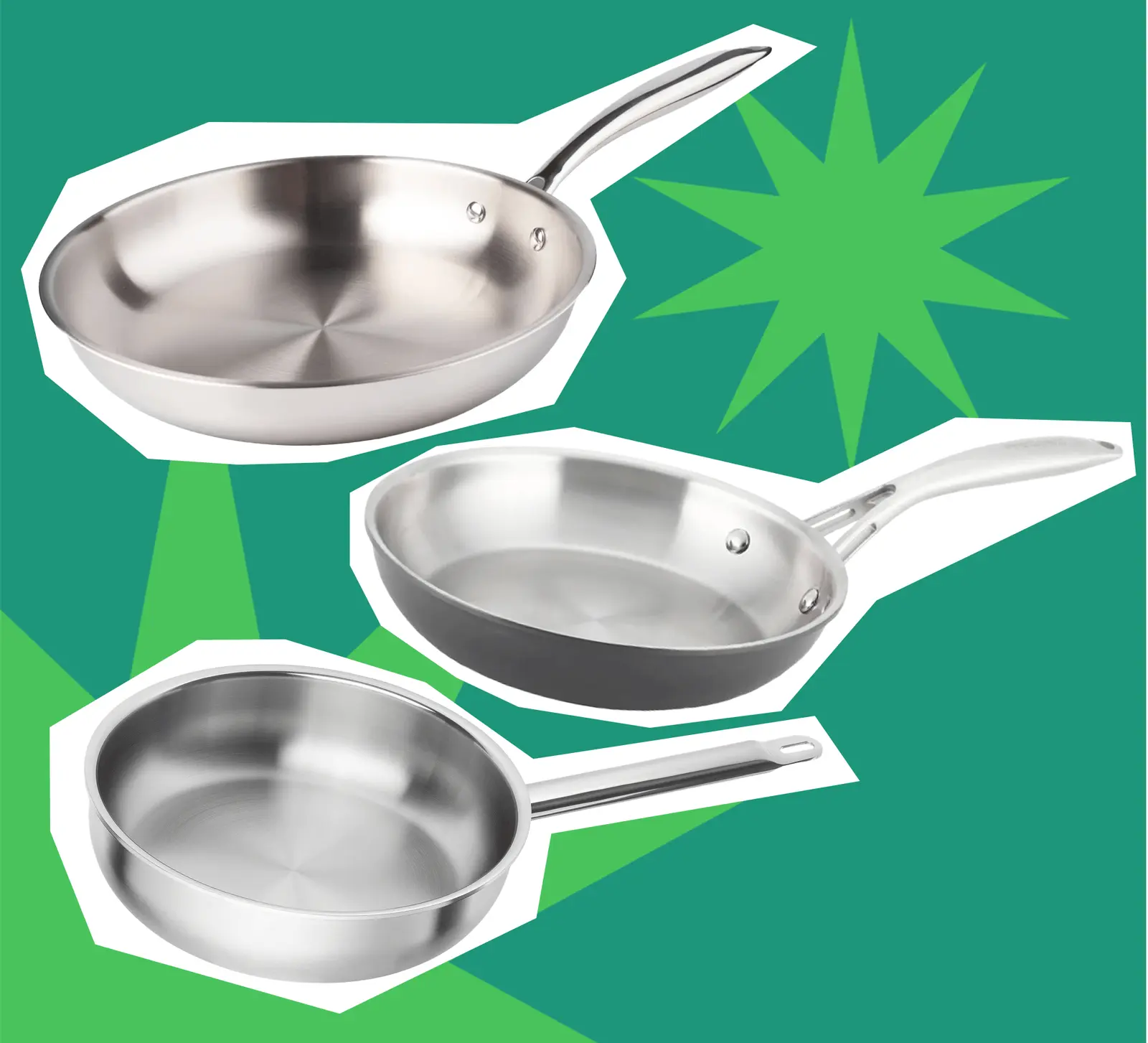 Best stainless-steel frying pans 2026: expert-tested picks for searing, eggs and daily cooking
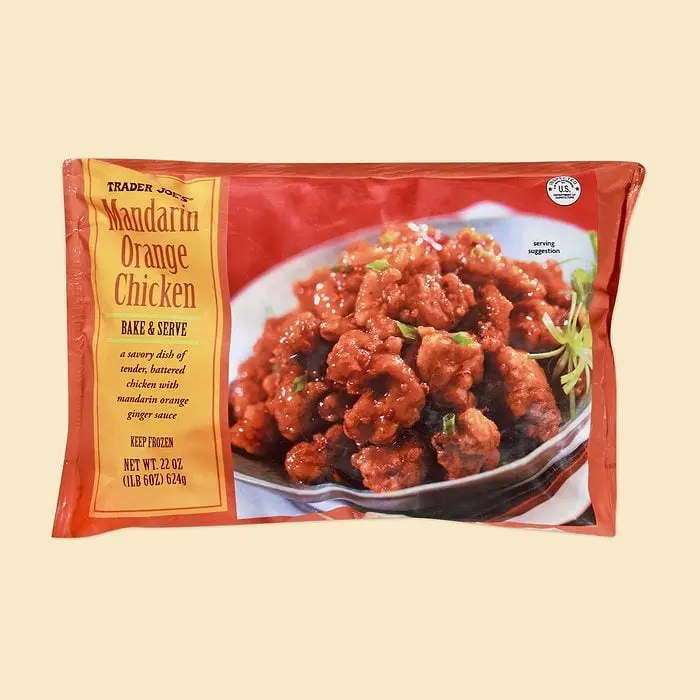 Trader Joe’s First‑Time Shopper Guide: Must‑Try Items
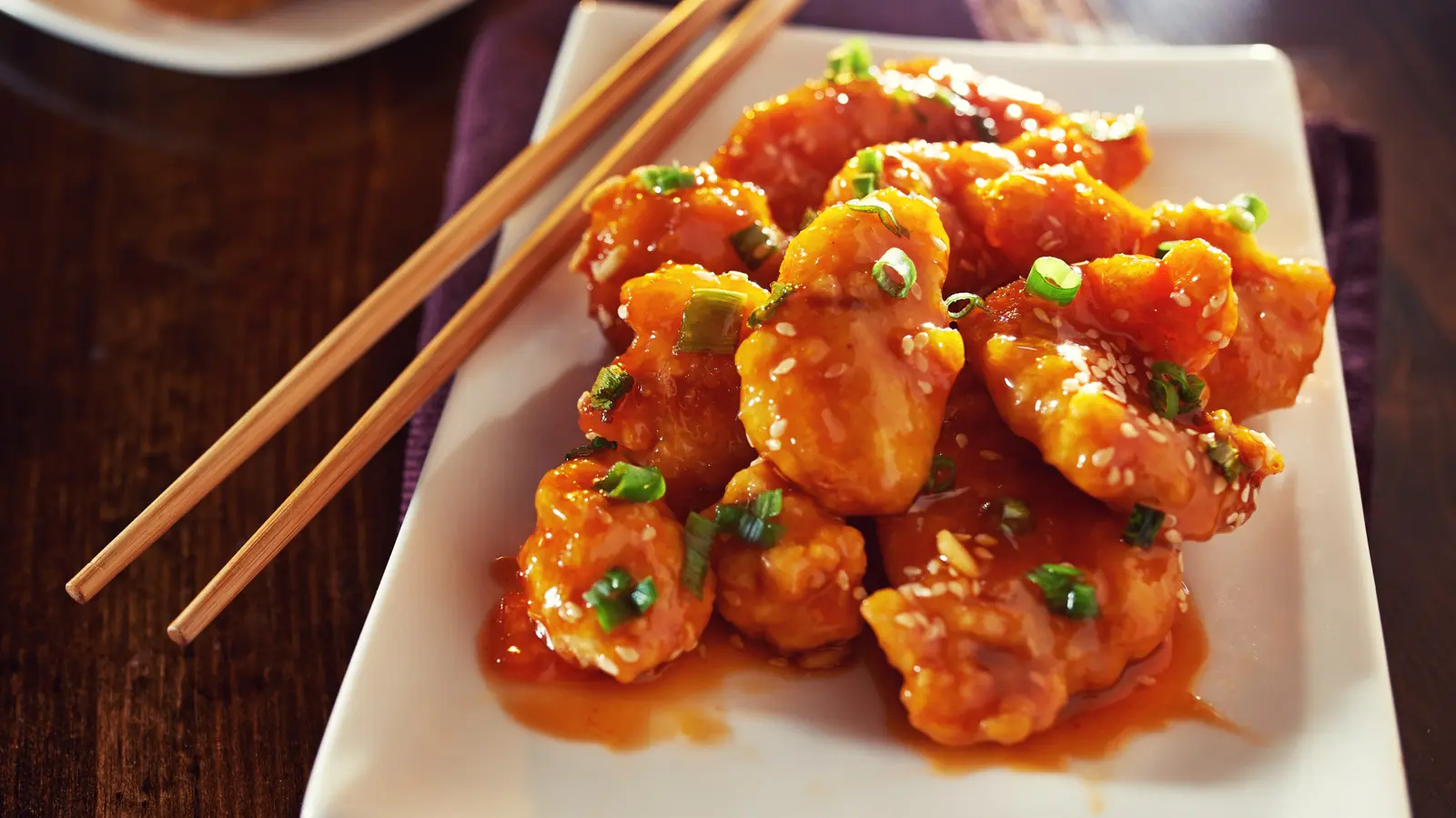 Panda Express vs P.F. Chang's: Which Orange Chicken Is Healthier?
Many home cooks overlook this step, but it’s key to achieving restaurant-quality depth. Why Roasting Tomatoes Transforms the Soup Roasting concentrates the tomato’s flavor by evaporating excess moisture and triggering the Maillard reaction, which produces savory, umami-rich notes. This process also softens the cell walls, making the tomatoes easier to blend into a silkier consistency. A drizzle of olive oil and a pinch of salt before roasting enhance this effect, drawing out natural sugars while balancing acidity. The result is a soup that tastes deeply tomato-forward without being sharp or one-dimensional. How Does Tomato Variety Affect Texture? The structure of the tomato directly impacts the final mouthfeel. Beefsteak tomatoes, while juicy and flavorful raw, release too much liquid when cooked, often requiring prolonged reduction or added starch to thicken. Cherry tomatoes, though sweet, have a high skin-to-flesh ratio that can leave unpleasant bits unless strained.
Plum tomatoes strike the perfect balance: substantial flesh, minimal seeds, and
Plum tomatoes strike the perfect balance: substantial flesh, minimal seeds, and a texture that breaks down uniformly. This yields a soup that coats the spoon evenly, delivering that coveted creamy, luxurious feel. Frequently Asked Questions Can I use canned tomatoes instead of fresh for this soup? Yes, high-quality canned plum tomatoes work well, especially when fresh aren’t in season. Look for whole peeled varieties with no added salt or herbs for better control over flavor. Is it necessary to peel the tomatoes before making soup? Peeling isn’t required if you plan to blend the soup thoroughly, as the skins break down during cooking and blending. However, for an ultra-smooth finish, blanching and peeling first removes any potential toughness. Does adding cream really make the soup better, or is it optional? While cream adds richness and rounds out acidity, it’s not mandatory.
A velvety texture can be achieved through proper tomato selection and technique alone, though cream enhances the luxurious mouthfeel many associate with five-star soup.
Content written by Victoria Lane for fancy-meals.com editorial team, AI-assisted.