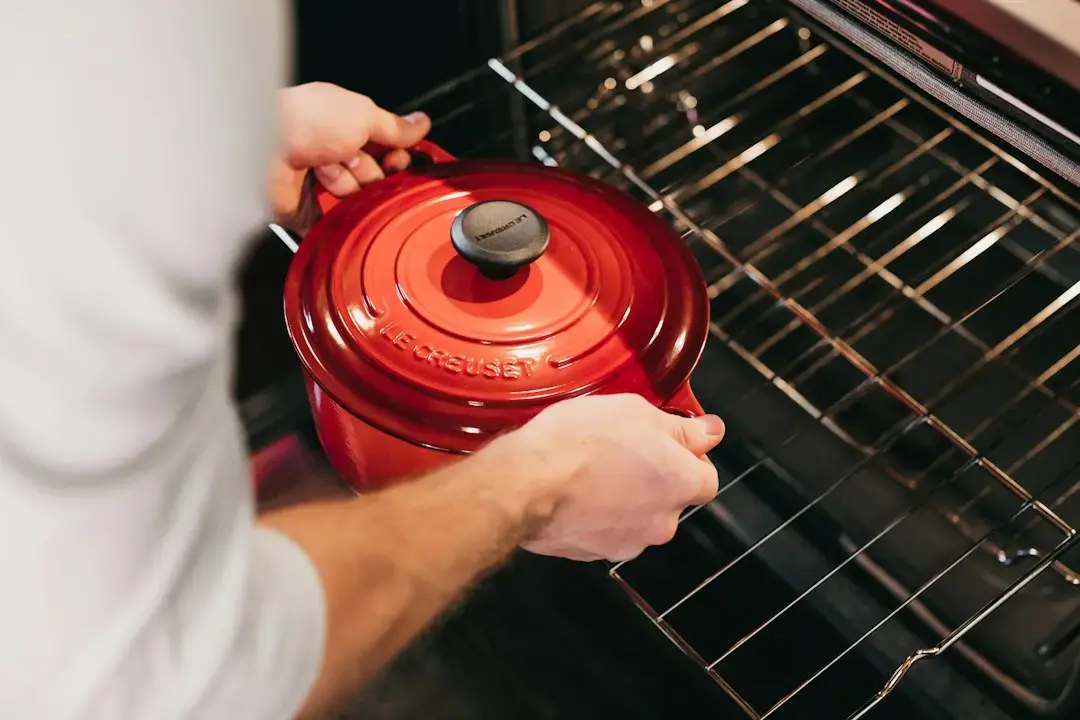
Twenty Dutch Oven Dinners Perfect for Cold Autumn Evenings
Why One Pot Beats Multiple Dishes in Fall
As autumn temperatures drop across the United States, home cooks are turning to their heaviest pots for warmth. The Dutch oven has emerged as the primary vessel for creating comforting meals during this seasonal shift. This sturdy cookware is now central to planning dinners that fight off the chill. Families and individuals alike are prioritizing one-pot solutions for efficiency and flavor. The trend aligns perfectly with the desire for hearty, slow-cooked dishes.
Latest news
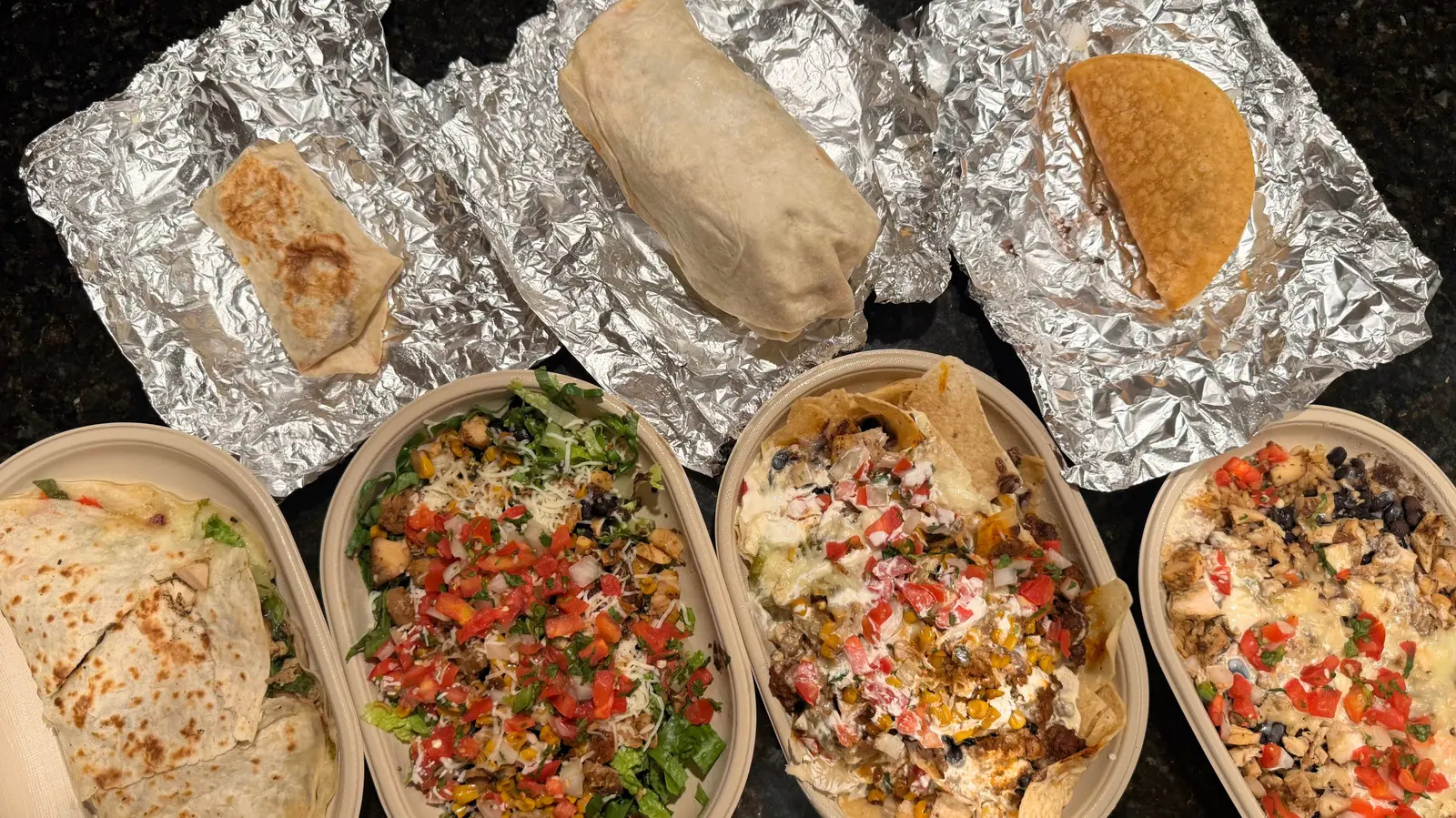 Moe's Southwest Grill Menu Items Ranked from Worst to Best
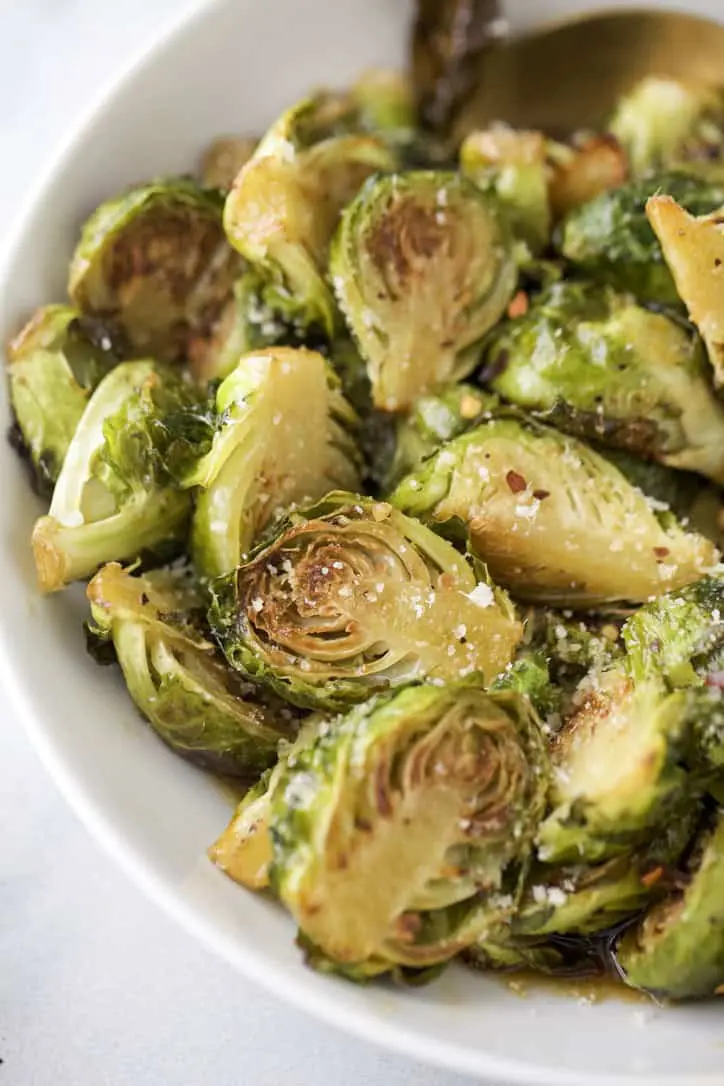 Hot Honey Brussels Sprouts: A Sweet‑Spicy Side That Turns Heads
 Turn Your Pasta Sauce Into a Nutritional Powerhouse
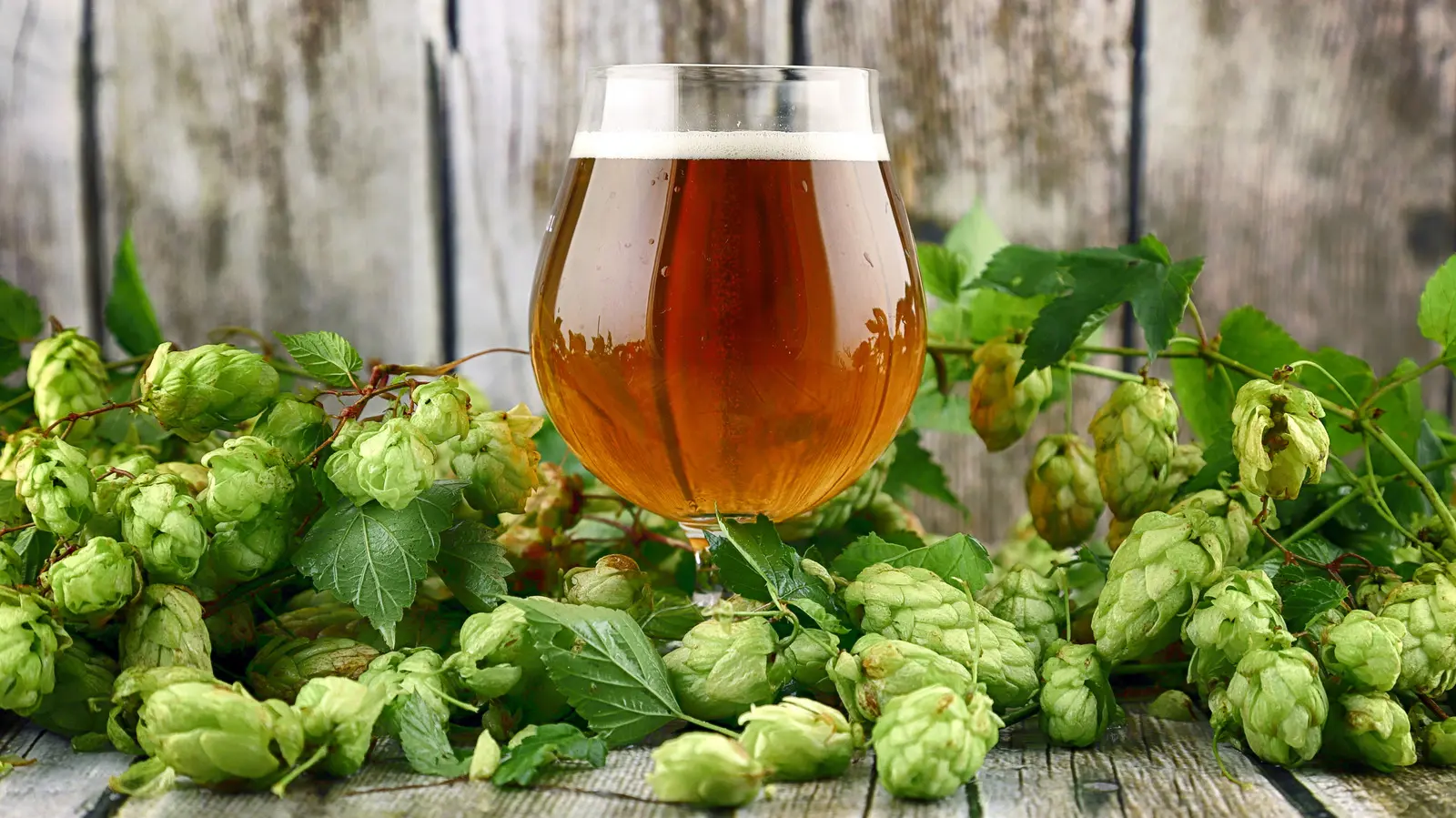 West Coast IPAs vs East Coast IPAs: A Flavor Battle Across the United States
The design of the Dutch oven makes it uniquely suited for cooler months. Its high sides prevent splashing while allowing for large volumes of liquid. The heavy lid traps steam effectively, ensuring consistent heat distribution throughout the cooking process. This capability is ideal for soups, stews, and braises. These dishes require long, gentle simmering to break down tough cuts of meat or vegetables. The result is a meal that feels substantial and satisfying.
Using a single pot simplifies the entire dinner preparation routine. Home cooks spend less time washing dishes after eating. The concentrated flavors develop over hours of low-heat cooking. Ingredients meld together, creating complex taste profiles that individual pans cannot replicate. The heavy cast iron construction retains heat exceptionally well. This means the food stays warm longer on the table. It also allows for direct transfer from stove to oven without changing vessels. This seamless transition supports recipes that start with searing and end with braising. The method yields tender meats and deeply savory sauces.
Does Size Matter for Your Kitchen Space?
Capacity is a critical factor when selecting a Dutch oven for these recipes. Most of the twenty featured dinners require a vessel between five and seven quarts. Smaller pots may struggle with larger roasts or family-sized portions. Larger pots might take too long to heat up evenly. The weight of the pot is another consideration for frequent use. Heavier lids can strain wrists if lifted often. However, the durability of cast iron ensures longevity. Many users report keeping the same pot for decades. The seasoned surface improves with age, reducing sticking issues.
The shift toward Dutch oven cooking reflects a broader culinary preference for comfort. As winter approaches, the demand for these specific recipes will likely increase. Chefs continue to innovate within this format, adding new twists to traditional stews. The versatility of the pot ensures it remains relevant year-round. Yet, its peak utility arrives with the first frost. Cooks are encouraged to stock up on root vegetables and hardy proteins. These ingredients pair best with the slow-cooking nature of the vessel. The outcome is a reliable, delicious meal that requires minimal active supervision.
Frequently Asked Questions
What type of Dutch oven is best for stews? A six-quart cast iron Dutch oven is the standard recommendation. It provides enough space for meat and vegetables while maintaining proper liquid levels. The heavy lid creates a sealed environment for braising.
Can I use a ceramic Dutch oven instead? Yes, ceramic enameled pots work well for acidic liquids like tomato-based stews. They are lighter than cast iron but require more careful handling. Avoid thermal shock by not placing a cold pot on a hot burner.
How long should I braise meat in a Dutch oven? Most braised meats require two to three hours on the stovetop or in the oven. The meat is ready when it pulls apart easily with a fork. Check for tenderness before serving to ensure optimal texture.
Content written by The Pioneer Woman » Pancake for fancy-meals.com editorial team, AI-assisted.