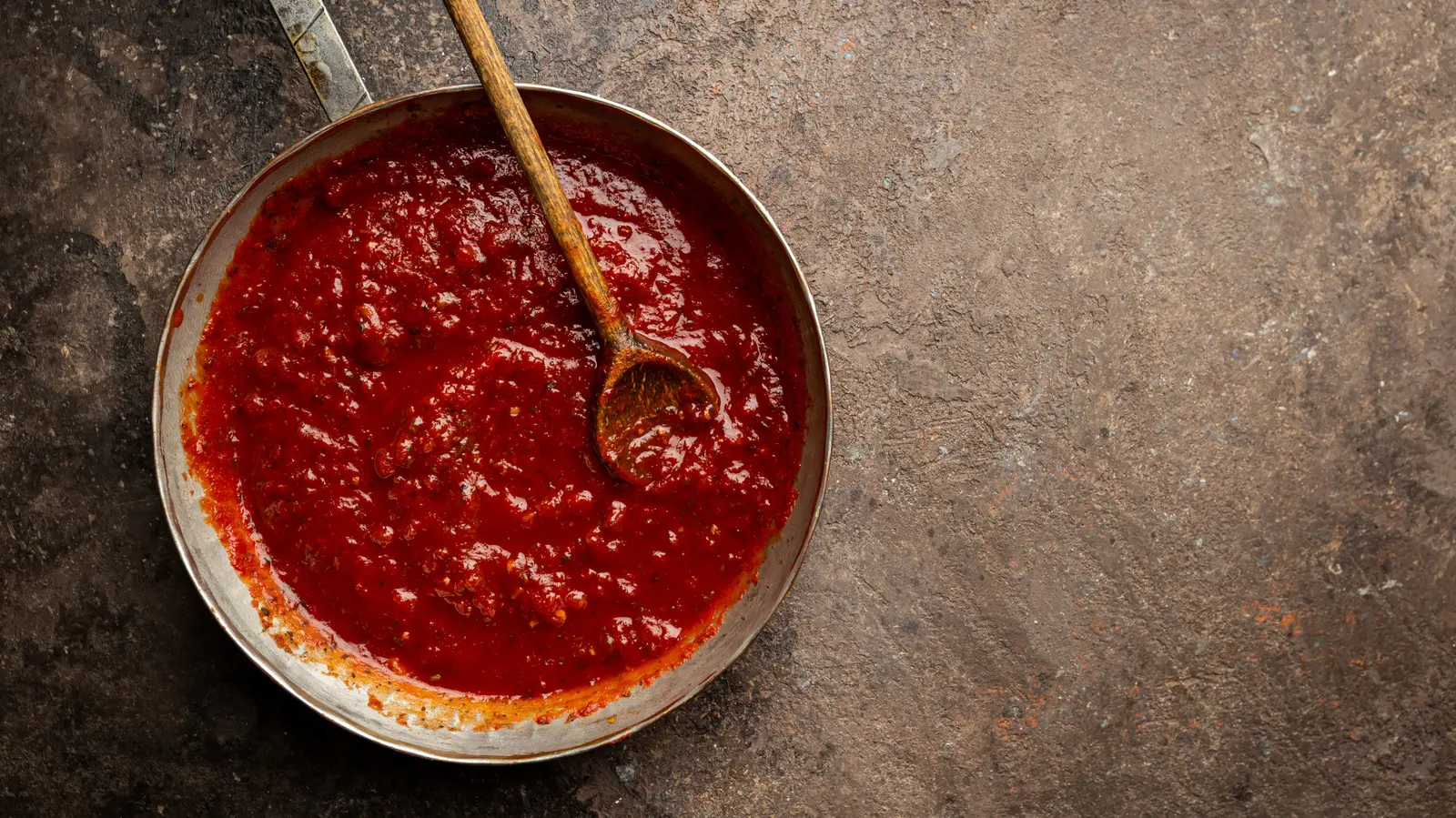
Top Fresh Tomato Variety for Rich Homemade Pasta Sauce
Why Roma Tomatoes Excel in Sauce Production
Fresh plum tomatoes deliver the best texture and flavor for homemade pasta sauce, according to culinary experts. The right variety makes the difference between a watery topping and a thick, rich sauce. Roma tomatoes remain the classic choice for sauce-making due to their meaty flesh and low moisture content.
Latest news
 Costco's Frozen Dumpling Lineup, Ranked From Least To Most Tasty
 Best stainless-steel frying pans 2026: expert-tested picks for searing, eggs and daily cooking
 Trader Joe’s First‑Time Shopper Guide: Must‑Try Items
 Panda Express vs P.F. Chang's: Which Orange Chicken Is Healthier?
The key to exceptional pasta sauce starts with selecting tomatoes that have less water and more pulp. Plum tomatoes, particularly Roma varieties, contain significantly less juice than beefsteak or heirloom types. This natural composition means less time spent simmering to achieve the desired consistency. The dense flesh breaks down slowly during cooking, releasing flavor while maintaining body in the finished sauce.
Roma tomatoes offer several advantages that make them superior for sauce preparation. Their flesh-to-seed ratio is higher than other varieties, meaning more edible material and less waste. The seeds in Roma tomatoes are fewer and smaller, reducing the need for straining. Additionally, these tomatoes have a more concentrated flavor profile that intensifies beautifully during the cooking process.
How to Select and Prepare Your Sauce Tomatoes
Professional chefs consistently recommend Roma tomatoes for marinara and other cooked tomato sauces. The variety's natural sweetness develops depth when heated, creating complex flavors without requiring excessive added sugar or salt. Many Italian cooks prefer San Marzano tomatoes, a specific type of Roma grown in volcanic soil near Naples, though standard Roma varieties work well in most recipes.
When shopping for sauce tomatoes, look for firm specimens with smooth, unblemished skins. The tomatoes should feel heavy for their size and have a deep, rich color without greenish patches. Avoid any with soft spots or wrinkled skins, as these indicate age or poor storage conditions.
For the best results, blanch fresh tomatoes briefly in boiling water to remove skins easily. The skins can add bitterness to sauce, so removing them improves the final flavor. After peeling, crush the tomatoes by hand or with a food mill for the perfect texture. Some cooks prefer to leave seeds intact for added body, while others strain them out for smoother results.
The difference between homemade and store-bought sauce often comes down to tomato quality. Fresh Roma tomatoes, even when out of season, typically produce better flavor than processed alternatives. However, during winter months when fresh tomatoes lack sweetness, high-quality canned San Marzano tomatoes may actually yield superior results.
Frequently Asked Questions
Can I use beefsteak tomatoes for pasta sauce? While possible, beefsteak tomatoes contain more water and seeds, requiring longer cooking times to achieve proper thickness. The final sauce may lack the concentrated flavor that Roma tomatoes provide naturally.
What's the ideal time to harvest tomatoes for sauce? Pick Roma tomatoes when they're fully colored but still firm. This stage offers the best balance of sweetness and acidity for cooking applications.
Should I remove tomato seeds before making sauce? Removing seeds reduces excess moisture and creates a cleaner sauce texture. However, leaving them in adds natural pectin and body, so it depends on your preferred consistency.
Content written by Henry Cross for fancy-meals.com editorial team, AI-assisted.