This Creamy Sauce Is Typically For Pasta, But It Belongs In Your Mashed Potatoes
Chefs note that the starch in potatoes helps stabilize the sauce, preventing
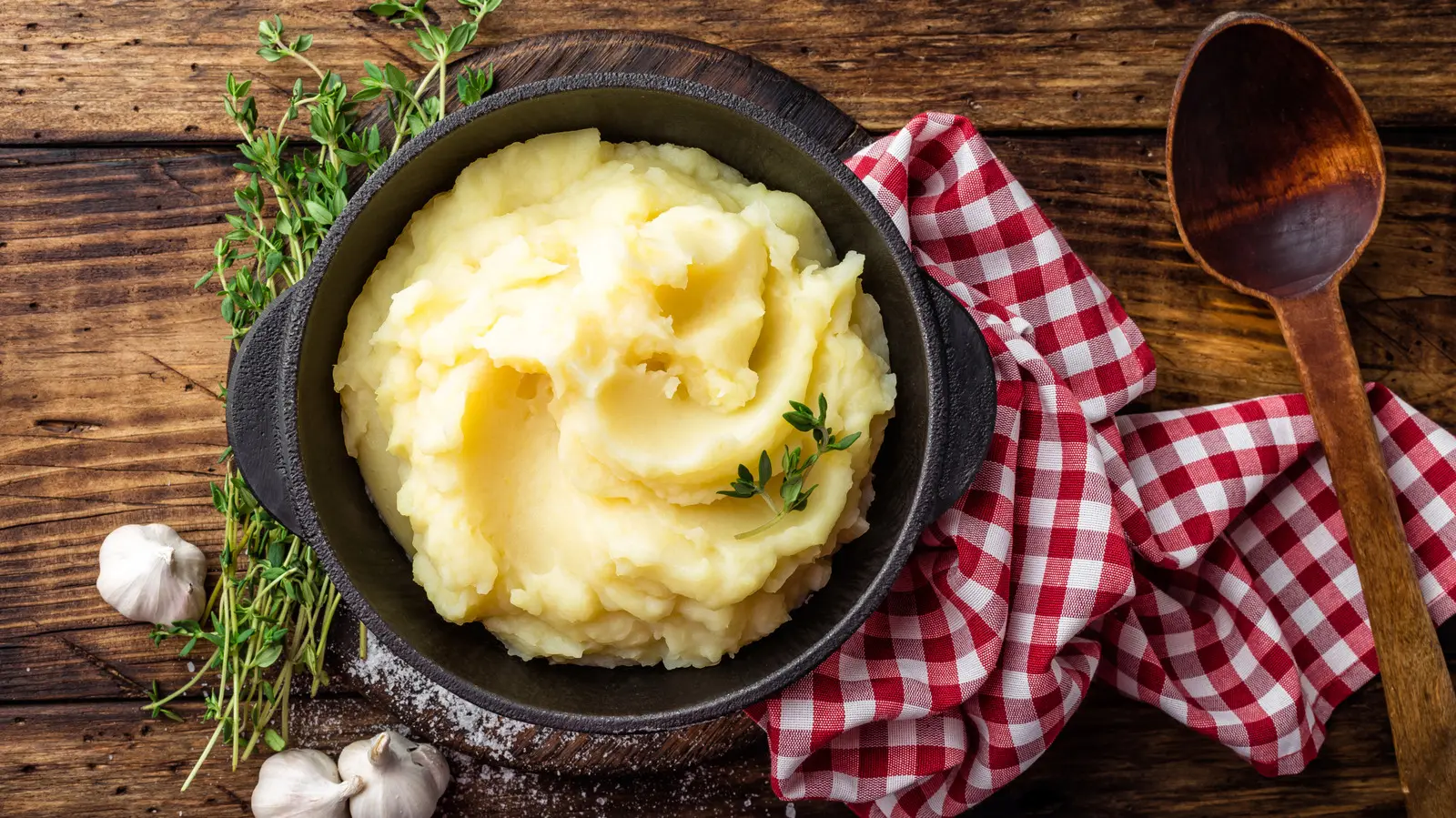
A simple creamy sauce made from butter, flour, milk, and cheese—commonly used for pasta—can transform ordinary mashed potatoes into a rich, velvety side dish. Home cooks are discovering that incorporating this béchamel-based sauce into potato preparations adds depth and creaminess without needing extra butter or cream. The technique, highlighted in recent food trends, offers a practical way to elevate a staple using pantry ingredients. The sauce, known as béchamel, forms when a roux of butter and flour is whisked with warm milk until smooth, then enriched with grated cheese such as cheddar or Gruyère. When folded into hot mashed potatoes, it creates a luxurious texture that resists becoming gluey or lumpy. This method allows for better control over consistency and flavor compared to adding dairy directly.
Latest news
 Moe's Southwest Grill Menu Items Ranked from Worst to Best
 Hot Honey Brussels Sprouts: A Sweet‑Spicy Side That Turns Heads
 Turn Your Pasta Sauce Into a Nutritional Powerhouse
 West Coast IPAs vs East Coast IPAs: A Flavor Battle Across the United States
Chefs note that the starch in potatoes helps stabilize the sauce, preventing separation. Why This Technique Works Better Than Traditional Methods Using béchamel as a base integrates fat and liquid evenly throughout the mash, reducing the risk of overmixing which can lead to gummy potatoes. The cooked flour in the roux also helps bind moisture, keeping the dish creamy even after reheating. Unlike simply stirring in shredded cheese, which can clump, the sauce distributes cheese flavor uniformly. Food scientists explain that the gelatinized starch from the roux complements potato starch, enhancing mouthfeel. How Can Home Cooks Adapt This For Dietary Needs? For those avoiding gluten, a roux made with rice flour or cornstarch works effectively. Plant-based milks and vegan cheeses can substitute dairy without sacrificing texture, though adjustments in thickening time may be needed. Lactose-intolerant individuals can use lactose-free milk and aged cheeses, which contain minimal lactose.
The method remains flexible—herbs like thyme or roasted garlic can be infused into the milk for added complexity. Frequently Asked Questions Can I make the sauce ahead of time? Yes, the béchamel can be prepared up to two days in advance and stored in the refrigerator. Reheat gently over low heat, whisking constantly to prevent skin formation, before folding into warm potatoes. Does this change the nutritional profile significantly? Adding béchamel increases calories and fat slightly due to the butter and milk, but it reduces the need for additional cream or butter in the mash. Protein content rises with cheese inclusion, offering a more balanced side dish. Is this suitable for freezing? Mashed potatoes with béchamel sauce freeze better than those made with dairy alone, as the roux helps prevent water separation upon thawing. Thaw overnight in the fridge and reheat slowly, stirring to restore consistency.
Content written by [email protected] (Amber Sutherland-Namako) for fancy-meals.com editorial team, AI-assisted.