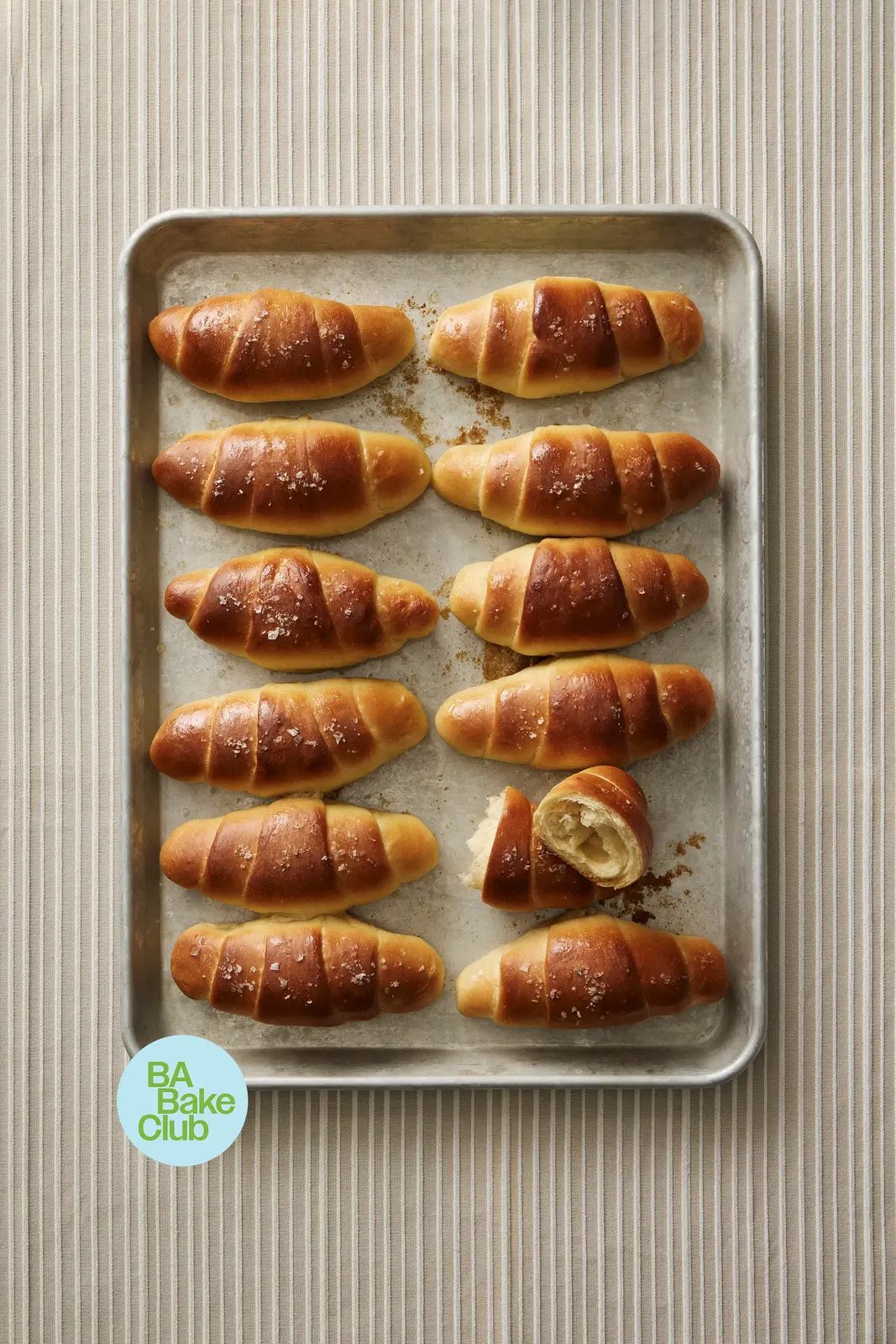
The Ultimate Guide to Baking Japanese Salt Bread at Home
Mastering the Art of the Buttery Roll
Japanese salt bread, widely known as shio pan, has captured the hearts of pastry lovers with its exceptionally crisp exterior and buttery, flaky interior. This popular baked treat combines a light, airy crumb with rich dairy notes, culminating in a delicate crust that shatters with every single bite.
Latest news
 Moe's Southwest Grill Menu Items Ranked from Worst to Best
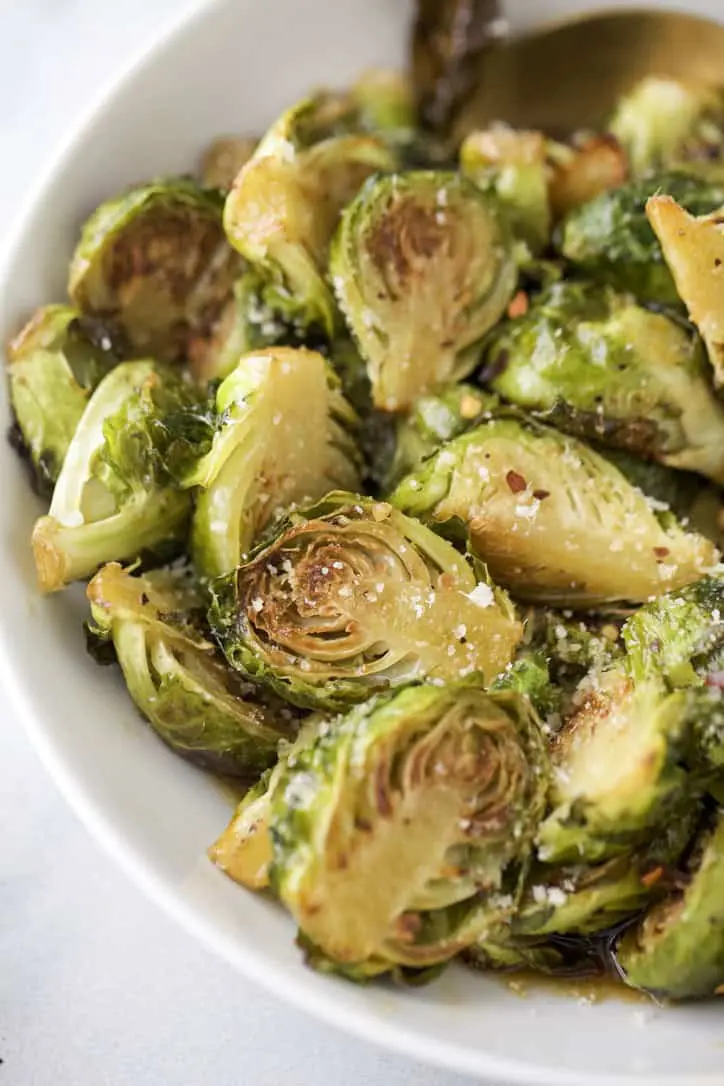 Hot Honey Brussels Sprouts: A Sweet‑Spicy Side That Turns Heads
 Turn Your Pasta Sauce Into a Nutritional Powerhouse
 West Coast IPAs vs East Coast IPAs: A Flavor Battle Across the United States
The secret to achieving the signature texture of shio pan lies in a specialized rolling technique that encases a solid piece of butter right inside the dough. As the bread bakes in a hot oven, the butter melts entirely, frying the bottom of the roll while creating a hollow, tender pocket of steam-infused crumb on the inside. Coarse sea salt sprinkled generously on top before baking provides a sharp, savory contrast to the rich, buttery base underneath.
Creating these golden pastries requires careful attention to temperature and timing during the dough preparation stage. Bakers must ensure the butter pieces remain chilled before wrapping them securely within the yeasted dough triangles.
Why Does This Simple Pastry Evoke Such Strong Emotion?
Rolling the dough tightly from the wide end to the narrow tip guarantees that the melted butter stays trapped inside rather than leaking entirely onto the baking sheet. A moderate proofing period allows the dough to double in size without losing its structural integrity.
The combination of contrasting textures and the unmistakable aroma of warm butter creates a genuinely comforting sensory experience for anyone who tastes it fresh from the oven. Food enthusiasts often praise the minimalist ingredient list, proving that basic flour, yeast, butter, and salt can transform into an extraordinary culinary masterpiece.
Frequently Asked Questions
Baking these rolls at home brings the beloved artisan bakery experience directly into domestic kitchens across the globe. As more home cooks discover the joy of shaping shio pan, this Japanese classic continues to secure its place as a modern baking essential.
What makes shio pan different from standard dinner rolls? Shio pan features a generous core of butter rolled directly into the center and is topped with coarse sea salt. This technique creates a fried, crisp bottom crust and a hollow, flaky interior that regular rolls lack.
Can salted butter be used instead of unsalted butter? Unsalted butter is generally recommended because it allows the baker to control the exact salt content of the dough. The coarse salt sprinkled on top provides all the necessary finishing salinity.
Content written by Hana Asbrink for fancy-meals.com editorial team, AI-assisted.