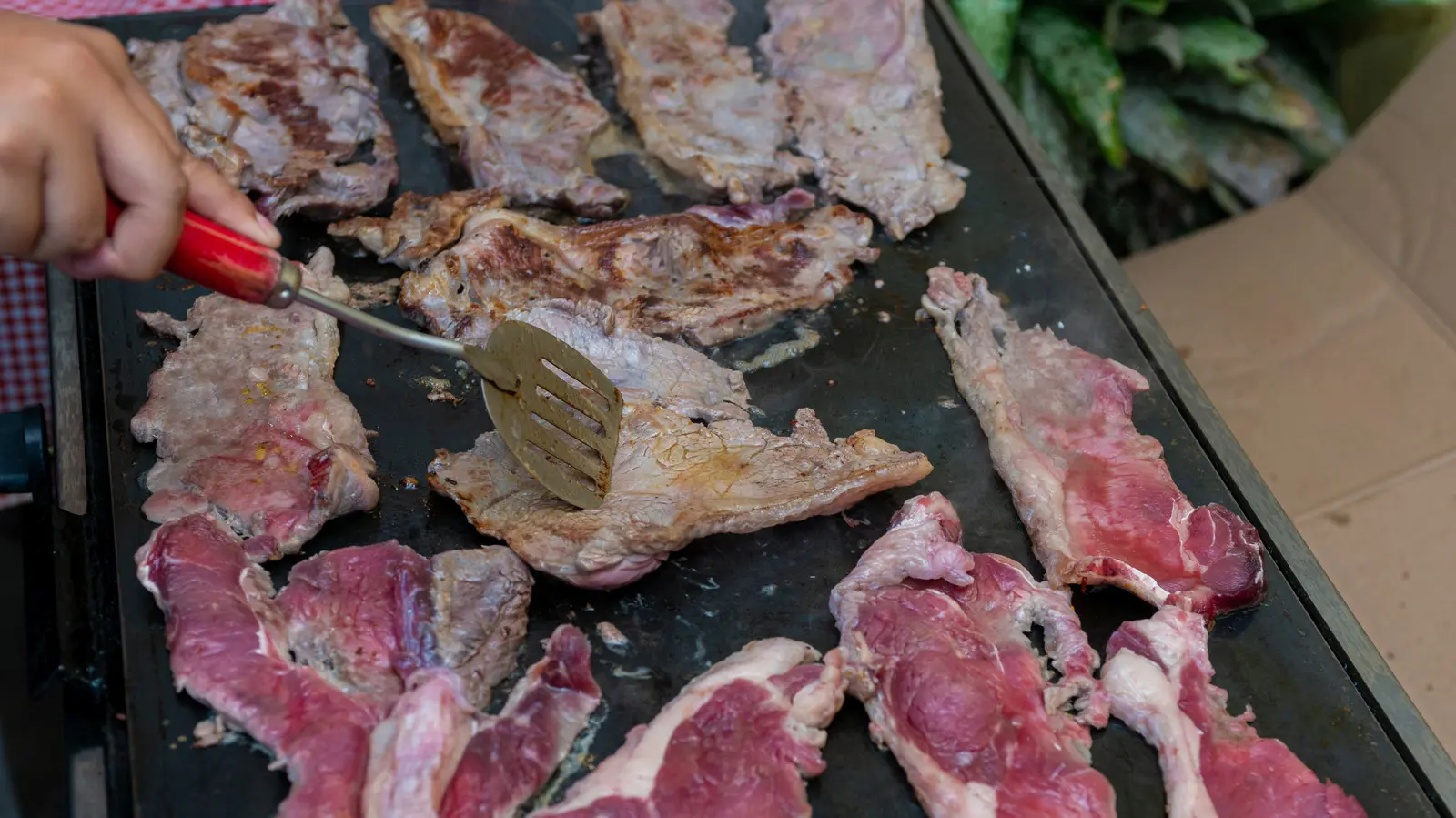
The Cuts Of Meat You Should Never Cook On A Flat-Top Grill
Why Lean Cuts Fare Better on Flat-Top Surfaces
Flat-top grills offer a convenient way to cook a variety of foods, combining the heat of a griddle with the space of a countertop surface. While they excel at searing burgers, cooking pancakes, or stir-frying vegetables, not all meats are suited for this cooking method. Certain cuts can turn out tough, dry, or unevenly cooked due to the grill’s direct, intense heat and lack of airflow.
Latest news
 Moe's Southwest Grill Menu Items Ranked from Worst to Best
 Hot Honey Brussels Sprouts: A Sweet‑Spicy Side That Turns Heads
 Turn Your Pasta Sauce Into a Nutritional Powerhouse
 West Coast IPAs vs East Coast IPAs: A Flavor Battle Across the United States
Thicker, fattier cuts like ribeye steaks, pork shoulders, or lamb shanks benefit from slower, indirect heat that allows fat to render and connective tissue to break down. On a flat-top grill, these cuts often cook too quickly on the outside while remaining underdone inside, or they lose moisture rapidly, resulting in a chewy texture. The absence of a lid or dome also means less control over cooking environment, making it harder to achieve even doneness for larger pieces.
Thinner, leaner meats such as skirt steak, chicken breast, or pork tenderloin medallions are ideal for flat-top grills because they cook quickly and benefit from direct contact with the hot surface. These cuts develop a flavorful crust without overcooking the interior, especially when pressed or weighted for even contact. Marinating or brining beforehand can further enhance tenderness and juiciness, compensating for the lack of slow-cooking benefits.
How Can You Adapt Tougher Cuts for Flat-Top Cooking?
Chefs often recommend using a meat thermometer and adjusting heat zones on the grill to manage doneness, particularly when cooking multiple items at once. Resting meat after cooking remains essential, even on a flat-top, to allow juices to redistribute and prevent a dry final product.
If you prefer using a flat-top grill for tougher cuts, consider pre-cooking them using methods like sous vide or braising to tenderize the meat first. A quick sear on the flat-top then adds flavor and texture without risking undercooking. Alternatively, slicing thick cuts into thinner strips or cubes—such as for fajitas or stir-fries—allows them to cook rapidly and evenly on the hot surface.
Some home cooks also use press lids or foil tents to trap heat and simulate a convection effect, though results vary. Ultimately, matching the cut to the cooking method ensures better outcomes, and understanding the limitations of your equipment helps avoid common pitfalls.
Frequently Asked Questions
Can I cook a thick steak on a flat-top grill? Yes, but only if you sear it quickly and finish it in the oven or use a two-zone setup to avoid burning the exterior before the interior reaches desired doneness.
Is it safe to cook frozen meat on a flat-top grill? It’s not recommended, as frozen meat releases moisture that can cause steaming instead of searing, leading to uneven cooking and potential food safety risks if not heated thoroughly.
Do I need to oil the flat-top grill before cooking meat? Yes, applying a thin layer of high-smoke-point oil helps prevent sticking and promotes better browning, especially for leaner cuts that lack natural fat.
Content written by Lucas Carter for fancy-meals.com editorial team, AI-assisted.